
Blog
Why Australia Punches Above Its Weight in Mobile Gaming and Online Gambling Interest


Australia has roughly 27 million people, sits at the bottom of the world, and shares a time zone with almost no major Western market. By every reasonable measure of scale, it should be a rounding error in the global gaming economy. Instead, Australian mobile gaming spend per capita ranks consistently in the world’s top tier, the country’s online casino market is one of the most mature in the English-speaking world, and Australian players move between casual mobile titles and real-money gaming with a fluidity that surprises operators entering the market for the first time.
The reasons are not random. They sit at the intersection of demographics, infrastructure, regulation, and an embedded cultural relationship with gambling that pre-dates the internet by more than a century. Once those four factors are unpacked, the Australian outperformance starts looking less like a quirk and more like the predictable outcome of conditions that no other English-speaking market shares in quite the same combination.
This same structural maturity is part of why Australian-focused review platforms exist as fully developed verticals rather than afterthoughts. The level of country-specific detail that local readers expect, granular payout rates, RTP comparisons, operator licensing status, and withdrawal speed testing, is the kind of editorial that thinner markets cannot support. Aussie-focused payout breakdowns on sites like Pokertube exist because there is enough informed local demand to make them worth maintaining. That demand profile is itself a market maturity signal that most countries of Australia’s size do not produce.
Mobile Gaming Fits Modern Australian Lifestyles
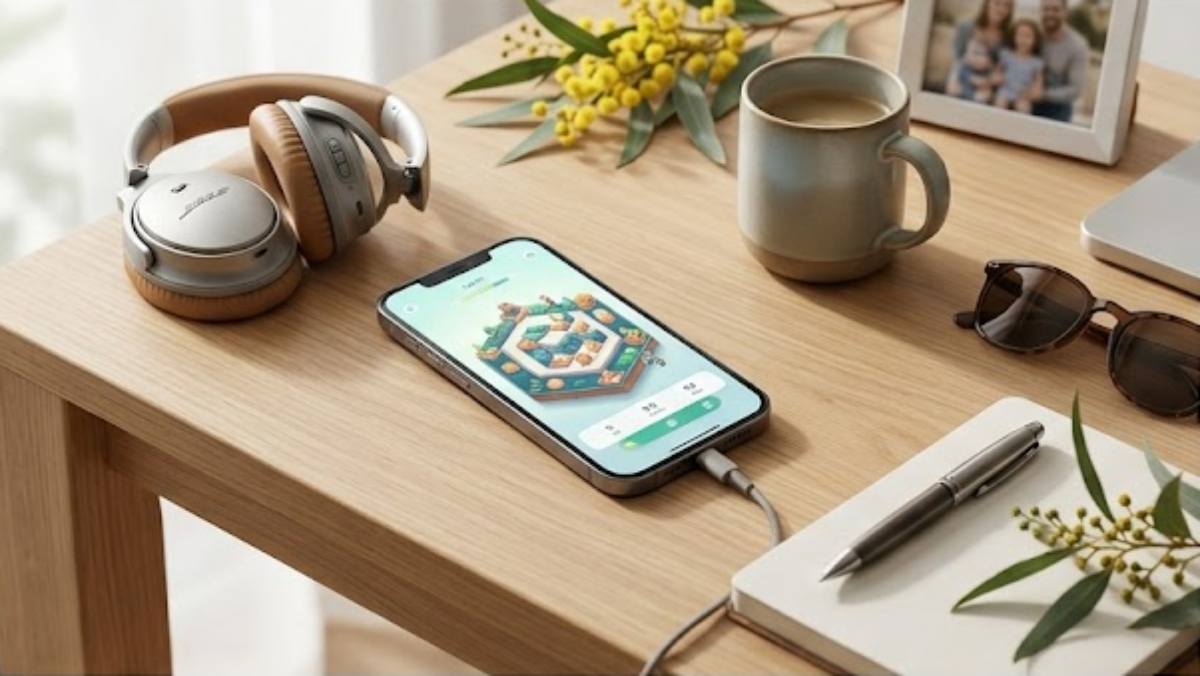
Mobile gaming has become popular in Australia because it fits easily into daily routines. A smartphone allows people to play during short breaks, commutes, waiting periods, or quiet time at home. Players do not need a console, gaming computer, or long gaming sessions to enjoy mobile games.
Many Australian players are adults with jobs, families, and limited free time. This affects the types of games that perform well. Short, flexible, and easy-to-resume games often suit this audience better than games that require long, uninterrupted sessions.
Common Mobile Gaming Preferences
| Player Need | Game Type That Fits |
|---|---|
| Short play sessions | Puzzle games, word games, casual games |
| Relaxation | Match games, idle games, simulation games |
| Flexible progress | Strategy games, building games, save-anywhere games |
| Low pressure | Casual games with simple controls |
| Repeat play | Games with daily goals, levels, and rewards |
This adult-skewed audience helps explain why mobile gaming in Australia is commercially valuable. Players are not only downloading games. Many are also willing to spend on convenience, upgrades, subscriptions, and premium experiences when they see clear value.
Australia Has a Strong Adult Gaming Culture
Gaming in Australia is not limited to children, teenagers, or hobbyist communities. It is a mainstream form of entertainment across many age groups. According to the Interactive Games & Entertainment Association, video games are widely played across Australian households, showing that gaming has become a normal part of everyday entertainment
Many adults use games to relax, connect with others, and take short breaks from daily responsibilities. Adult players often behave differently from younger audiences. They may play for shorter periods, but they can also be more selective and more consistent over time.
Adult players often look for:
- Easy access
- Clear rules
- Smooth mobile design
- Fair pricing
- Familiar gameplay
- Strong privacy and payment protection
This is why poorly designed mobile experiences often struggle. Australian users are used to polished apps, fast payments, and simple navigation. If a game or platform feels confusing, slow, or untrustworthy, many users leave quickly.
Pokies Culture Is a Major Difference
Australia’s relationship with pokies is one of the biggest cultural factors behind its gambling behaviour. Pokies, also known as electronic gaming machines, are common in pubs, clubs, and social venues across many parts of the country.
This history matters because many Australian adults are already familiar with the basic structure of machine-based gambling. Spinning reels, chance-based outcomes, small repeated stakes, and prize variation are not new concepts for many people.
However, familiarity does not mean safety. Gambling can create financial, emotional, and social harm, especially when people lose track of time, chase losses, or treat gambling as a way to solve money problems.
Regulation Shapes the Online Gambling Market
Australia’s online gambling rules are complex. The Interactive Gambling Act 2001 is the main Commonwealth law covering interactive gambling services. Under Australian rules, many online casino-style services are prohibited for providers to offer to people located in Australia.
This is an important point for any article about online casino interest in Australia. There may be demand, discussion, offshore activity, and search interest, but that does not mean every service is legal, licensed, safe, or allowed to target Australian users.
Why Regulation Matters for Users
| Area | Why It Matters |
|---|---|
| Licensing | Helps identify whether a service is legally allowed |
| Consumer protection | Reduces risk of unfair treatment |
| Payment safety | Protects users from unreliable transactions |
| Responsible gambling tools | Helps limit harmful behaviour |
| Enforcement | Targets illegal offshore services |
Regulation affects what services can operate, how users are protected, and how illegal offshore platforms may be restricted. This makes legal awareness especially important for users, publishers, and businesses discussing the Australian market.
Mobile Expectations Influence Gambling-Related Products
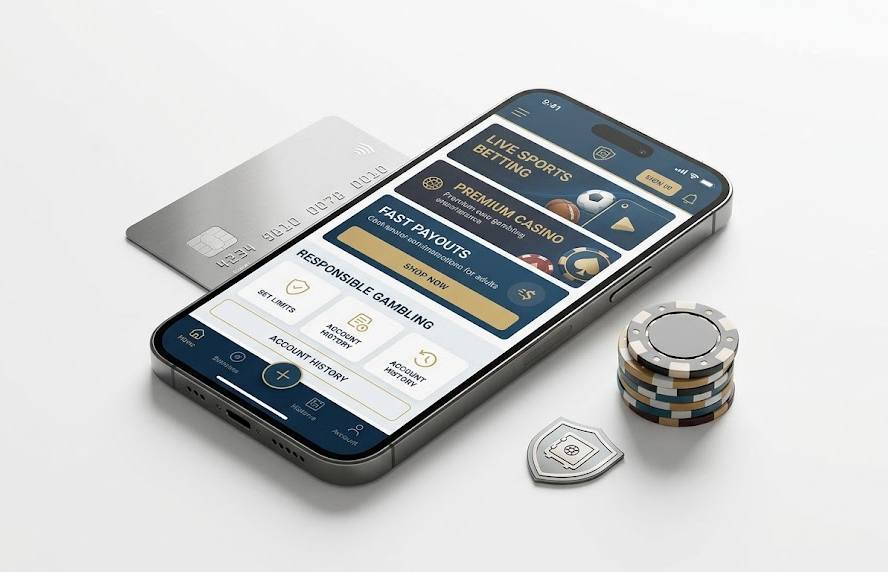
Australian mobile users expect fast, clean, and simple digital experiences. This expectation comes from years of using mobile banking, shopping apps, food delivery platforms, games, and entertainment apps.
Any gambling-related product that targets adults must meet similar expectations around speed, clarity, payment security, and responsible-use features. A slow or confusing mobile interface is a major weakness because users are already familiar with better-designed digital products.
Payment habits also play a role. Australia has developed strong digital payment systems, and many users expect fast transactions, clear payment confirmation, and secure account handling.
Spending Is High but Not Evenly Spread
Australia is often discussed as a high-value market because spending can be strong among engaged players. However, spending is not evenly distributed across all users.
In both mobile gaming and gambling, a smaller group of highly engaged adults often accounts for a large share of revenue. Many casual users may play free games or spend very little, while a smaller number of users spend more frequently.
This creates both business opportunities and public health concerns. For game companies, it can make Australia attractive. For regulators and health researchers, it raises questions about harm prevention, spending limits, and responsible design.
Key User Behaviour Patterns
| Behaviour | What It Suggests |
|---|---|
| Frequent short sessions | Mobile entertainment fits daily routines |
| Preference for polished apps | Users expect strong design and fast loading |
| Familiarity with pokies | Gambling concepts are already known to many adults |
| High spending by a smaller group | Revenue may depend on highly engaged users |
| Strong concern around safety | Licensing and regulation are important |
Why Australia Performs Above Its Size
Australia’s strength in mobile gaming and gambling-related interest comes from several overlapping factors.
First, gaming is mainstream. A large share of households have gaming devices, and many adults play regularly. Second, smartphones are central to daily life, making mobile entertainment easy to access. Third, pokies culture has made chance-based gaming familiar to many adults. Fourth, payment systems and digital habits support fast mobile transactions. Fifth, regulation has created a strong focus on licensing, consumer protection, and enforcement.
Together, these factors make Australia more influential than its population size alone would suggest. It is not just a small market with active users. It is a mature digital entertainment market with specific habits, expectations, and risks.
Final Conclusion
Australia’s strong performance in mobile gaming and online gambling interest is not a coincidence. It comes from a mix of high gaming participation, adult player engagement, mobile-first habits, familiar gambling culture, and advanced digital payment behaviour.
At the same time, online gambling in Australia must be discussed carefully. Many online casino-style services are prohibited for providers to offer to people in Australia, and gambling can cause real harm when it is not controlled.
The most useful way to understand the Australian market is not to treat it as simply small but profitable. It should be seen as a mature digital entertainment market shaped by culture, regulation, technology, and consumer expectations.
For readers, the main lesson is simple: Australia’s gaming behaviour is powerful because it is deeply embedded in everyday life. But when gambling is involved, legality, age restrictions, safety, and responsible behaviour must always come first.
Disclaimer
This article is for general informational and educational purposes only. It does not promote gambling, recommend gambling websites, provide legal advice, or encourage readers to use online casino services. Gambling laws vary by location and can change over time. In Australia, many online casino-style services are prohibited for providers to offer to people located in the country.
Gambling is restricted to adults and can be harmful. Anyone who feels gambling is affecting their wellbeing, money, studies, work, or relationships should seek help from a trusted support service or qualified professional.