
Blog
Tap, Play, Repeat: How Mobile-First Platforms Borrow from Instant Browser Gaming Design

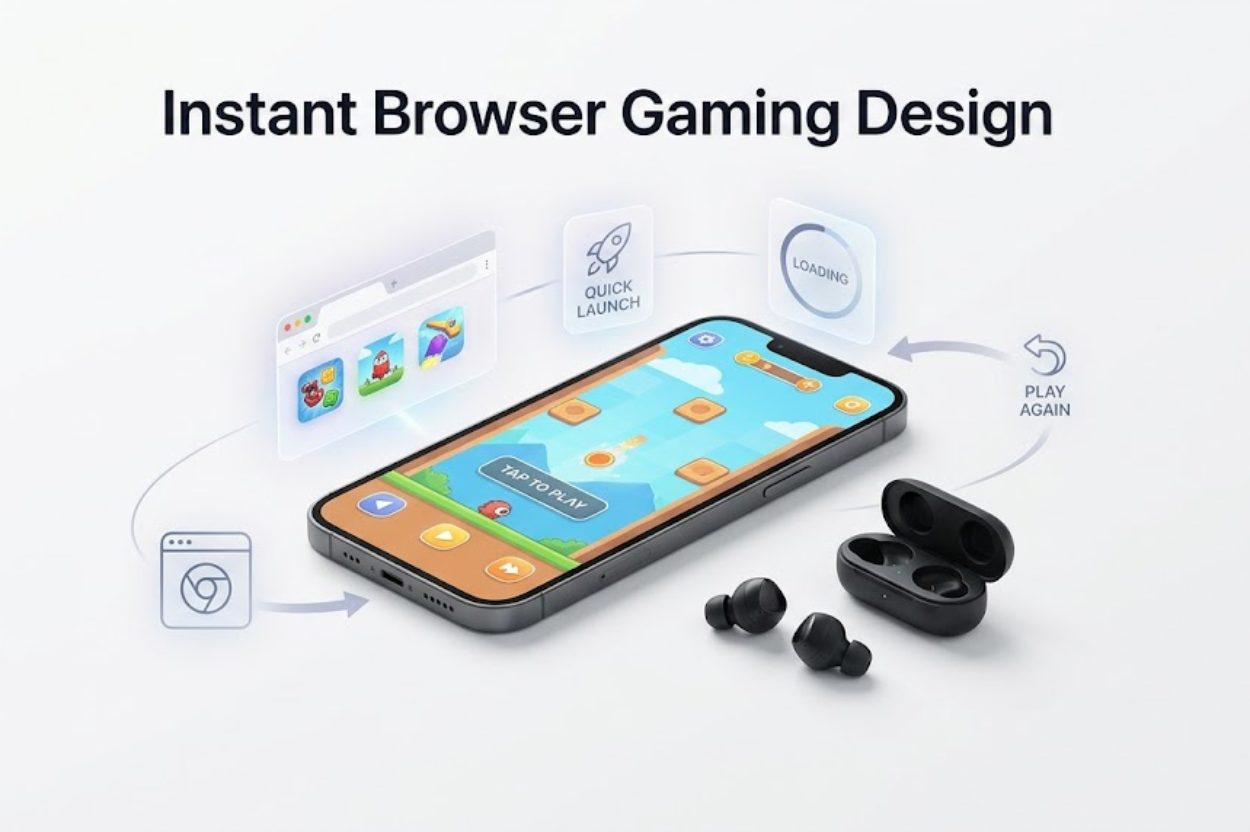
There’s something oddly satisfying about tapping a screen and being instantly rewarded. No loading screens, no tutorials stretching into eternity, just action. That philosophy, once native to browser games squeezed into tiny tabs, has quietly become the backbone of modern mobile-first platforms. Social apps, fintech tools, even productivity software now feel less like utilities and more like games you can’t quite stop playing. Change came slowly. Yet out of nowhere, when HTML5 gaming grew alongside phone obsession, a look took shape – smooth, instant, somehow pulling you in. Now these same phones quietly steal back what they once gave.
Rise of instant play mechanics
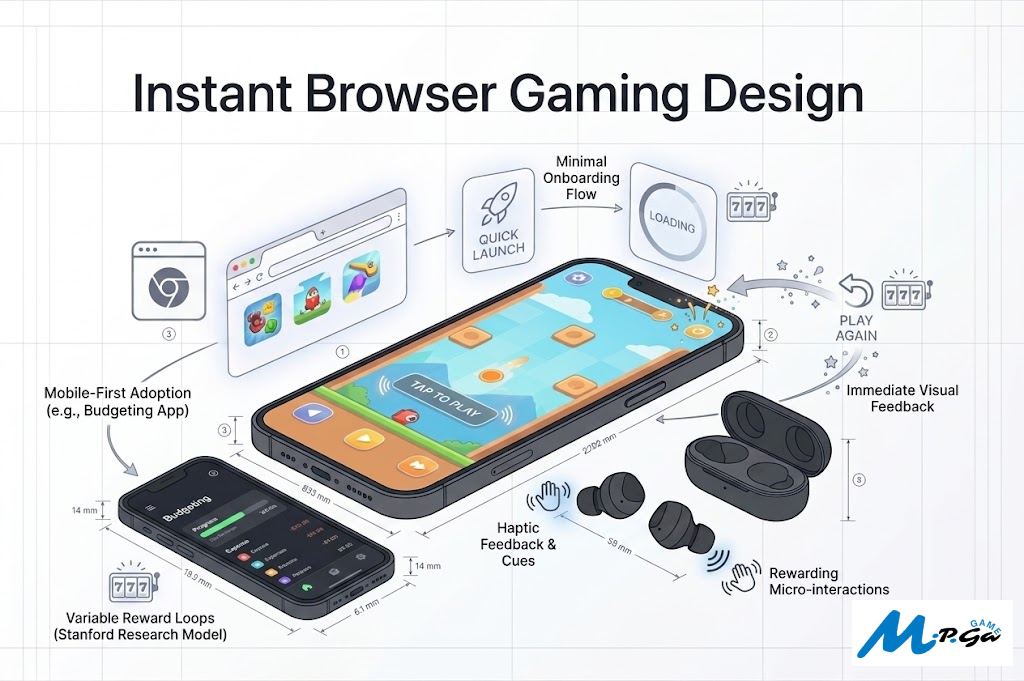
Browser games had a constraint: users were impatient. Most people leave a site on their phone if it takes more than 3 seconds to load – Google found that about half will bail. Way back, creators of old video games already knew slow meant loss. So they adapted:
- No downloads
- Minimal onboarding
- Immediate feedback loops
Mobile-first platforms took note. Open a modern app, say, a budgeting tool or a fitness tracker, and notice how quickly it responds. Tap, swipe, done. That’s not accidental. It’s borrowed. Those tiny animations when you complete a task? The subtle vibration after an action? These are not just design flourishes. They echo the reward systems of casual browser games, where every click has to feel meaningful. Interestingly, behavioral research from Stanford suggests that variable-reward systems, similar to slot mechanics, significantly increase user engagement. Mobile apps have quietly integrated this: notifications, badges, streaks. Come to think of it, even checking email now feels a bit like pulling a lever.
Speed as a competitive advantage
Browser games lived and died by performance. A delay meant abandonment. That mindset carried over into mobile design, where speed is now a defining metric. Google’s Core Web Vitals emphasize Largest Contentful Paint under 2.5 seconds and First Input Delay under 100 milliseconds. Mobile-first platforms chase these numbers aggressively. Even complex services and streaming now feel instantaneous. Not because they are simple, but because they are engineered to feel simple. The betting 1xbet app, for example, demonstrates how high-speed interaction design can coexist with feature-rich environments. Users do not wait; they act. Here is a lesser-known detail: many browser games were designed to function with unstable connections. That constraint led to clever caching and local processing. Mobile apps adopted this, too. Offline modes, background syncing, predictive loading, it is all part of the same philosophy. Because users do not care about your server architecture, they care about whether the app works right now.
Minimalism as a strategy, not a style
Browser games had to operate in a limited space. That constraint forced clarity. Buttons were obvious. Actions were intuitive. No one had time to figure things out. Mobile platforms inherited this discipline. Today’s best apps strip away excess:
- Single-purpose screens
- Clear call-to-action buttons
- Gesture-based navigation
It’s not just aesthetic minimalism, it’s cognitive efficiency. The idea is simple: if users hesitate, they leave. Minimal interfaces also reduce friction between intention and action. That gap, tiny as it seems, is where users drop off. A 2023 UX report by Nielsen Norman Group found that reducing interaction steps by even one click can improve task completion rates by up to 15%. That’s significant. So apps streamline. They anticipate. They remove decisions. And suddenly, users keep tapping.
Gamification without saying game
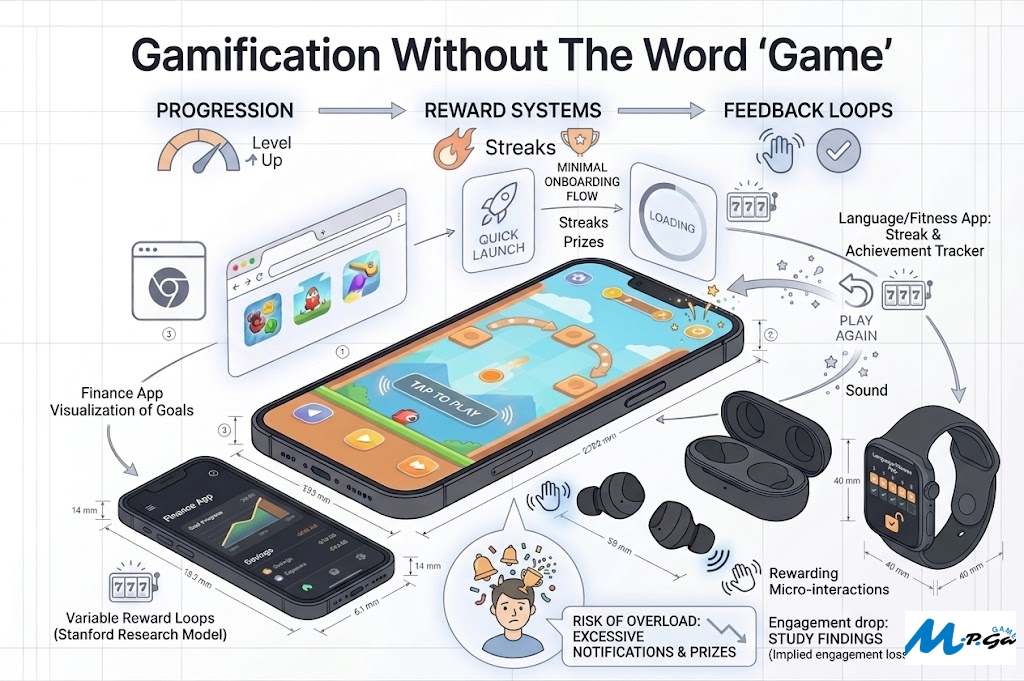
Not every platform wants to look like a game. But many behave like one. Consider:
- Language apps reward daily streaks
- Fitness apps unlocking achievements
- Finance apps visualizing savings goals
These elements mirror browser game mechanics, progression, reward, and feedback, without the overt branding. Something could go wrong. Overloaded with alerts, flooded with prizes, people switch off. One study by App Annie in 2024 found that nearly 3 in 10 people quit an app due to constant pings. Balance matters. Creators must hold attention without drowning it. Just enough spark – never let it turn into static. Balance can be fragile. Mistakes happen now and then.
The Future: invisible design
Hidden inside every click is a chance to do less. Voice talks for you while smart systems guess what comes next, yet gestures wave aside old ways. Not taps anymore – something smoother slips in. Real changes creep into phones now, adjusting before you ask. The goal stays flat: fewer steps, faster results. Inside the system, things shift when you move. Interfaces catch your habits over time. Needs get met before you ask. This isn’t gaming – it’s living within something that moves with you. The line blurs, not by force, but because it follows. Strange, but effective.
Conclusion
What began as a necessity for lightweight browser games, speed, simplicity, and instant gratification has evolved into a blueprint for mobile-first design. The influence is everywhere, though often invisible. Tap a button, get a response, feel a small spark of satisfaction, and repeat. Perhaps that’s exactly what matters. Instead of copying games, take a bit of how they work to help common online tasks feel easier, quicker, and still pull you in without noise. When an interface slips by unnoticed, people keep going. They keep tapping.
Disclaimer
This article is intended for informational and educational purposes only. It does not constitute professional advice in areas such as software development, user experience (UX) design, behavioral psychology, or business strategy. While efforts have been made to ensure accuracy, trends in mobile technology and digital design evolve rapidly. Readers should consult qualified professionals or conduct further research before making decisions based on the concepts discussed. Any mention of platforms or applications is for illustrative purposes only and does not constitute endorsement.
References
- Google. (2018). The Need for Mobile Speed: How Mobile Latency Impacts Publisher Revenue.
- Stanford University. (n.d.). Behavioral Design Lab Research on Habit Formation and Reward Systems.
- Nielsen Norman Group. (2023). User Experience Improvements and Task Completion Rates.
- App Annie (now part of data.ai). (2024). State of Mobile User Behavior Report.
- World Wide Web Consortium (W3C). (n.d.). Web Performance and Core Web Vitals Guidelines.
- Human–Computer Interaction literature on gamification, cognitive load theory, and interaction design principles.