
Blog
Features That Keep Online Games Engaging for Players


Online games continue attracting millions of players because they offer experiences that evolve. Strong gameplay alone is no longer enough to captivate attention. Players now expect interaction, variety, personalization, and consistent updates that keep each session interesting.
The most engaging games understand how to balance challenge with accessibility. They create systems that reward participation while encouraging players to explore new features regularly. Whether someone prefers competitive play, cooperative experiences, or casual entertainment, the best online games provide reasons to return without feeling repetitive.
Modern online gaming also focuses heavily on player experience. Smooth performance, community features, and meaningful progression all contribute to long-term engagement. Games that successfully combine these elements tend to build loyal player communities that remain active long after release.
Progress Systems Give Players Clear Goals
Progression is one of the most important features in online games because it creates a sense of achievement. Players enjoy seeing visible improvement after each session, whether through unlocking new content, reaching higher ranks, or completing objectives. Structured progress gives gameplay direction and keeps players motivated.
Games that include layered progression systems often maintain stronger engagement. Instead of relying on a single reward path, they provide multiple goals that appeal to different play styles. Some players focus on rankings, while others enjoy collecting cosmetic items or completing challenges.
Effective progression systems often include:
- Experience levels that unlock new content,
- Achievement systems tied to gameplay milestones,
- Seasonal objectives that refresh regularly,
- Personalized statistics and profile tracking.
Well-designed progression systems create momentum. Players feel encouraged to continue because each session contributes to visible advancement rather than feeling disconnected or repetitive.
Social Interaction Strengthens Player Retention

Online games are often more engaging when they create opportunities for interaction. Multiplayer features transform gaming into a shared experience rather than an isolated activity. Communication, teamwork, and competition all contribute to stronger long-term engagement.
Many games now include integrated voice chat, friend systems, group activities, and community spaces. These features allow players to build relationships and create routines around shared gameplay. Players frequently return not only for the game itself but also for the social environment attached to it.
Competitive systems also help maintain attention. Ranked matches, leaderboards, and tournaments give players measurable goals while adding excitement to regular gameplay sessions. Friendly rivalry creates motivation without requiring constant changes to core mechanics.
This level of interaction also extends to online casinos. Platforms featuring the best online casino games allow players to engage with live lobbies, real-time gameplay environments, and community-driven experiences that focus on immersion and participation rather than isolated play.
Regular Updates Keep Games Feeling Fresh
Players lose interest quickly when games remain unchanged for long periods. Successful online games avoid this by introducing consistent updates that refresh gameplay and maintain curiosity. New content gives players reasons to return and prevents the content from becoming repetitive and boring.
Seasonal events are especially effective because they create variety and urgency. Limited-time activities, themed environments, and rotating objectives make games feel active and current. Players often anticipate these updates because they introduce different experiences throughout the year.
Smaller improvements can also have a major impact. Updates to gameplay balance, interface design, and matchmaking systems show players that the game is continuing to improve over time. Even minor changes help maintain interest by improving the overall experience.
Common update strategies include:
- New maps, modes, or playable content,
- Temporary seasonal events and challenges,
- Additional customization options,
- Gameplay refinements and quality improvements.
Games that evolve consistently feel more dynamic. Players are more likely to remain engaged when they see ongoing support rather than a static experience that rarely changes after launch.
Smooth Gameplay Improves Long-Term Engagement
Strong technical performance plays a major role in keeping players invested. Games that feel responsive and intuitive are easier to enjoy over long periods. Delays, confusing interfaces, or inconsistent mechanics quickly reduce immersion and interrupt gameplay flow.
Responsive controls are especially important in online environments where timing and accuracy matter. Players expect actions to feel immediate and reliable. Smooth navigation, fast matchmaking, and stable servers also contribute to a more satisfying experience overall.
Visual clarity is another important factor. Clear menus, readable objectives, and simple navigation reduce frustration and help players stay focused on gameplay. Strong interface design often goes unnoticed because it allows players to interact naturally without confusion.
When gameplay feels polished and effortless, players spend less time dealing with technical distractions and more time enjoying the experience itself. That consistency plays a major role in long-term retention.
Variety Prevents Gameplay From Becoming Repetitive
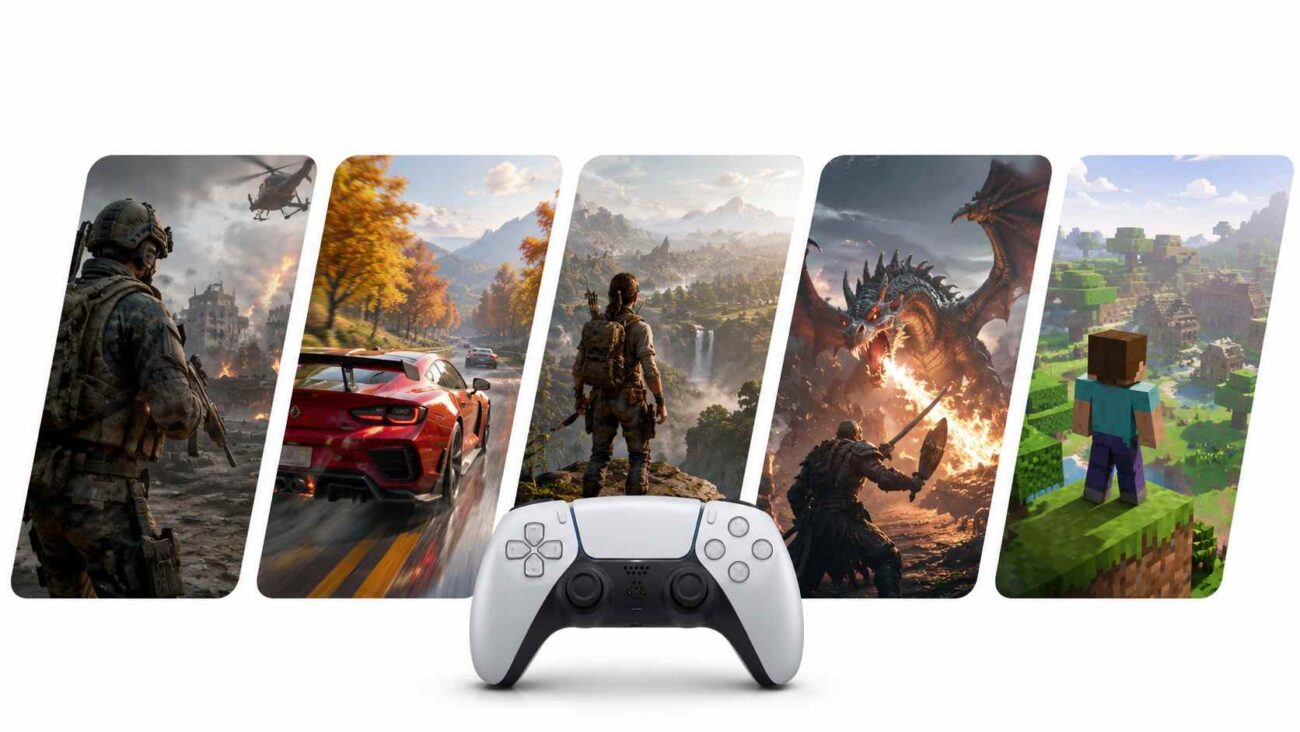
Variety is essential for maintaining player interest over time. Even strong gameplay mechanics can become repetitive if players repeatedly complete the same activities without meaningful differences. Online games that offer multiple experiences tend to maintain engagement more effectively.
Many successful games include different gameplay styles within a single environment. Players may alternate between cooperative missions, competitive matches, exploration, creative building, or strategic challenges depending on their preferences. This flexibility allows the experience to remain fresh across longer periods.
Dynamic events also increase replay value. Randomized objectives, rotating activities, and changing environments create unpredictability that encourages players to continue exploring. Sessions feel less repetitive because outcomes vary naturally over time.
Reward variety is equally important. Different progression paths allow players to focus on the aspects they enjoy most. Some players prefer achievement hunting, while others enjoy customization, exploration, or competitive ranking systems.
Games that balance consistency with variety create stronger long-term engagement. Players appreciate experiences that continue offering new goals and activities without becoming overwhelming or difficult to follow.
Why Certain Online Games Keep Players Returning
The most engaging online games succeed because they combine several important features into one cohesive experience. Strong progression systems create motivation, social tools encourage connection, and regular updates prevent gameplay from becoming stale. Smooth technical performance and varied activities further strengthen long-term engagement.
Players remain invested when games consistently provide meaningful interaction and rewarding experiences. The strongest titles are not always the most complex. They are often the games that balance accessibility, personalization, challenge, and ongoing variety in ways that feel natural and enjoyable.
As online gaming continues evolving, the core principles of engagement remain consistent. Players continue returning to experiences that feel dynamic, interactive, and rewarding every time they log in.
Final Conclusion
Online games keep players engaged when they offer more than simple entertainment. The strongest games give players clear goals, rewarding progress, smooth performance, fresh content, and meaningful ways to interact with others. These features work together to make each session feel enjoyable, purposeful, and different from the last.
A game does not need to be overly complex to hold attention. What matters most is balance. Players are more likely to return when a game feels easy to access, fair to play, rewarding to improve in, and fresh enough to avoid repetition. Whether through progression systems, social features, regular updates, or varied gameplay, successful online games create experiences that feel active, personal, and worth revisiting.
Disclaimer
This article is for general informational and educational purposes only. It discusses online game design, player engagement, and entertainment features in a broad way. It should not be taken as professional advice, financial advice, gambling advice, or encouragement to spend money on games.
Some online games may include purchases, competitive systems, age restrictions, or gambling-related features. Players should always follow local laws, platform rules, age requirements, and safe gaming practices. Young players should use age-appropriate games and play with guidance from parents or guardians where needed.
References
- Przybylski, A. K., Rigby, C. S., & Ryan, R. M. (2010). A motivational model of video game engagement. Review of General Psychology, 14(2), 154–166. DOI: 10.1037/a0019440. This study explains how competence, autonomy, and relatedness can influence video game engagement.
- Hsu, C. L., & Lu, H. P. (2004). Why do people play online games? An extended TAM with social influences and flow experience. Information & Management, 41(7), 853–868. DOI: 10.1016/j.im.2003.08.014. This paper connects online game use with social influence and flow experience.
- Sweetser, P., & Wyeth, P. (2005). GameFlow: A model for evaluating player enjoyment in games. Computers in Entertainment, 3(3), 1–24. DOI: 10.1145/1077246.1077253. This model identifies enjoyment factors such as concentration, challenge, control, feedback, immersion, and social interaction.
- Cowley, B., Charles, D., Black, M., & Hickey, R. (2008). Toward an understanding of flow in video games. Computers in Entertainment, 6(2), 1–27. DOI: 10.1145/1371216.1371223. This research discusses how flow relates to learning, enjoyment, and gameplay experience.
- Tseng, F. C., Huang, H. C., & Teng, C. I. (2015). How do online game communities retain gamers? Social presence and social capital perspectives. Journal of Computer-Mediated Communication, 20(6), 601–614. DOI: 10.1111/jcc4.12141. This study explains how social networks and community features can support player retention.