
Blog
How Online Competition Is Changing Due to Live-Interaction Games

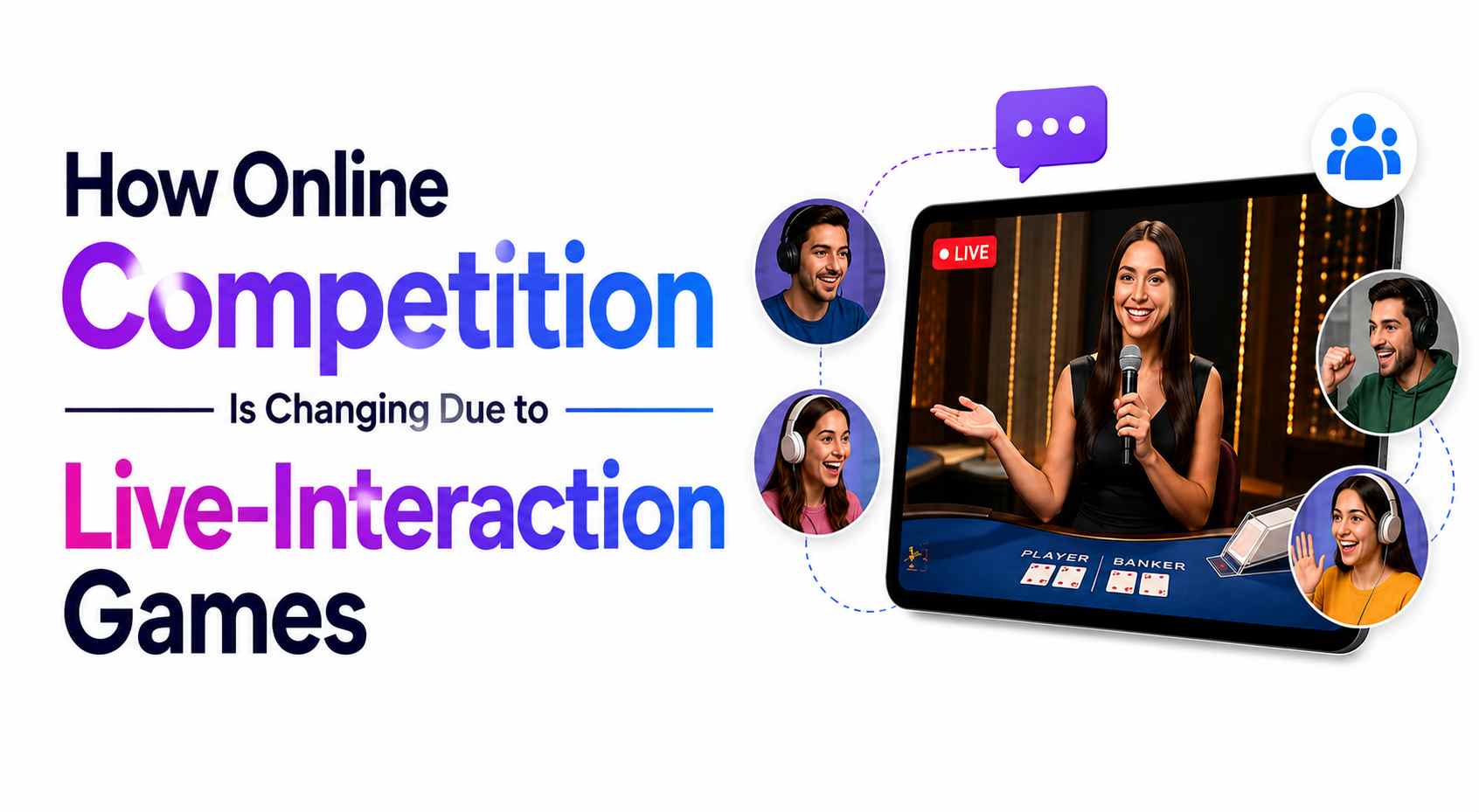
When developers figured out how to make screens feel more like windows and less like barriers, something changed in the gaming industry. The way we compete online will never be the same because live-interaction games have transitioned from novelty to mainstream.
Once you experience it, the appeal becomes clear. On the other side are actual people. Instantaneous responses. Real unpredictability that is impossible for algorithms to imitate. This evolution is like moving from black-and-white television to full color for players who grew up with static interfaces and AI opponents.
Why Static Gaming Started Feeling Stale
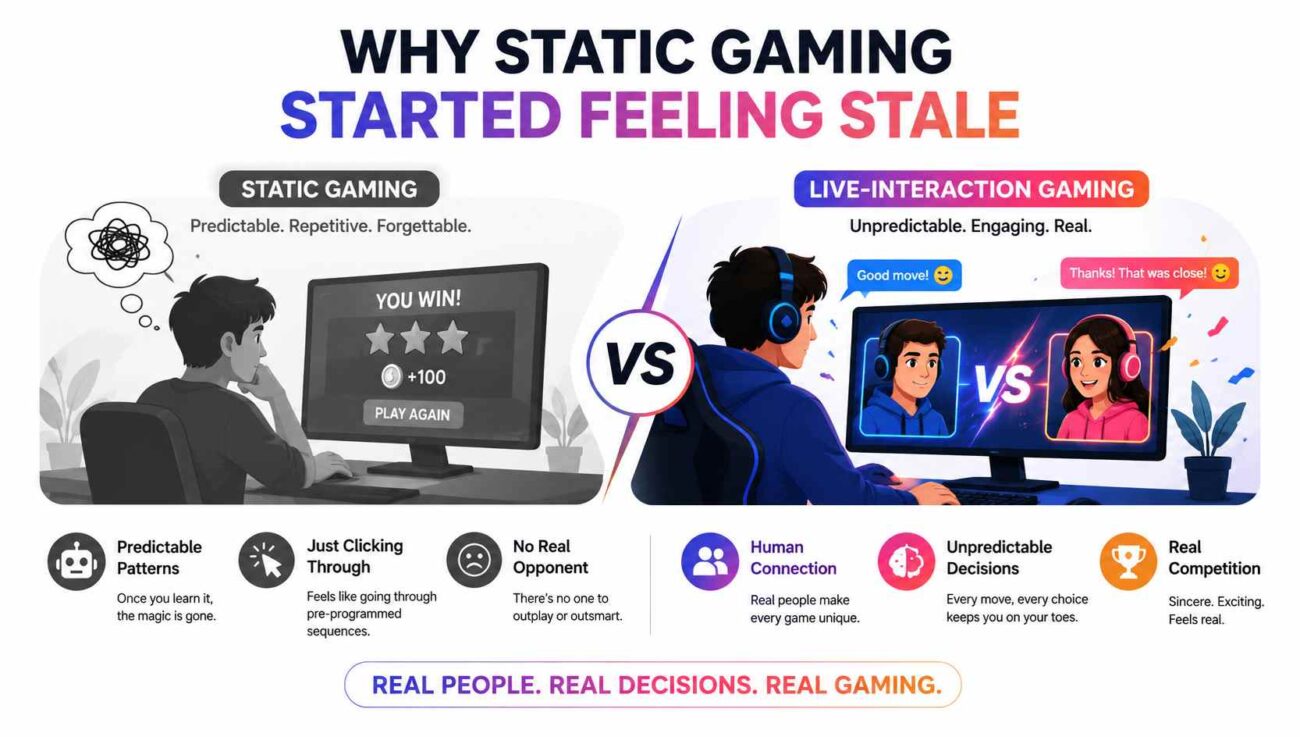
Traditional online games were helpful for a long time. Click buttons, watch animations, and receive outcomes. The formula worked because there was nothing better. However, since humans are social beings, playing against software eventually seems pointless.
The problem with experiences that are purely algorithmic is predictability. Once you understand the patterns, the magic disappears. Instead of feeling like you are competing, you start to feel like you are just clicking through pre-programmed sequences. The excitement diminishes because there isn’t a real opponent to outplay or outsmart.
Live-interaction gaming, which revives human interaction, solves this. When someone sits across from you, even if it’s just virtually, the dynamic completely changes. Their decisions are unpredictable. Their answers are genuine. It feels real because the competition is sincere.
Technology That Enabled It
A few years ago, it was hard and expensive to stream live gameplay with little lag. Most platforms couldn’t handle live-interaction gaming because of problems with bandwidth, processing power, and the cost of building the necessary infrastructure.
That changed very quickly. Improved streaming technology, faster internet connections, and smarter compression algorithms made latency so low that it was almost impossible to notice. Things that used to need special equipment now work perfectly on regular devices.
Smooth live experiences that feel instantaneous rather than delayed are the result. The reaction takes place instantly when you make a move. The back and forth is organic. The experience is all that remains after the technology fades into the background.
What Distinguishes Live Competition
The psychological elements of playing against live opponents are unmatched by static games. You read reactions. Hesitancy is evident. You can determine whether a person is certain or uncertain about how they make decisions.
Because of this social component, gaming is no longer merely a solitary activity but rather genuinely interactive. Even though you are physically separated from the other participants, you still feel a connection to them. The tension and excitement that come from a shared experience are absent from isolated gaming.
Many platforms now let users play live casino games with real hosts who supervise the action and interact with players during sessions. The uniqueness and vitality of the hosts cannot be replicated by software. They keep the pace lively, foster an atmosphere that feels more like an event than a transaction, and join you in celebrating successes. This human presence turns the entire experience from mechanical to unforgettable.
Chat features add another dimension. Players engage with one another during sessions, sharing their emotions and forming fleeting communities based on shared experiences. Strangers who are equally excited and uncertain become friends for the duration of the game.
Revolution in Social Gaming
The larger social gaming movement is a perfect fit for live-interaction gaming. Experiences that players can enjoy, talk about, and share with others are becoming more and more popular. While there is still room for solo gaming, the social aspects are what draw players in.
This change was amplified by streaming culture. It became enjoyable to watch other people play, and it made sense to join in. The distinction between a player and an audience is blurred in live-interaction games, resulting in hybrid experiences where everyone adds to the excitement.
Communities develop around particular platforms, hosts, and games. Frequent players are familiar with one another. Inside jokes emerge. The social connections it fosters take precedence over the gaming itself. The community is just as important to many competitors as the competition itself.
Why This Trend Will Keep Growing
Live-interaction gaming is still growing, according to a number of indicators. As technology advances, experiences become more seamless. Audiences are still calling for more social options. In order to satisfy those demands, platforms are constantly developing new concepts.
Another significant factor is the generational shift. Younger gamers grew up with real-time social media, live streaming, and video calls. They expect interaction as a standard feature, for audiences accustomed to constant connection, static, isolated experiences seem archaic.
Reach is further increased by mobile optimization. These days, live-interaction games can be played on phones and tablets in addition to desktop computers. The flexibility eliminates obstacles that hindered involvement in the past.
Finding Your Entry Point
The best course of action for gamers who are interested in live-interaction gaming is to give it a try. Before delving deeper, the majority of platforms provide low-commitment ways to experience the format. To grasp the flow, watch a few sessions. Take part informally to experience the difference.
The variety keeps growing. The energies of various hosts vary. Different games have different dynamics. Part of the fun is figuring out where you fit into the larger category.
What This Means for Gaming Overall
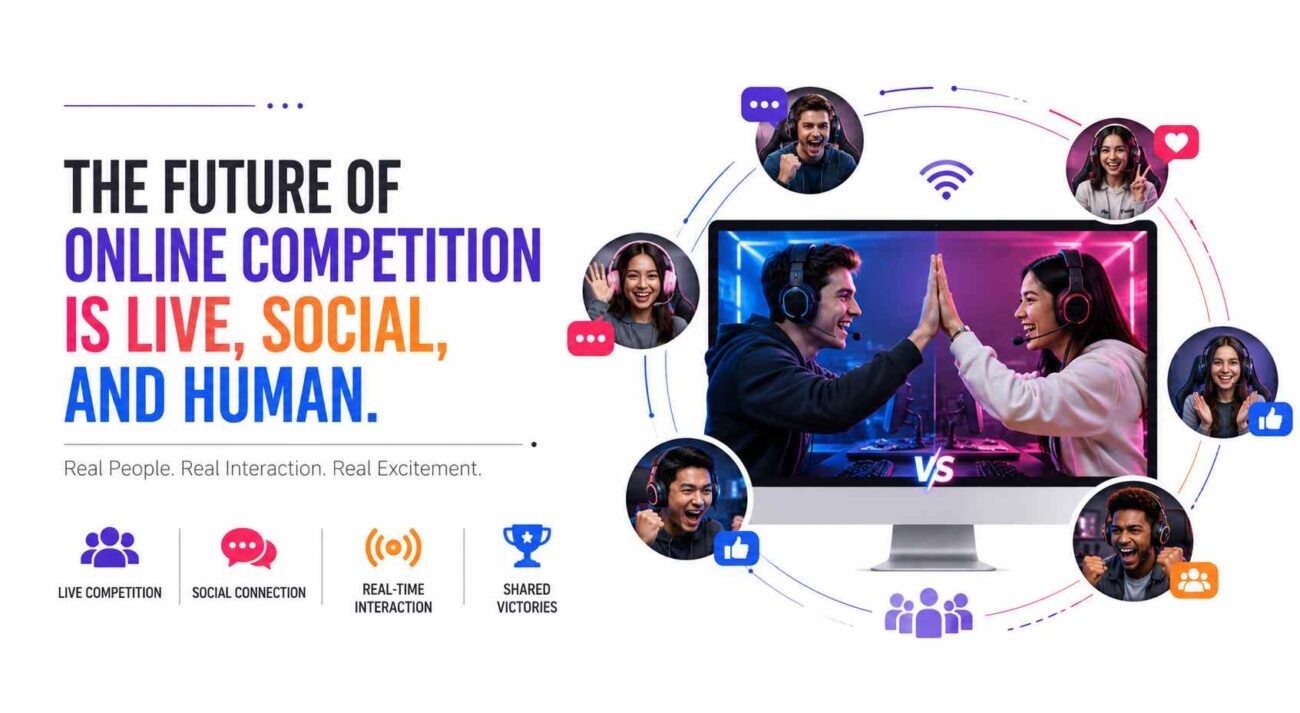
Our understanding of online competition has fundamentally changed as a result of live interaction. Instead of acting as a barrier, the screen becomes a gathering place. Instead of being isolated, the experience becomes shared. Instead of being algorithmic, the competition becomes human.
This evolution will impact all categories of game design. Developers are discovering that live elements and social features boost engagement. Even in genres that have historically functioned differently, expect more games to integrate real-time interaction.
The communities that develop around this change will be shaped by the players who adopt it early. Participating in that evolution is rewarding in and of itself.
The future of online competition is live, social, and human.
Why Trust and Safety Matter in Live-Interaction Games
As live-interaction games become more popular, platforms also need stronger safety systems. Real-time chat, live hosts, and social features can make games feel more exciting, but they can also create risks if moderation is weak. Clear rules, age checks, responsible-use tools, and active chat monitoring help protect players and keep the environment fair.
Good platforms should focus on safe interaction, transparent terms, secure payments, and privacy protection. Players should also understand the rules before joining any live session, especially where money, rewards, or age-restricted content may be involved.
Final Conclusion
Live-interaction games are changing online competition by making digital play feel more human, social, and unpredictable. Instead of simply clicking through fixed systems, players now experience real-time reactions, shared tension, and community-driven entertainment. This shift shows that the future of online gaming is not only about better graphics or faster devices. It is also about connection, trust, and meaningful interaction.
As technology continues to improve, live gaming will likely become even smoother and more accessible. However, safe design, responsible participation, and strong moderation will remain essential for keeping these experiences enjoyable and fair.
Disclaimer
This article is for general informational and educational purposes only. It does not encourage gambling, betting, or participation in age-restricted gaming activities. Readers should follow the laws in their own region and use online platforms responsibly. Anyone under the legal age should not access age-restricted games or services.
References
- Sabet, S. S. The Influence of Delay on Cloud Gaming Quality of Experience. Springer, 2022. DOI: 10.1007/978-3-030-99869-1.
- Kim, M., Kim, J., & Kim, J. What Online Game Spectators Want from Their Twitch Streamers. Journal of Retailing and Consumer Services, Vol. 66, 2022. DOI: 10.1016/j.jretconser.2022.102951.
- Wang, X. Research on Online Games and Social Interaction. International Journal of Education and Humanities, Vol. 16, No. 3, 2024, pp. 37–40.
- Kowert, R., Domahidi, E., & Quandt, T. The Relationship Between Online Video Game Involvement and Gaming-Related Friendships Among Emotionally Sensitive Individuals. Cyberpsychology, Behavior, and Social Networking, Vol. 17, No. 7, 2014, pp. 447–453. DOI: 10.1089/cyber. 2013.0656.