
Blog
Free Mobile Games vs. Prize Games: How to Tell the Difference

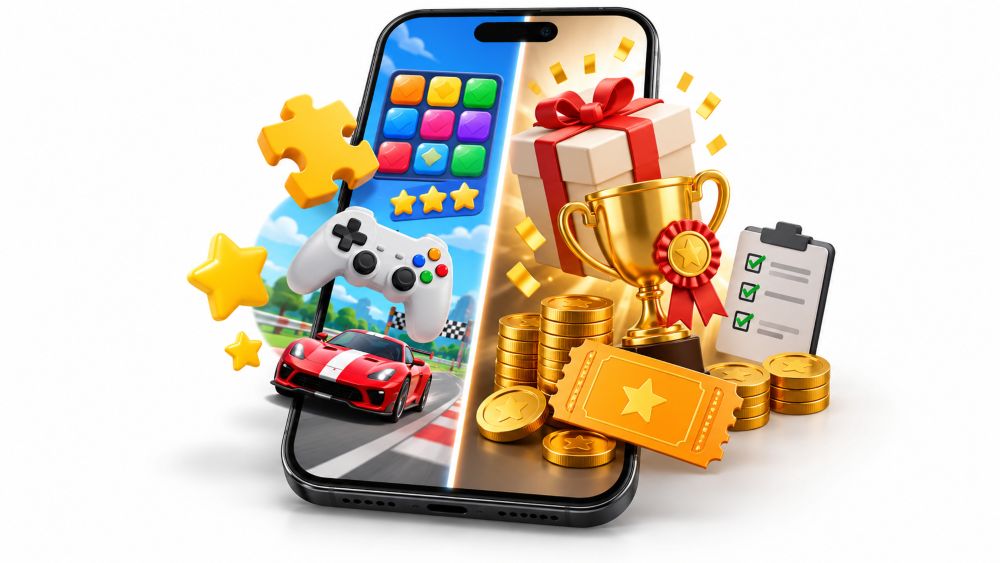
A quick game on your phone can mean different things to different people. For some, it is a way to pass ten minutes while waiting for a bus. For others, it is a puzzle to solve, a racing challenge to finish, or a high score to beat.
Websites such as Mopoga have made casual gaming especially convenient. You can open a browser, choose a game, and start playing without installing another app or creating an account.
However, the familiar appearance of a mobile game does not always tell you what happens behind the screen. Some games offer nothing beyond entertainment, while others involve real-money purchases, prizes, or chance-based outcomes.
Understanding that distinction matters because the financial risks, eligibility requirements, and consumer protections can be very different.
What Makes a Free Mobile Game Free?
Think about a simple racing game. You choose a vehicle, avoid obstacles, and try to finish before the timer runs out. If you crash, you restart. There is no financial reward for winning and no money lost when you fail.
That is the basic appeal of casual mobile gaming.
Puzzle games, arcade challenges, platformers, and many browser-based games follow similar principles. Their rewards usually exist within the game itself, such as higher scores, unlocked levels, or virtual achievements.
But the word “free” deserves a closer look.
Some games generate revenue through advertisements. Others offer optional upgrades, additional lives, cosmetic items, or premium features. A player might never pay anything, while someone else could spend money on the same title.
The Entertainment Software Rating Board provides labels that help consumers identify games containing in-app purchases, including purchases involving randomized digital rewards.
That distinction is important. A virtual treasure chest containing an unpredictable character or item is not necessarily the same as a game awarding cash prizes.
Why Prize-Based Games Belong in a Different Category
A colorful interface can make two games appear almost identical, even when their financial implications are completely different.
Consider a digital puzzle that awards stars for completing each level. Those stars might unlock another stage, but they have no value outside the game.
Now consider a chance-based activity involving payment and the possibility of receiving money or another prize with real-world value. The financial outcome becomes part of the activity rather than simply an imaginary score.
This is where online games for prizes differ from ordinary mobile entertainment.
Not every competition or giveaway offering a prize is gambling. Some promotional contests are free to enter, while others depend on skill rather than chance. The precise rules, entry requirements, and applicable laws determine how an activity is classified.
Virginia provides a useful example of why these distinctions matter. Under the Code of Virginia’s lottery age restrictions, lottery tickets cannot legally be sold to or redeemed from anyone younger than 18.
The broader point is simple: being available on a smartphone does not make an activity suitable or legal for every smartphone user.
How to Recognize the Difference
Before treating a new game as ordinary entertainment, pay attention to what it offers and what it expects in return.
| Feature | Free Casual Games | Real-Money Prize Games |
| Main purpose | Entertainment and challenges | Chance to receive real-world prizes |
| Typical rewards | Scores, levels, virtual items | Cash or prizes with monetary value |
| Financial risk | Usually optional purchases | Money may be lost through paid participation |
| Age requirements | Depend on content and platform | Often subject to stricter legal limits |
| Rules | Gameplay instructions | Gameplay, eligibility, and prize conditions |
| Availability | Often widely accessible | May be restricted by jurisdiction |
These are general differences rather than universal rules. Individual games and prize promotions can have different features.
One particularly useful question is whether a reward has value outside the game. Another is whether payment is required to participate in the chance-based activity.
The answers can reveal more than the graphics, advertising, or name of the game.
Free Games Can Still Lead to Unexpected Spending
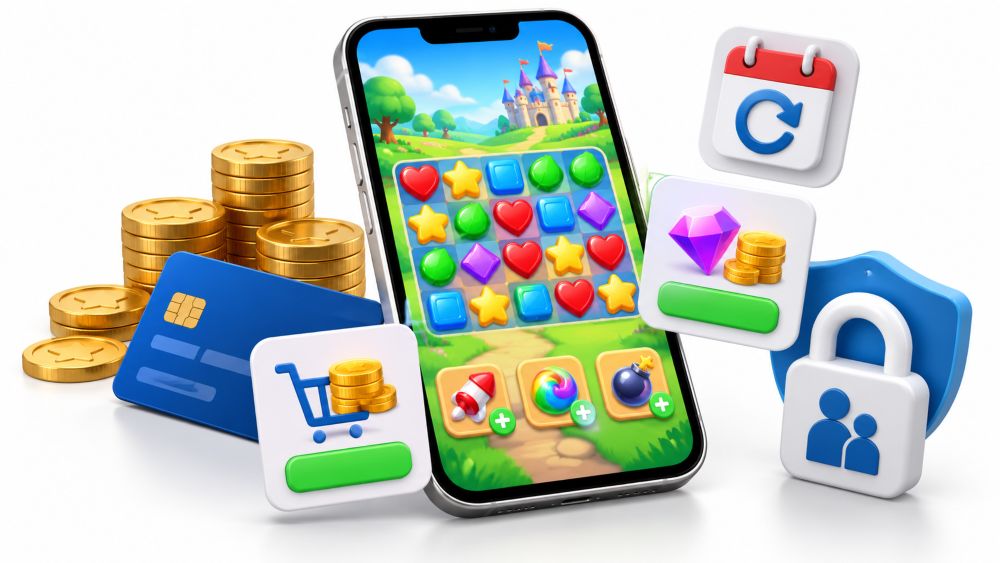
A game does not need to offer real-money prizes to create financial concerns.
Imagine downloading a free puzzle game, only to find that certain stages require extra lives. Each purchase might seem minor. However, repeated purchases can become expensive, especially when a game encourages immediate spending after a difficult level.
Subscriptions, automatic renewals, and premium currencies can also make the actual cost harder to recognize.
The Federal Trade Commission’s guidance on children and video games explains how families can use ratings, reviews, and parental controls to understand game features and reduce unexpected purchases.
A few sensible habits can make casual gaming easier to manage:
- Check whether the game contains optional purchases.
- Read reviews before installing unfamiliar apps.
- Avoid saving payment information unnecessarily.
- Use purchase restrictions on shared family devices.
- Pay attention to subscriptions and recurring charges.
- Choose games appropriate for the player’s age.
These precautions are useful even when the game itself costs nothing.
Why Rules and Age Restrictions Matter
One of the biggest differences between entertainment games and regulated prize-based activities is the importance of legal eligibility.
A casual browser game might be accessible to people across several countries. A real-money activity, on the other hand, may have restrictions based on age, location, and local law.
Those restrictions are not simply technical details. They are intended to establish who may legally participate and what consumer protections apply.
Families should also recognize that gambling-style mechanics can appear in different digital environments, including games with mystery rewards, simulated betting, or paid chance-based features.
The National Council on Problem Gambling’s youth prevention guidance highlights the risks associated with exposing children and teenagers to gambling activities.
Recognizing these features early helps parents and younger players distinguish age-appropriate entertainment from activities that carry additional risks.
Healthy Gaming Starts with Knowing When to Stop
Even a completely free game can take up more time than expected.
A five-minute break can turn into an hour when a game constantly offers another level, another reward, or another opportunity to improve a score.
That does not mean mobile gaming is inherently harmful. It means that healthy habits matter regardless of how a game makes money.
Setting reasonable screen-time boundaries, taking breaks, and maintaining a balance between gaming and other activities can help keep the experience enjoyable.
Financially risky activities require additional caution. Repeatedly spending money in pursuit of uncertain rewards can lead to losses, and attempting to recover those losses may make the situation worse.
For younger players, the clearest boundary is to avoid real-money gambling entirely and stick to age-appropriate games.
Bottom Line
A phone screen does not tell the whole story about a game.
Two titles may share similar animations, colorful buttons, and exciting sound effects while operating under entirely different rules. One might offer a harmless puzzle challenge, while the other involves financial risk or legal restrictions.
Free mobile games generally focus on entertainment, although advertisements and optional purchases can still affect the experience. Real-money prize games introduce another level of responsibility because payments, chance, and monetary outcomes may be involved.
The sensible approach is to understand what a game offers, what it costs, and whether it is appropriate for the person playing it.
A good gaming experience should leave you entertained, not surprised by charges, confused about the rules, or pressured to keep playing.