
Blog
Why Social Casinos Became Popular With Casual Online Gamers


Social casinos have moved from being a niche corner of digital entertainment into one of the fastest-growing segments in mobile gaming. What makes them especially interesting is not just the gameplay itself, but how closely they align with modern digital habits like short attention spans, mobile-first usage and a growing preference for low-commitment entertainment that still feels rewarding.
Unlike traditional casino environments or even complex video games, social casinos strip everything back to simple mechanics and quick engagement loops. The result of this is a form of entertainment that fits neatly and easily into everyday life, especially for casual players who want fun without pressure.
Attention Economy Is Changing How People Play
One of the biggest drivers behind the rise of social casinos is the way people consume content today. Attention is now fragmented, and entertainment has had to adapt to this. Digital behavior has become more fragmented, with users switching between apps, notifications, videos, messages and games throughout the day. Rather than relying on one fixed attention-span statistic, the more useful point is that many users now prefer entertainment that delivers value quickly. Social casinos fit that pattern because they offer fast feedback, simple actions and short sessions that do not require a long time commitment.
Instead of long-form engagement, people increasingly prefer short bursts of stimulation like quick wins, fast feedback and immediate gratification. Social casino games are built around exactly this pattern. A single spin, round or mini-game can be completed in seconds. This gives users a sense of progress without demanding extended focus.
This doesn’t mean people are less interested in entertainment. It just means the format has changed. In many cases, users will open a game multiple times a day for short sessions rather than committing to one long playthrough.
What Social Casinos Actually Are
Social casinos are casino-style games designed primarily for entertainment rather than direct real-money wagering. Players usually interact with familiar formats such as slots, roulette-style games, blackjack-inspired games, or prize wheels. Still, the experience is built around virtual currency, rewards and progression rather than traditional gambling.
There is also an important distinction between standard social casinos and sweepstakes-style platforms. Some social casinos use virtual coins that have no cash value. In contrast, sweepstakes casinos may use two types of currency, often separating entertainment coins from promotional coins that can be redeemed under specific terms. That distinction matters because casual players may not always understand the difference at first glance.
This is why clear information, transparent terms and responsible play tools are important. The appeal of these platforms comes from accessibility and entertainment. However, users still need to understand how bonuses, virtual currencies and redemption rules work before spending money or time on any platform.
A Fast-Growing Segment Of Digital Entertainment
The popularity of social casinos is also reflected in the broader casual gaming market. According to Mordor Intelligence, the online casual games market is valued at USD 22.68 billion in 2026 and is projected to reach USD 29.51 billion by 2031, growing at a 5.41% CAGR. That growth reflects how casual gaming has become a mainstream part of digital entertainment rather than a secondary category.
That level of growth shows a clear trend in gaming. And that’s casual and low-pressure gaming is no longer secondary. It’s becoming the dominant form of digital play for millions of users worldwide.
Social casinos sit right in the middle of this expansion. They combine familiar casino-style mechanics with the accessibility of mobile gaming, making them appealing to users who might never engage with traditional gambling platforms.
Why Social Casinos Appeal To Casual Players
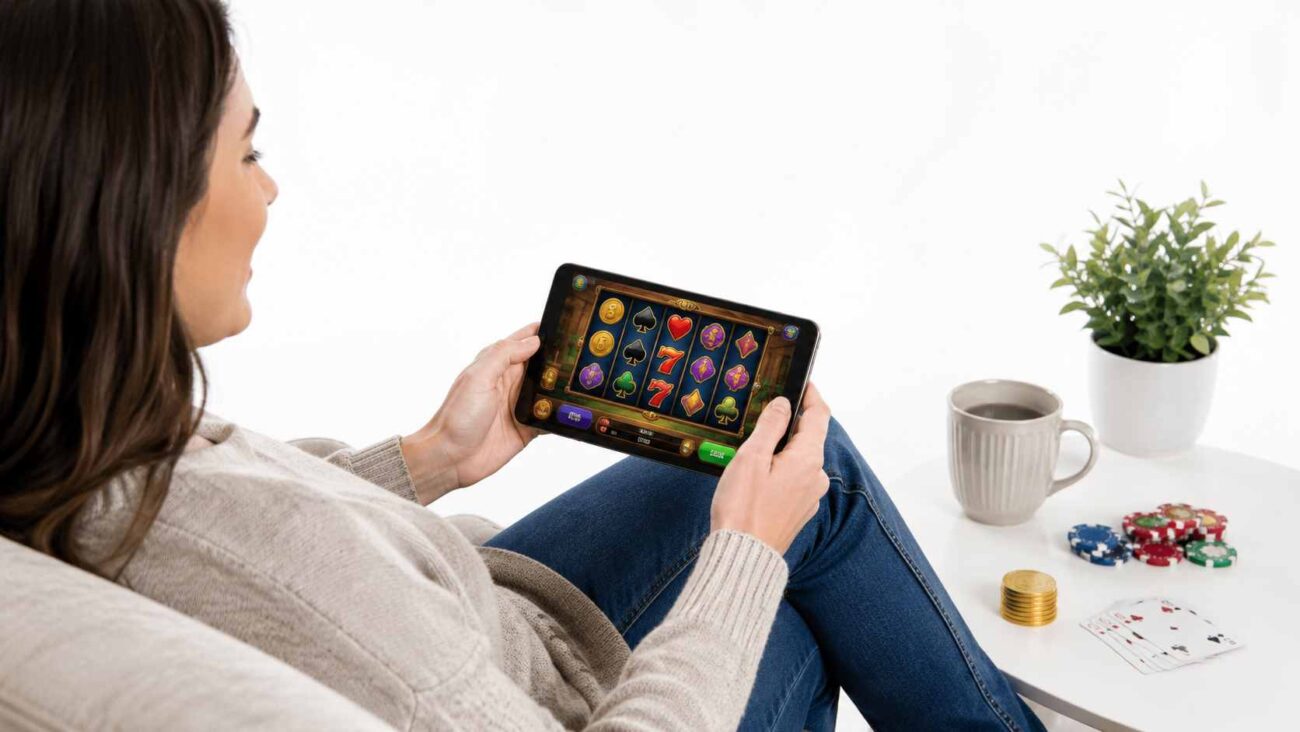
The appeal of social casinos is rooted in simplicity. There are no complicated strategies to learn, no financial risks and no steep learning curves. Instead, players are offered instant access to games that are easy to understand and designed for repeat engagement.
Part of the attraction comes from the psychological design of these platforms. Even without real-money stakes, the combination of rewards, progression systems and visual feedback creates a sense of achievement. Players feel like they are advancing, even in short sessions.
There is also a strong element of relaxation involved. For many users, social casino games act as a form of light entertainment that sits somewhere between scrolling social media and playing a full video game.
Easier Access Is Fueling Growth
Another reason social casinos have grown is that discovery has become much easier. Casual players no longer need to rely on scattered forum posts, social media comments or unclear promotional pages to understand what different platforms offer. Review and comparison sites now make the space easier to navigate by explaining game types, bonus structures, eligibility rules and platform differences in one place.
This is especially useful in the sweepstakes casino category, where terms can vary significantly between platforms. A player may see offers involving daily rewards, sign-up bonuses, Gold Coins, Sweeps Coins or promotional currency, but those terms are not always obvious to someone new to the space.
That is where resources such as Covers.com can be useful for casual users who want to compare offers and understand how promotions work before signing up. For example, guides that explain free SC coins can help players see what the bonus includes, how the currency works and what conditions may apply.
This type of information does not just make access easier; it also makes the experience less confusing. When users understand the difference between virtual play, promotional coins and redeemable rewards, they can make more informed decisions and avoid treating every offer as if it works the same way.
What keeps Players Coming Back
While accessibility brings users in, engagement is what keeps them active over time. Social casinos are particularly effective at maintaining interest because they rely on consistent reward systems and simple gameplay loops.
A few key mechanics drive long-term engagement:
- Daily login rewards that encourage routine play
- Short game rounds that fit into breaks or downtime
- Progression systems that create a sense of advancement
- Visual and audio feedback that reinforces wins and activity
- Bonus systems that extend play sessions without pressure
- Light competition through leaderboards or challenges
Each of these elements works together to create a cycle that feels rewarding without being overwhelming. Players don’t need to invest large amounts of time or energy, yet they still feel like they are achieving something meaningful during each session.
The growth of social casinos also makes transparency more important. Casual players are often attracted by the entertainment value first, but they may not immediately understand how virtual currencies, bonus terms or redemption rules work. Clear explanations help users separate simple entertainment play from promotional sweepstakes mechanics.
This matters because social casino games borrow many familiar elements from gambling-style products, including reels, jackpots, prize animations and reward loops. Even when there is no traditional real-money wagering, users should still understand what they are playing, whether purchases are involved and whether any rewards have conditions attached.
For platforms, this creates a responsibility to explain terms clearly. For players, it means reading bonus rules, checking eligibility and treating the games as entertainment rather than a guaranteed way to win value.
A New kind of Digital Entertainment
Social casinos are part of a broader shift in what people expect from digital entertainment. The focus is no longer just on depth, but on accessibility, speed and emotional reward. Users want experiences that fit into their day rather than dominate it.
This is why social casinos continue to grow. They are flexible enough to be played in seconds but engaging enough to keep users coming back repeatedly. They also exist at the intersection of gaming and entertainment, borrowing elements from both without fully committing to either.
At the same time, the surrounding ecosystem has evolved. With better access to information, clearer explanations of bonuses and platforms that simplify discovery, users are more empowered than ever to explore this space in a safe and informed way.
The rise of social casinos is not a trend that sits on its own; it shows broader changes in how people consume entertainment in a mobile-first world. Short attention spans, increased demand for convenience and the growth of the casual gaming market have all contributed to their popularity.
With the industry now valued in the tens of billions and continuing to expand, social casinos are positioned to remain a key part of digital entertainment. For casual players, the appeal is straightforward with easy access, quick gameplay and a rewarding experience that fits naturally into everyday life.
Disclaimer
This article is for general informational purposes only and is intended for adult readers. Social casino games, sweepstakes-style platforms and casino-style entertainment may involve virtual currency, promotional terms or optional purchases. They should be treated as entertainment, not as a way to earn money. Readers should check local laws, read platform terms carefully and use responsible play tools where available.
References
- Mordor Intelligence. (2026). Online Casual Games Market Size and Share Outlook to 2031. Mordor Intelligence. Study period 2020 to 2031.
- Gambling Commission. (2021). Digital and Virtual Currencies. Birmingham: Gambling Commission. Published 30 March 2021.
- Abarbanel, B., Gainsbury, S. M., King, D., Hing, N., & Delfabbro, P. H. (2017). Gambling games on social platforms: How do advertisements for social casino games target young adults? Policy & Internet, 9(2), 184–209. DOI: 10.1002/poi3.135
- Gainsbury, S. M., Russell, A. M. T., King, D. L., Delfabbro, P., & Hing, N. (2016). Migration from social casino games to gambling: Motivations and characteristics of gamers who gamble. Computers in Human Behavior, 63, 59–67. DOI: 10.1016/j.chb.2016.05.021
- Kim, H. S., Wohl, M. J. A., Salmon, M. M., Gupta, R., & Derevensky, J. (2015). Do social casino gamers migrate to online gambling? An assessment of migration rate and potential predictors. Journal of Gambling Studies, 31, 1819–1831. DOI: 10.1007/s10899-014-9511-0