
Blog
What The Live-Service Shake-Up Means For Free-To-Play Gaming

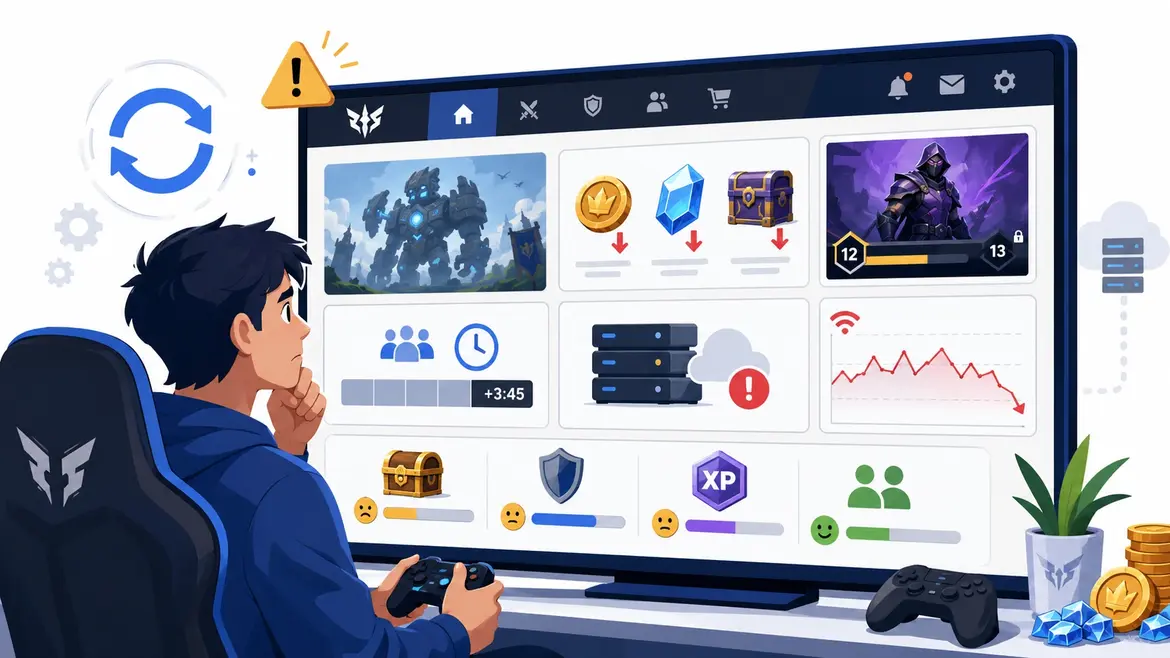
Free-to-play gaming has entered a new age. The download still costs nothing, but the audience now charges in attention, patience, storage space, and trust.
A game has to earn all four. Newzoo estimated that the global games market would generate $188.8 billion in 2025, up 3.4% year over year.
Growth has returned, but the easy pandemic lift has gone. Players have more choice than time, and the weakest live-service launches now meet the same fate as a cancelled streaming show.
Live-service games once sounded like the perfect answer for publishers. Instead of selling one box, a studio could run a game for years with seasons and cosmetic items. That still works for the rare hit. It works for Fortnite. It works for Roblox.
For many others, the model asks for a vast audience before the game has proved it deserves one. The Verge reported that Sony cancelled two unannounced live-service projects in 2025, including one tied to God of War. A famous name can open the door, but it can’t keep players inside.
Comparison Habit
Casino comparison sites have grown for the same reason review hubs grew around mobile games. The user wants less friction before trying something new.
In Canada, that need has become more practical as regulated online gambling expands. iGaming Ontario reported $82.7 billion in total wagers for 2024-25, with $2.9 billion in total gaming revenue. Casino wagers accounted for $69.6 billion of that total.
A comparison page gives a player a first read before they commit. It can show bonuses, game lists, payment options, and mobile features in one place.
A selection of free casino games appears among the options you can find on Casino.ca, alongside newly launched casino brands for Canadian users to compare. That type of page belongs to the same wider entertainment habit as free-to-play gaming. Try first. Check the rules. Decide whether the product deserves more time.
Why Launches Fail Faster
Free access used to feel like the hard part solved. Now it feels like the opening handshake. A player can install, sample, and leave in under ten minutes.
That has changed what design has to do. The first session must explain the game without a lecture. The second session must add a reason to return. The third has to prove the live-service calendar won’t become homework.
The strongest free-to-play games understand routine. Reuters reported that Roblox passed 150 million daily active users in 2025 after viral games drove spending and engagement.
The company credited search, discovery, infrastructure, and developer incentives. Players return when they can find fresh things fast, and creators keep building when the reward system feels worth their labor.
What Players Notice First
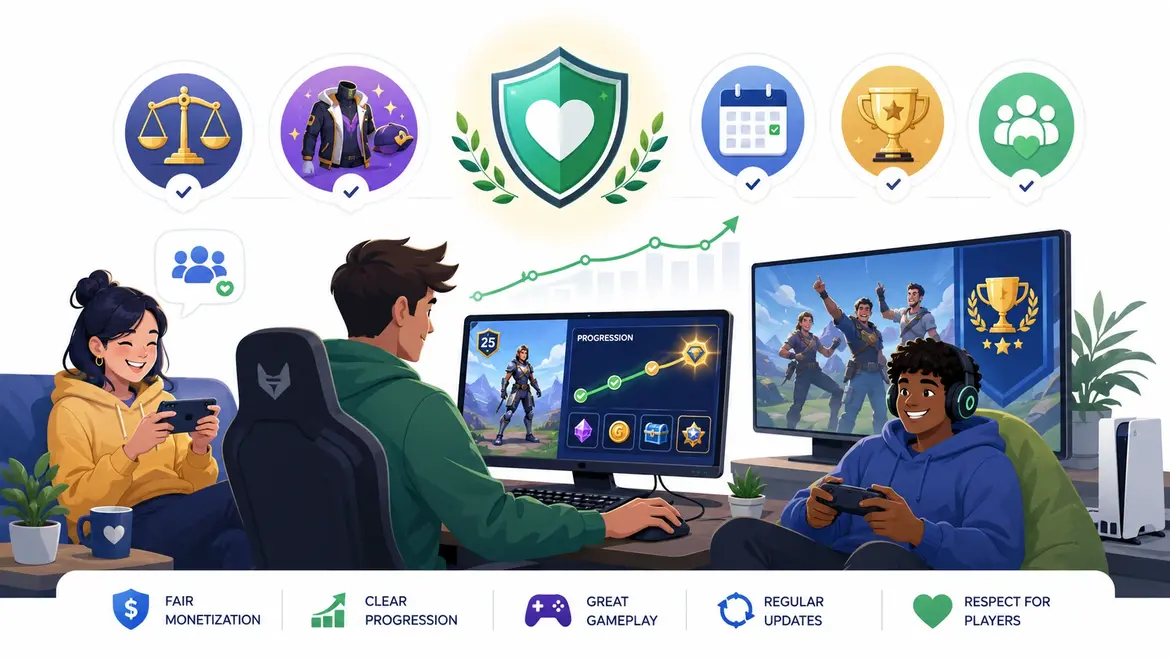
- Load time sets the mood before gameplay begins. A mobile user won’t wait long for a game that claims to be casual.
- A reward loop needs a clear shape. Players should understand what they earned and what changed.
- Menus should serve play. Too many prompts can make a free game feel expensive before money appears.
- Updates need purpose. A new skin can help, but a better mode gives people a stronger reason to return.
Homeowners know the difference between a new coat of paint and real upkeep. A live-service game has the same problem.
Fresh visuals can help a launch weekend, but balance work and support decide whether a community survives. The same applies to no-download casino-style play. A first visit may come from curiosity, but repeat use depends on clarity and control.
Social Feed Standard
Instagram has trained users to expect instant movement and fast sorting. Meta said its family of apps reached 3.58 billion daily active people in December 2025, up 7% from the year before.
It’s a reach that changes the standard for every casual product on a phone. Users now expect entertainment to appear fast, explain itself fast, and recover fast when they leave.
Free-to-play games feel that pressure more than premium games. A paid game gets some patience because the user has already bought in. A free game has to win the first minute on content. It should avoid clutter. It should explain purchases with direct wording. It should let the player leave without burying the exit under alerts.
What Better Free-To-Play Looks Like

- Let users play before asking for account depth. Registration can wait until the game has made its case.
- Keep rewards readable. Coins, skins, levels, and passes need names that match their function.
- Treat mobile as the main venue. Buttons need room. Text needs to fit. Sessions need natural stopping points.
- Build trust before selling. A fair free game earns more attention than one that rushes the store screen.
Epic’s Fortnite documentation shows how advanced live-service economies have become. Its engagement payout system distributes money to island creators based on popularity, engagement, and player attraction.
Models like this turn retention into income for creators as well as the platform. It also shows why modern free-to-play design has moved beyond a free download and a battle pass.
Final Take
The live-service shake-up does not mean free-to-play gaming is finished. It means the model now has to work harder for every minute of attention it receives.
Players are becoming quicker at recognising empty updates, confusing currencies, aggressive store prompts, and seasonal systems that feel like unpaid work. The games most likely to last will respect the player’s time, make their systems easy to understand, and offer meaningful reasons to return.
Free access may attract the first visit, but good design, useful updates, fair monetisation, and reliable support determine whether a game becomes part of someone’s routine. The next successful free-to-play title will not simply be the one with the biggest launch. It will be the one that continues earning trust after the launch campaign ends.
Disclaimer
This article is provided for general informational and editorial purposes only. It does not offer financial, legal, gambling, or investment advice, and it does not encourage real-money gambling. Casino availability, bonuses, payment methods, licensing rules, and legal requirements can change by province, territory, or country.
Readers should confirm local laws, platform terms, age restrictions, and promotional conditions directly with licensed operators or relevant regulators. Gambling involves financial risk and should only be considered by adults of legal gambling age. Never gamble with money needed for essential expenses, and use available deposit, spending, and time limits where appropriate.