
Blog
Understanding the Modern Mobile Sweepstakes Gaming Market

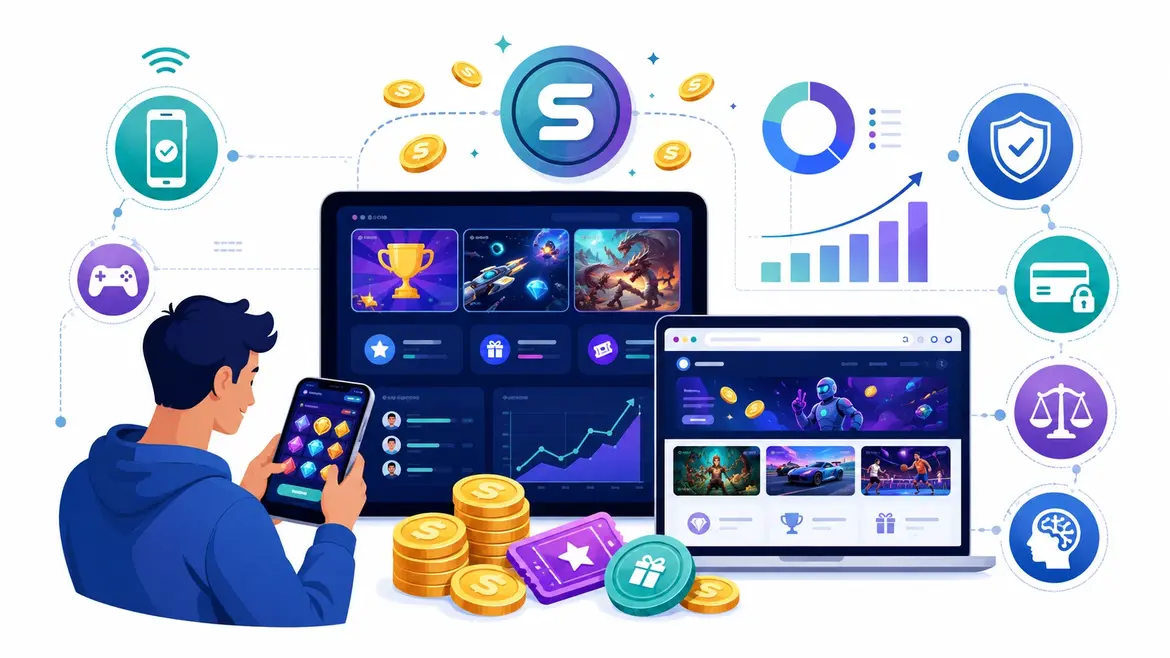
The usual explanation for why sweepstakes casinos went browser-first is convenience. Phones run out of storage, nobody wants another icon, tapping a link beats waiting on a download. All true, and all beside the point.
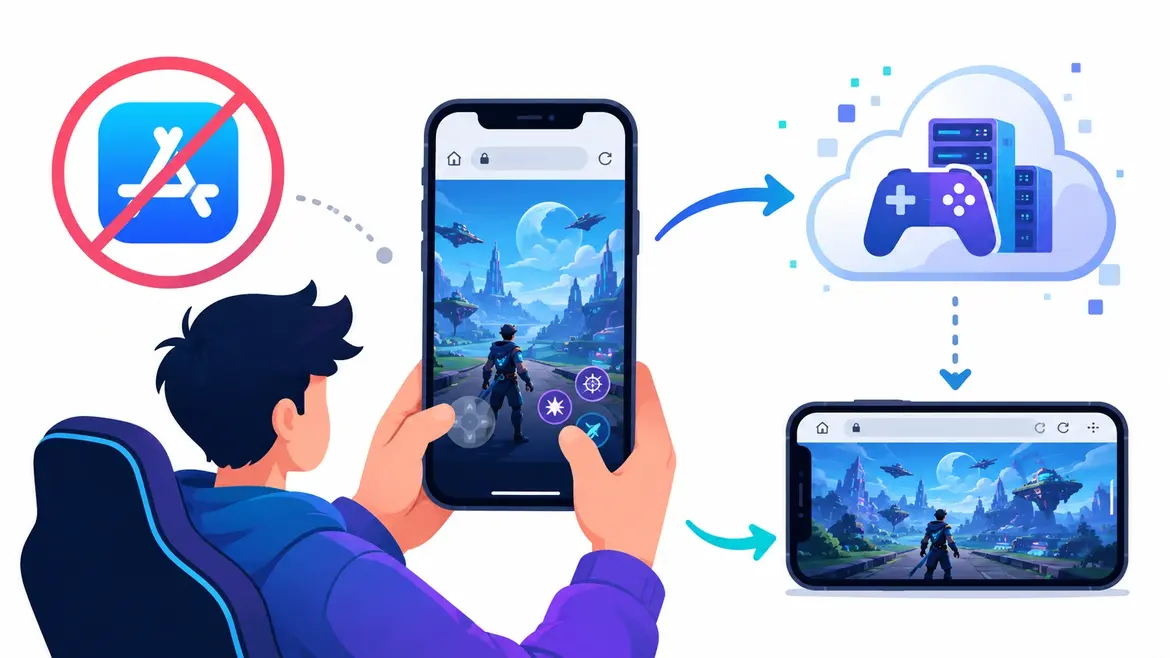
The real reason is that the app stores were mostly closed to this category from the beginning. Browser-first was not a design preference that happened to age well. It was the only door left open, and the operators who walked through it early ended up with a distribution model that turned out to suit how people actually use phones.
That is the more interesting story, and it explains both the growth and the trouble the category is now in.
App Store Was Never Really an Option
Apple’s App Store Review Guidelines devote a whole section to gaming, gambling and lotteries, and two clauses in it shape this entire market.
Guideline 5.3.3 says apps may not use in-app purchases to buy credit or currency for use with real money gaming of any kind. Guideline 5.3.4 says apps offering real money gaming must hold the necessary licensing in every location where the app is used, must be geo-restricted to those locations, and must be free to download.
Read those together, and the problem is obvious. The coin-package purchase is the entire revenue model, and routing it through in-app purchase is off the table. Meanwhile, any operator whose product looks like real money gaming has to produce licensing for every jurisdiction it serves, which is precisely the thing a sweepstakes operator argues it does not need.
Some sweepstakes brands do maintain App Store and Google Play listings, usually as free front ends with purchases pushed out to a browser window. But the friction of that arrangement, plus the ever-present risk of review team reclassification, made the mobile Web the safer primary channel. The path of least resistance ran through Safari and Chrome.
Browser Tech Was Ready Anyway
The timing helped. By the time this category scaled, the mobile Web could carry it without much compromise.
The Canvas element handles 2D rendering with no plugin and no install, and WebGL exposes the phone’s GPU to JavaScript for anything that needs hardware acceleration. A slot running sixty frames a second on a mid-range Android handset is doing work that would have required a native build a decade ago.
The practical upshot for players is that access method became a genuine choice rather than a constraint. Native app, progressive web app pinned to the home screen, or plain browser tab all get you to the same lobby, with different trade-offs in notifications, storage and offline behavior. Guides comparing mobile sweepstakes casinos tend to weigh operators on exactly that: whether the browser build matches the app lobby, whether verification and prize redemption work end to end on a phone, and whether a “PWA” is a real installable app or just a bookmark with an icon.
How the Dual-Currency Model Actually Works
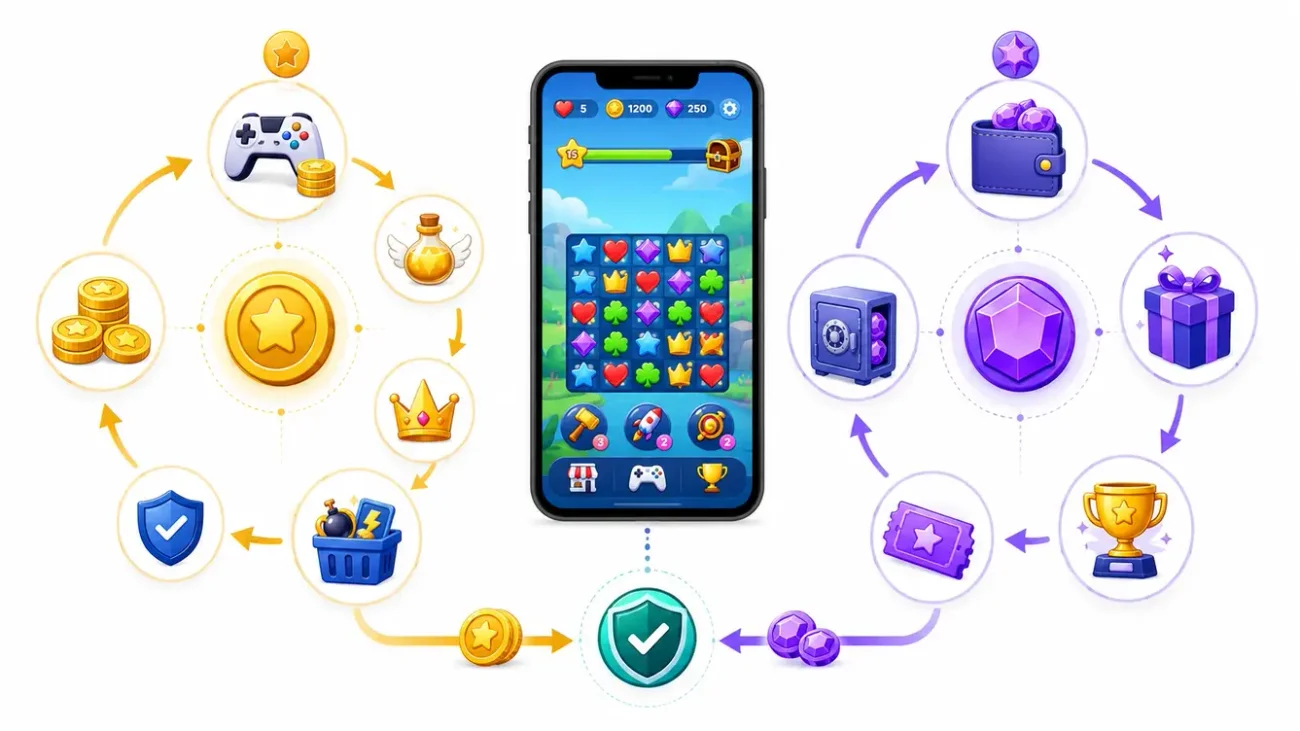
The structure is worth stating plainly, because a lot of coverage skips it.
These platforms run two separate currencies. Gold Coins have no prize value and exist purely for play. Sweeps Coins can be redeemed for cash or prizes. You can buy Gold Coins, and Sweeps Coins typically arrive bundled alongside those purchases as a promotion. Still, the operator must also provide a genuine free route to obtain Sweeps Coins, usually through daily logins, social promotions, or a mail-in request.
That free entry route is not a courtesy. Under US law, a promotion combining prize, chance and consideration is a lottery, and private lotteries are illegal almost everywhere. Removing consideration through a legitimate alternative method of entry is the whole legal argument for the model. It is also why the fine print about how to claim free Sweeps Coins is worth reading rather than scrolling past.
Legal Map Is Being Redrawn, Fast
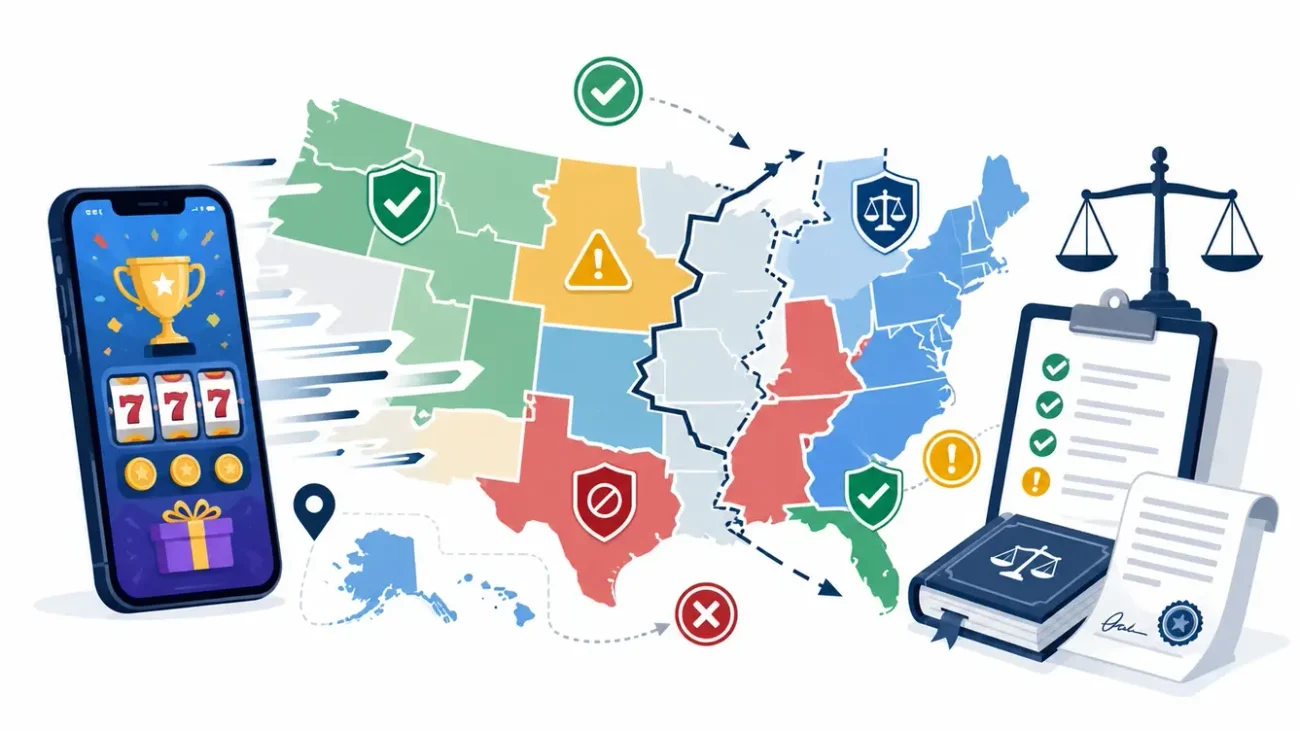
Here is where most articles on this topic are now out of date, including versions of this one written eighteen months ago.
The growth story used to be that sweepstakes platforms were available almost everywhere while real money online casinos were confined to a handful of states. The second half is still roughly right. Seven states run live real money online casino markets, with an eighth legalized and not yet launched, and American Gaming Association reporting puts national iGaming revenue past ten billion dollars from that small group.
The first half is no longer true, and it is changing quarter by quarter.
New York’s Attorney General sent cease and desist letters to twenty-six sweepstakes operators in June 2025, and all twenty-six agreed to stop selling Sweeps Coins in the state—a statutory ban followed in December. California went further: Assembly Bill 831, signed in October 2025 and effective from the start of 2026, makes operating a dual-currency online sweepstakes game a misdemeanor and extends liability to payment processors, geolocation providers, content suppliers, platform providers and media affiliates who knowingly support one; penalties run to twenty-five thousand dollars and up to a year in county jail.
By mid-2026, the hard-ban list included California, Connecticut, Indiana, Maine, Montana, New Jersey, New York and Tennessee, with Oklahoma’s ban enacted for November. A separate group, among them Washington, Idaho, Nevada, Iowa, Michigan and Louisiana, pushes operators out through existing gambling law and attorney general enforcement rather than a dedicated statute. California and New York were the two largest markets in the country before they closed.
Two details matter for anyone actually playing. First, most of these laws target operators, promoters and service providers rather than players, but not all of them do; Montana’s SB 555 is one of the few that creates exposure for individual users. Second, geo-blocking is imperfect, and an operator accepting your registration is not a determination that you are permitted to be there. Check your own state’s current position rather than trusting the signup form.
Short Sessions Still Win
None of the legal turbulence changes why the format fits phones so well.
Casual mobile gaming settled this argument years ago. Short, low-commitment sessions beat long, involved ones, because they fit the gaps in a day rather than requiring one to be cleared. A few minutes in a queue. A round while dinner finishes. Sweepstakes platforms leaned into that hard, and it shows in which games they push: instant win formats, scratch cards, Plinko, crash and mines all resolve in seconds and lose nothing by being interrupted.
Live dealer tables are the exception, and they behave differently. They need a stable connection, drain battery through video streaming, and punish interruptions in a way a slot does not. Most mobile play in this category is not live dealer, for exactly that reason.
Skill Is Creeping Back Into the Mix
One shift worth watching. Players are getting restless with formats that offer nothing to improve at.
Roguelikes like Hades and Slay the Spire demonstrated at scale that people will invest heavily in games where getting better actually changes outcomes, and that appetite is showing up in casino-style gaming too. Blackjack, video poker and other decision-based formats are gaining ground against pure slots, because they at least reward paying attention.
We covered this shift in our piece on why gamers want real challenges again, and the logic carries over cleanly. It is worth being precise about the limit, though: in a casino format, the house edge does not disappear because a game involves decisions. Better play narrows the gap. It does not close it. The appeal is the feeling of agency, which is real, rather than an expectation of profit, which is not.
Where This Actually Goes
The convenience advantages are durable. Instant access, no storage cost, and sessions that fit real life are not going to stop being appealing, and the browser will keep getting better at delivering them.
The legal position is the variable, and the trend line is not ambiguous. Roughly two dozen states have considered sweepstakes legislation, tribal gaming interests are backing bans in several of them, and at least one major game supplier has withdrawn from the US sweepstakes market entirely rather than carry the regulatory risk. The most likely outcome is a smaller, more consolidated map, with pressure building on the remaining states to either ban the model or legalize real money iGaming and tax it properly.
For players, the practical version is that availability today is not a guarantee of availability next year, and an account balance in a state that bans the format mid-year becomes a problem you did not plan for.
Before You Play
Two things are worth doing before depositing anything.
Confirm the current legal status in your state, from your state’s own gaming authority rather than from an operator’s eligibility page. Then set limits before you start rather than after, and use the platform’s own tools if it has them; the absence of deposit limits, session timers and a clear self-exclusion route tells you something about the operator.
If play stops feeling like play, the National Council on Problem Gambling runs a free, confidential helpline available around the clock, and Gamblers Anonymous maintains meeting listings nationwide. Neither requires a referral or an appointment.
Editorial Disclaimer
This article is provided for general informational and editorial purposes only. It is not legal advice and does not encourage or promote gambling or participation in sweepstakes-style gaming. Gambling and prize-based gaming laws, eligibility rules, and age requirements vary by jurisdiction and can change frequently. Only adults who meet the minimum legal age in their location should participate in regulated gambling-related activities. Readers should confirm current requirements through official state regulators or qualified legal professionals before relying on legal or regulatory information.
References
- Apple Inc. App Review Guidelines, Section 5.3: Gaming, Gambling, and Lotteries. Apple Developer. Last updated June 8, 2026. Covers App Store requirements concerning sweepstakes, real-money gaming, in-app purchases, licensing, and geographic restrictions.
- MDN Web Docs Contributors. Canvas API. Mozilla Developer Network. Last modified July 17, 2025. Technical reference covering browser-based 2D graphics, animation, game graphics, and the HTML Canvas element.
- MDN Web Docs Contributors. WebGL: 2D and 3D Graphics for the Web. Mozilla Developer Network. Last modified July 15, 2025. Technical documentation explaining browser-based, hardware-accelerated graphics through WebGL.
- American Gaming Association. State of the States 2026. Published May 12, 2026. Annual industry report covering regulated US commercial gaming markets, internet gaming revenue, taxation, and regulatory developments.
- Office of the New York State Attorney General. Attorney General James Stops Illegal Online Sweepstakes Casinos. Press release published June 6, 2025. Documents enforcement action involving 26 online sweepstakes platforms operating in New York.
- California Legislative Information. Assembly Bill 831: Gambling: Operation of a Contest or Sweepstakes. California Legislature, 2025–2026 Regular Session. Approved by the Governor October 11, 2025; filed with the Secretary of State October 11, 2025; bill text published October 13, 2025.
- National Council on Problem Gambling. Mission and Responsible Gambling Information. Official organizational resource. No publication date displayed; accessed August 21, 2026.
- Gamblers Anonymous. Official Meeting and Support Information. Official organizational resource. No publication date displayed; accessed August 21, 2026.