
Blog
How Faster Mobile Websites Are Influencing User Expectations for App Performance

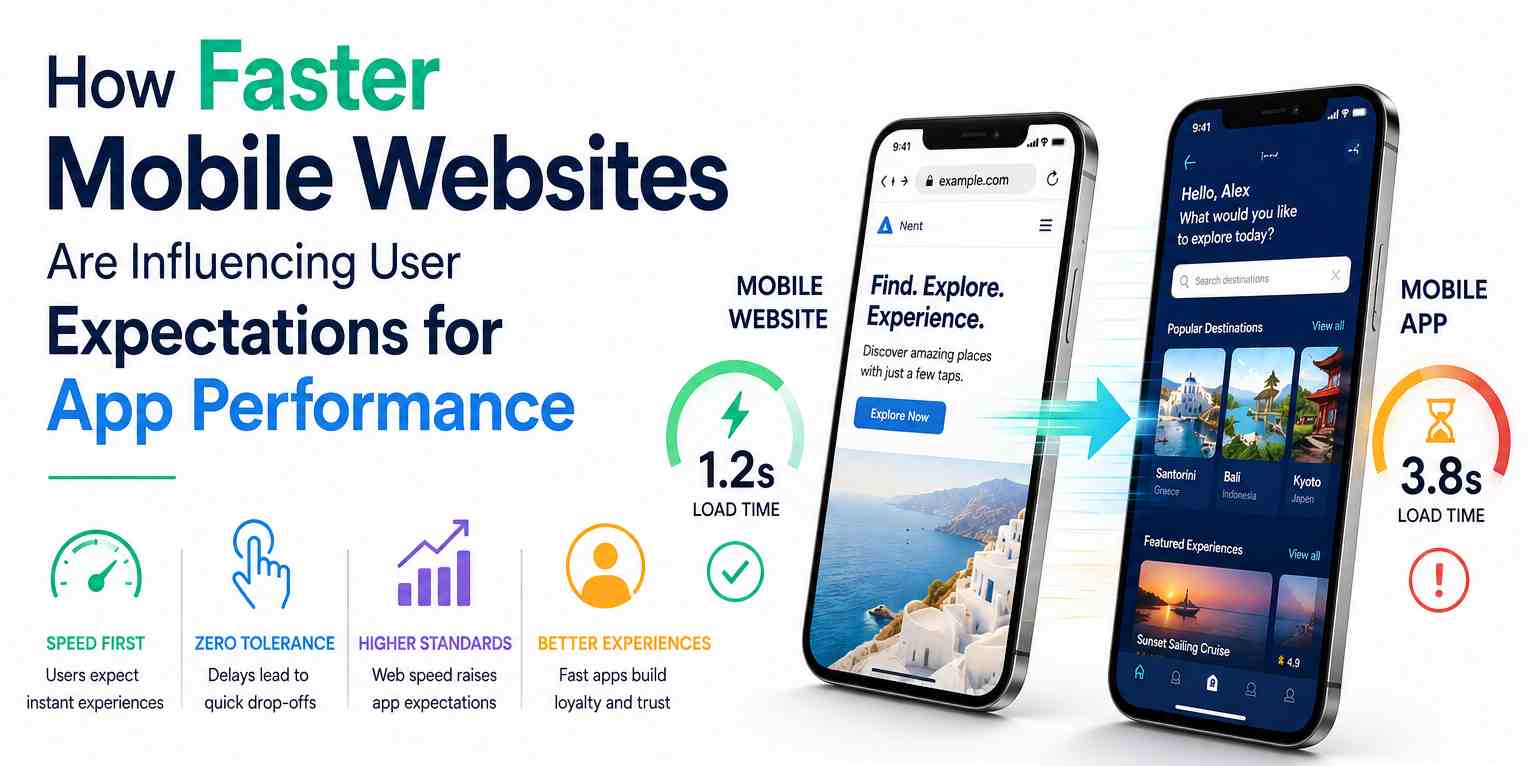
Somewhere along the way to the modern mobile web, people started expecting websites to behave more like apps. Now that the best mobile sites respond smoothly and let users get things done without waiting, the pressure has also shifted back onto apps.
Users may not know what a native framework is, or why one screen takes longer to load than another, but they do know the feeling of tapping something and getting no response. According to experts at DesignRush, even a tiny pause can make an app feel clumsy or unreliable.
Faster mobile websites have changed the baseline. Users now expect apps to feel immediate, not because they are impatient, but because so many other digital experiences already do.
Mobile Speed Has Rewritten the Rules
In the early stages of mobile internet, networks were weaker, and phones were slower. If a website took time to load, people often accepted it as part of using the internet on a small screen.
That excuse has mostly disappeared.
Today, a strong mobile website can load quickly, remember preferences, process payments, serve video, recommend content, and feel almost app-like without requiring a download. Better browsers, faster devices, progressive web features, and higher performance standards have all pushed the mobile web forward.
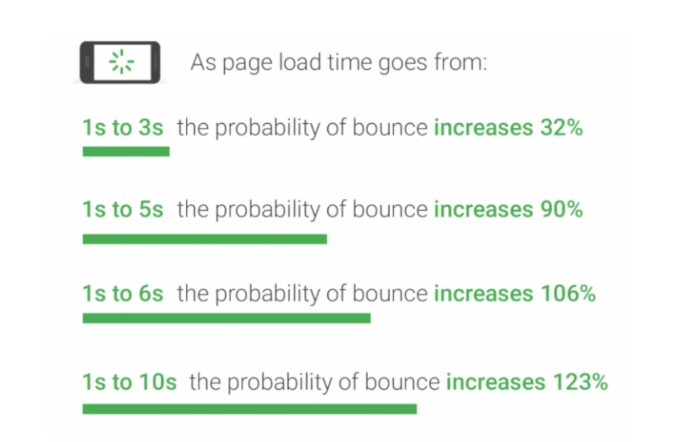
Google’s mobile speed research found that as page load time increases from one second to five seconds, the chance of a mobile visitor bouncing becomes much higher.
What This Means for Apps
That statistic is often used to warn website owners, but it also says something bigger about user behavior. People have learned to leave quickly when a mobile experience feels slow.
That habit does not disappear when they open an app.
In fact, expectations often become stricter. If an app asks for permissions, storage space, notifications, or account details, users naturally expect it to perform better than a website.
Apps No Longer Get Special Treatment
There was a time when users gave apps more patience because apps felt premium. Downloading one suggested commitment.
Now, apps are everywhere. People download them quickly and delete them just as easily. They may install an app for one discount code, one trip, one order, one event, or one workout phase.
At the same time, competition is intense. A mobile game competes with other games, YouTube, TikTok, messaging apps, music apps, and everything else people open when they have a few spare minutes.
Small Performance Moments Shape First Impressions
Users judge an app through small moments, such as:
- How quickly does it open after tapping the icon
- Whether the first screen shows useful content or a loading spinner
- Whether buttons react immediately
- Whether scrolling feels smooth
- Whether the app remembers where they were
None of these moments seems dramatic alone, but together they decide whether the app feels polished or frustrating.
Website Has Become the Warm-Up Act
The mobile website is often the first touchpoint. A user may search, tap a result, read a page, compare prices, check reviews, or follow a link from social media.
If that experience is quick and clean, it sets a clear expectation before the app is even installed.
A Good App Continues the Journey
Imagine a user finds your mobile site through a search. It loads quickly, and the sign-up flow is simple. Then the site encourages them to download the app for a better experience.
But the app opens slowly, asks for too many permissions, shows a generic loading screen, forces a login, and hides the content they were viewing.
That creates frustration.
A good app continues the journey. A bad app resets it.
Speed Creates Trust
A fast experience suggests that the product is maintained and the company is reliable. A slow or unstable app creates the opposite feeling.
Even if nothing is technically broken, users may start to wonder whether the product is worth their time.
This matters even more for apps that handle sensitive or high-value actions, such as:
- Banking
- Travel
- Healthcare
- Insurance
- Ticketing
- Shopping
Nobody wants to see a frozen screen after tapping a payment button.
Performance Also Matters in Entertainment Apps
The same idea applies to entertainment apps. If a game stutters, a music app loads slowly, or a video app delays the next screen, the experience feels broken.
The user may not complain. They may leave.
What App Teams Should Learn from the Mobile Web
Apps can do things websites cannot. They can use device features more deeply, support richer interactions, and create more personalized experiences.
However, mobile websites have become very good at reducing the distance between intent and action. Apps should follow the same principle.
App Teams Should Focus On
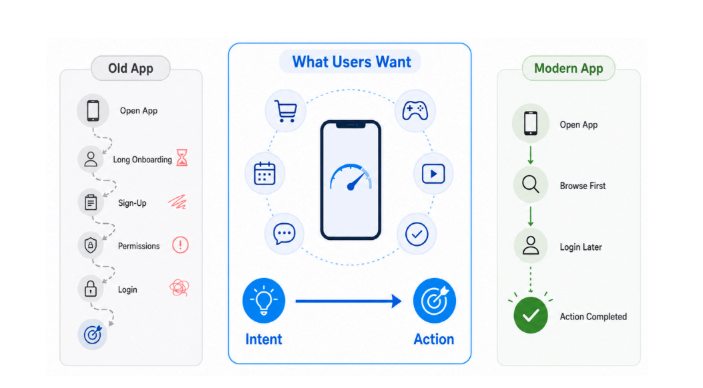
- Faster loading screens
- Shorter onboarding
- Fewer forced permissions
- Delayed account creation when possible
- Smooth scrolling and tapping
- Better memory of user progress
- Clearer paths to key actions
The goal is simple: help users do what they came to do with as little friction as possible.
Final Conclusion
Faster mobile websites have trained users to expect more from every digital experience. Speed now feels normal, and users quickly notice when an app does not respect their time.
App performance is no longer just a technical detail. It affects brand trust, user retention, product design, and everyday usability.
Modern users open an app because they want something done, watched, played, booked, bought, checked, saved, shared, or solved.
The faster the app helps them do that, the more modern and trustworthy it feels.