
Blog
The Digital Dugout: How Casual Gaming Logic Is Revolutionising Real-Time Football Engagement

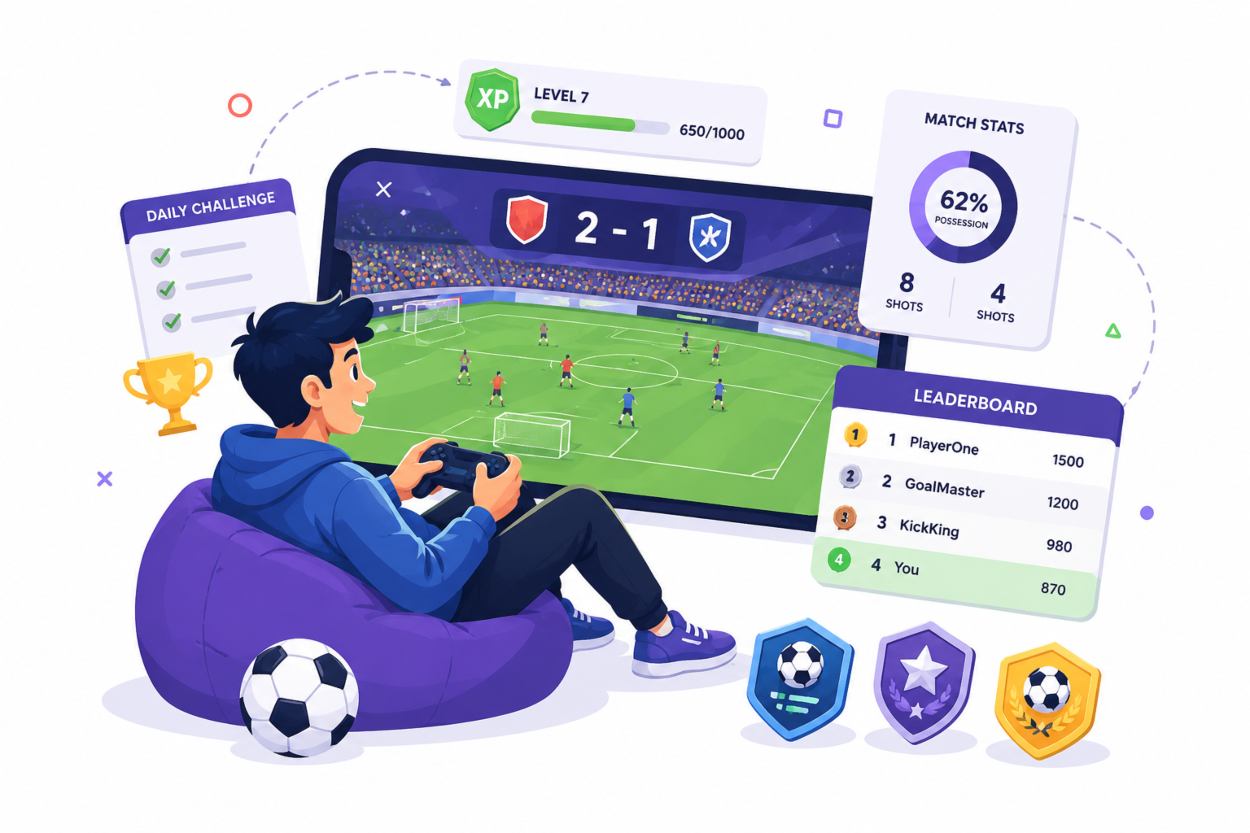
It is a humid Saturday evening in June 2026, and the world is gripped by the first ever forty-eight-team FIFA World Cup 2026. Across North America, the matches are coming thick and fast. If you are anything like me, your living room has probably turned into a makeshift command centre. There is the main match on the big screen, a tablet showing group standings, and a smartphone tucked firmly in hand.
But something has shifted in how we watch the beautiful game. Fans are no longer just passive observers. They have become active participants in a digital environment that often feels closer to a video game than a traditional broadcast.
This shift has not happened by accident. Over the last few years, the lines between casual mobile gaming and serious football engagement have blurred. The “Digital Dugout” is no longer just a metaphor. It is a reality for millions of fans who use gaming logic to navigate matchday. Whether through quick-fire browser games, tactical dashboards, or live match data, football consumption has been rebuilt from the ground up.
Accessibility Revolution: Why No-Download Browser Games Are Dominating Digital Fan Culture
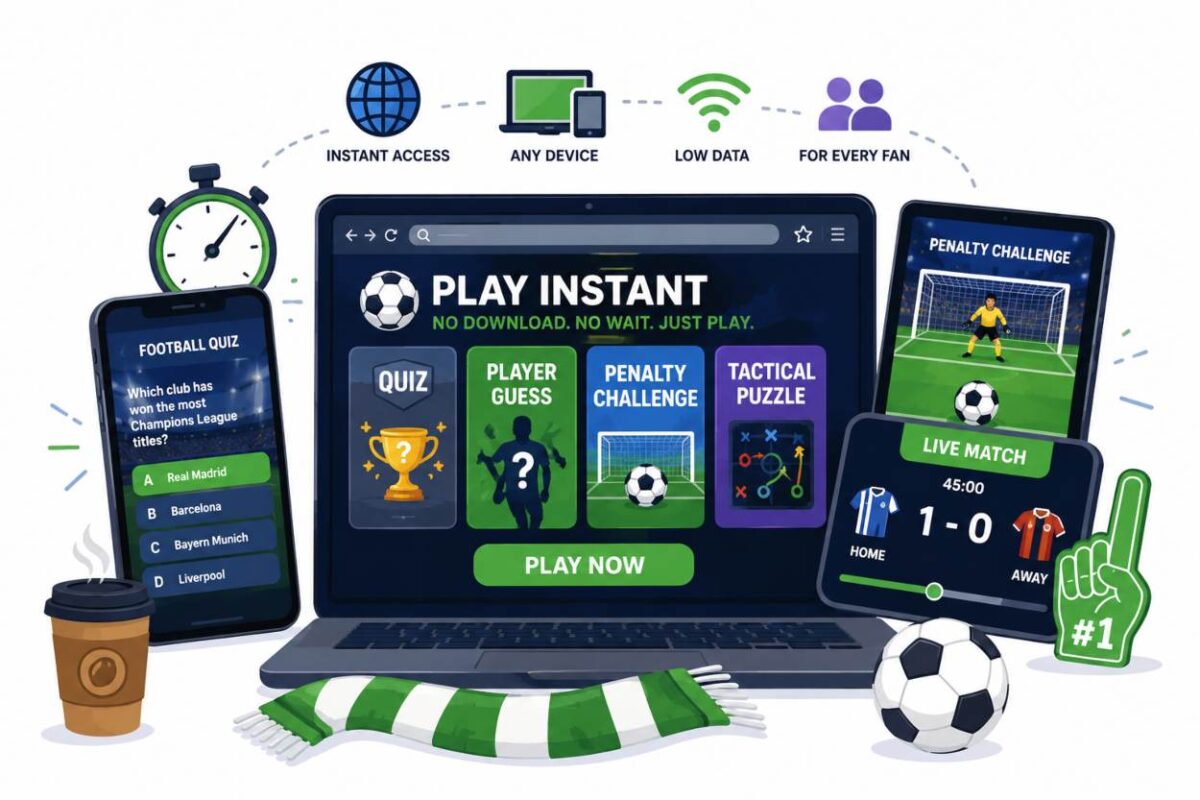
Not too long ago, if you wanted a decent gaming experience, you had to wait for a massive update to finish downloading on a console. Those days are quickly becoming a memory. The modern football fan wants instant access, especially during the build-up before kick-off or the short break at half-time.
This is where no-download browser games have changed digital fan culture. Fans now spend idle matchday moments playing football quizzes, player-guessing games, penalty challenges, and quick tactical puzzles. These games do not require an expensive PC, the latest console, or a heavy installation. They run on ordinary smartphones and laptops, which makes them accessible to almost everyone.
This accessibility has created a new kind of football habit. It is common to see fans in pubs, at home, or even near stadiums competing in mini-games while waiting for the action to restart. These games are not trying to be realistic simulations. They are designed to keep the brain engaged with football logic without friction.
That matters because football is full of gaps. There are injury breaks, VAR checks, half-time pauses, and quiet periods when the match slows down. Small interactive experiences help fans stay in the football mindset even when the ball is not in play.
Strategic Crossovers: How Football Simulators Sharpen Analytical Thinking
While casual browser games provide quick entertainment, football simulators create a deeper form of engagement. Anyone who has spent a weekend trying to take a lower-league side to a European final knows how absorbing these games can be.
Management simulators have turned many fans into amateur analysts. Supporters no longer talk only about who played well. They now discuss expected goals, pressing triggers, passing lanes, player fatigue, and tactical shape. Resources such as StatsBomb’s explanation of expected goals have also helped make advanced football data easier for everyday fans to understand.
This is not just about winning virtual trophies. The skills developed in simulators can change how fans watch real matches. When you spend hours reading player attributes, heat maps, and tactical roles, you start to notice similar patterns in live football.
You may spot when a full-back is being overloaded, when a midfield press is breaking down, or when a striker is making useful runs without receiving the ball. These details often appear before commentators mention them. That is where gaming logic becomes part of real-time football engagement. For adult fans in legal betting markets, platforms such as Bally Bet show how tactical awareness, live data, and match context can shape a more informed way of following football in real time.
Real-Time Evolution: Merging Casual Play Mechanics With Live Sports Engagement
One of the most fascinating developments in 2026 is how live sports platforms have started to look and feel more like mobile games. Modern football apps borrow heavily from casual gaming. They use progress bars, swipe-based layouts, instant notifications, simple dashboards, and clean visual feedback.
This is not just about design. It is about reducing cognitive load. When a match is in the eighty-eighth minute and the tension is high, fans do not want to navigate a slow or cluttered interface. They want information quickly.
Mobile-first design has become central to football engagement. The W3C Mobile Web Best Practices highlight the importance of making web experiences usable across mobile devices, and football platforms have clearly followed that direction. Fans now expect live stats, team news, video clips, social reactions, and match timelines to be available within seconds.
This real-time evolution means the experience does not stop when the whistle blows. Fans can follow live data, check tactical shifts, compare match momentum, and read post-match analysis almost instantly. In many ways, the match has become part of a much larger interactive system.
Platform Synergy: Professional-Grade Tools for Everyday Fans
Football engagement has moved far beyond the old desktop-first model. Today, mobile is the main screen for many fans. Streaming, social media, live stats, fantasy football, football games, and tactical content all compete for attention at the same time.
What makes this interesting is that professional-grade information is now available to casual fans. You no longer need access to a private scouting platform to understand pressing intensity, shot quality, or tactical structure. Public reports from sources such as the UEFA technical reports and learning platforms such as the FIFA Training Centre have helped make technical football knowledge more accessible.
This has changed football conversation. Fans now debate build-up patterns, defensive blocks, transition speed, and player roles with far more detail than before. The average supporter has access to a level of information that once belonged mainly to coaches, analysts, and journalists.
The most successful platforms understand that fans are multitasking. A supporter may be watching the match on TV, checking statistics on a phone, reading social media reactions, and talking in a group chat at the same time. Casual gaming design helps make this easier through clear menus, fast feedback, and simple visual cues.
AI, Casual Gaming, and the Future of Football Interaction

As the tournament continues and football technology develops, artificial intelligence will become even more important. AI is already shaping recommendations, highlight packages, player tracking, and personalised content.
Imagine an app that understands you enjoy defensive battles and highlights interceptions, tackles, and centre-back duels. Another fan might prefer attacking patterns, so the same match could be presented with a focus on chance creation, forward runs, and shot maps.
This kind of personalisation is where football engagement is heading. Fans will not all watch the same digital version of a match. Instead, each supporter may receive a version shaped around their own habits and interests.
There is also room for more interactive football content, such as prediction-style mini-games, tactical quizzes, augmented reality overlays, and live knowledge challenges. These features can make the digital experience feel closer to being inside the match, as long as they are designed responsibly and do not confuse entertainment with risk-based adult activity.
Responsible Engagement Still Matters
As football apps become more interactive, responsibility becomes even more important. Betting-related features should never be treated like ordinary casual games. Gambling is restricted to adults, carries financial risk, and should only be discussed with clear safety context.
The UK Gambling Commission provides safer gambling guidance, including tools for limits, blocking payments, and getting support. Anyone affected by gambling-related harm can also visit GambleAware for help and advice.
Conclusion
Football has entered a new digital era. Fans are no longer only watching. They are analysing, comparing, predicting, debating, and interacting in real time. Casual gaming logic has changed how people move through a matchday, from quick browser games during half-time to tactical dashboards that explain what is happening on the pitch.
The digital dugout is open to everyone. It gives fans more context, more control, and more ways to stay connected with the game. As AI, mobile design, football analytics, and interactive media continue to develop, the fan experience will only become more personal, more immediate, and more immersive.
Please engage responsibly. Sports betting is for adults only where legally permitted. For more information and support, visit GambleAware or your local safer-gambling support service.