
Blog
How Gaming And Football Communities Are Creating New Forms Of Digital Engagement

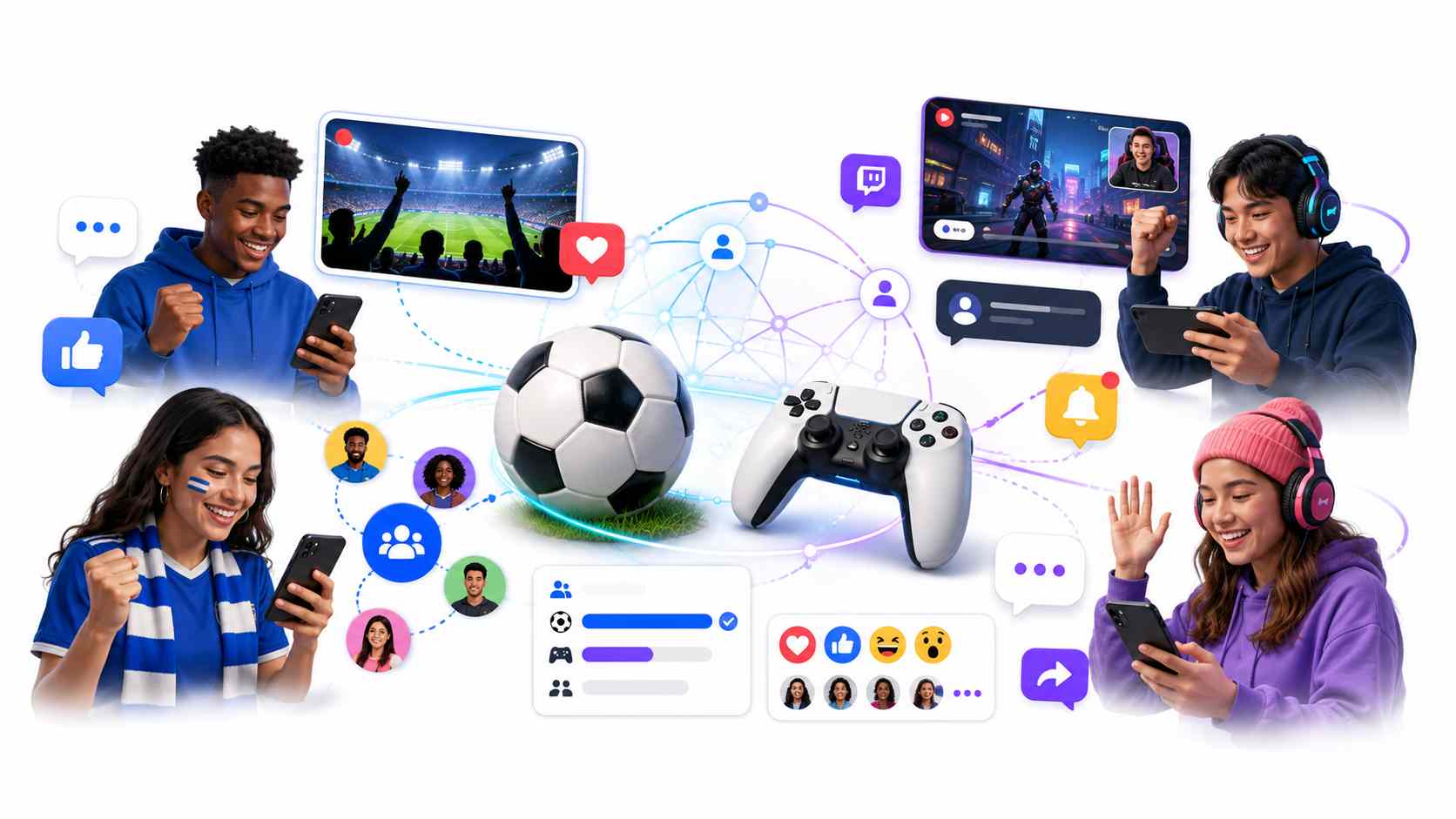
Online gaming and football used to build loyalty in different ways. Gaming communities grew through live chats, Discord servers, custom tournaments, creator streams, fan clips, and daily interaction. Football communities grew through stadium culture, matchday routines, local pride, shirts, chants, and emotional loyalty passed from one generation to the next.
That difference is now much smaller.
Football fans are starting to behave more like gaming communities. They do not only watch a match and leave. They react in real time, post clips, debate tactics, vote in polls, join fan groups, follow player updates, and create their own content around the club. Gaming fans have already shown how strong a community becomes when people are given small but repeated ways to take part.
This is why digital engagement in football is no longer only about posting highlights or selling shirts online. It is about building spaces where fans feel seen, involved, and connected between matches.
The clubs that understand this shift are not simply chasing attention. They are building participation.
Shift From Passive Fans To Active Communities
The old model of sports entertainment was simple. A club played. A broadcaster showed the match. Fans watched.
That model still exists, but it no longer matches how younger and digital-first fans behave. A supporter may watch a football match while also checking live stats, posting reactions, joining a group chat, sharing a clip, voting in a fan poll, and replying to other fans within minutes.
Gaming communities reached this point earlier. A game is rarely just a game anymore. It becomes a space where players create their own stories, rivalries, jokes, tournaments, guides, and social groups.
Football clubs are now trying to build the same kind of daily connection.
- The real question is not, “How do we get fans to click?”
- The better question is, “What reason does a fan have to return tomorrow?”
That question changes the whole strategy. A simple announcement may get attention for one day. A useful community feature can create repeat behavior for weeks or months.
What Gaming Communities Taught Football Clubs
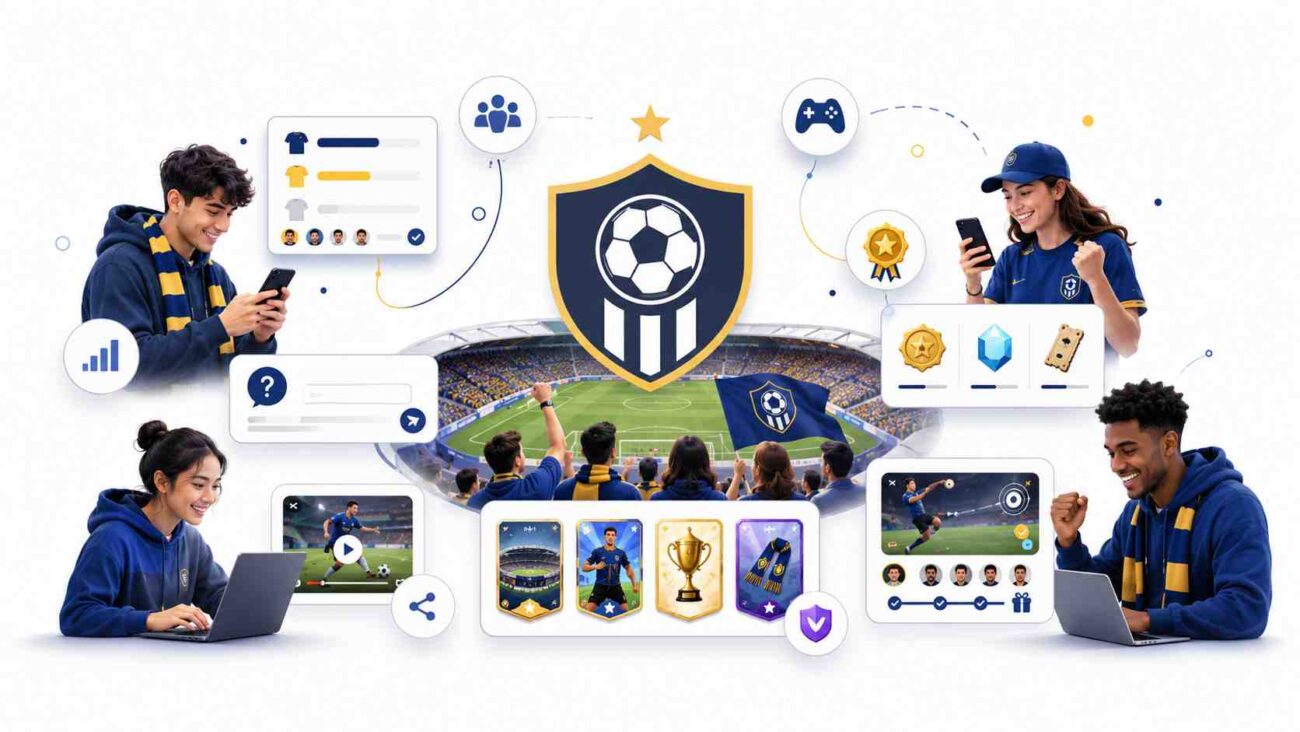
Gaming communities work because participation is built into the experience. Players are used to joining servers, creating teams, ranking themselves, testing updates, sharing clips, and giving feedback.
Football fans have always had passion, but clubs traditionally controlled most of the experience. Fans could watch, attend, buy merchandise, and support. Digital platforms now give clubs a way to open smaller doors.
That does not mean fans should control serious sporting decisions. Most fans do not expect to choose transfers, formations, or contracts. What they want is visible involvement.
That could mean:
- Voting on selected club campaigns
- Joining digital fan challenges
- Accessing behind-the-scenes content
- Earning rewards for activity
- Taking part in matchday polls
- Submitting questions for players
- Joining online fan events
- Collecting digital items linked to the club
The most useful lesson from gaming is this:
- Fans do not need full control. They need a role they can feel.
- That role may be small, but it must feel real.
How PSG Shows The Opportunity
Paris Saint-Germain is one of the best-known football clubs, using digital tools to bring supporters closer to the club experience. The PSG fan token gives supporters access to selected polls, rewards, exclusive content, and special fan experiences.
The important point is not only the blockchain technology behind it. Many fans do not care about the technical structure. What they care about is access, recognition, and belonging.
A supporter living thousands of miles from Paris experiences PSG almost entirely through digital touchpoints. For that fan, a poll, exclusive video, online event, or special reward may matter more than stadium access because it is the closest available connection to the club’s inner world.
For the Paris Saint-Germain fan community, this creates a new kind of relationship. The supporter is not just watching official content from a distance. They are being invited into selected moments where their action can be seen, counted, or rewarded.
That is the real strength of fan-token engagement when it is done well. It does not replace traditional football loyalty. It gives digital-first supporters a clearer way to express it.
What I Noticed While Reviewing Football Communities
When reviewing football fan discussions across public social platforms, fan pages, comment sections, and forum-style communities, one pattern becomes clear: fans usually respond more strongly to moments that give them something to debate than to posts that ask them to consume.
A reward post may get quick attention, but a discussion post often lives longer.
For example, posts about a player’s form, a matchday decision, a club identity issue, or a fan vote usually create deeper replies because supporters can add their own opinion. They can disagree, defend a player, bring up club history, compare past moments, or challenge other fans.
Pure promotional content rarely creates that same level of conversation unless it is tied to emotion, status, or identity.
This matters because many clubs still think digital engagement is mainly about offering more content. But fan behavior shows something different. Supporters do not only want more posts. They want more reasons to take part.
A football club can publish ten polished videos and still get limited community energy. But one well-timed poll, one emotional behind-the-scenes clip, or one fan-led question can create a much stronger reaction because it gives people something to do with their loyalty.
The lesson is simple:
Digital engagement is strongest when the club starts the moment, and the fans expand it.
Mini Case Study: The Poll That Became Bigger Than The Vote
A useful way to understand this is to look at how fan polls work when they are built around identity instead of promotion.
Imagine a club runs a six-week digital fan campaign before a major match. The club launches three simple polls:
- One poll asks fans to choose a tunnel message
- One poll asks fans to vote for a classic goal to replay on matchday
- One poll asks fans to choose a fan-designed digital badge
The voting numbers may not be huge at first. The first poll gets moderate activity. The second performs slightly better. The third creates the strongest reaction because fans begin sharing their preferred badge designs across social media.
The club team notices something important. The direct vote count is not the full value. The user-generated content around the poll is more powerful than the poll itself.
Fans create posts explaining their choices. Fan pages repost the badge options. Supporters argue over which design feels more authentic. Some fans who do not even vote still join the discussion.
The campaign worked because it gave fans a reason to create their own conversation.
That is the difference between a digital feature and a digital community. A feature ends when the user clicks. A community keeps talking after the click.
Mini Case Study: A Reward Campaign That Failed
Not every digital engagement idea works.
A common mistake is launching a reward campaign that feels too much like advertising. A club or gaming brand may offer points for watching a sponsored video, sharing a campaign post, or signing up for a partner offer.
On paper, the idea looks strong. There is a reward. There is a clear action. There is a measurable result.
But the campaign can still fail.
The reason is simple: fans can tell when the action serves the brand more than the community.
If supporters feel they are being used to push a promotion, they may ignore the campaign even if a reward is offered. Some may join once and never return. Others may complain that the club is selling access instead of building loyalty.
The mistake is not offering rewards. The mistake is making the reward feel disconnected from fan identity.
A better version would connect the action to something fans already care about. Instead of “watch this sponsor video and earn points,” the club could create a fan challenge around a matchday memory, club history, or player moment. The sponsor can still be present, but the fan experience comes first.
That small difference can decide whether a campaign feels like participation or promotion.
What Most Articles Get Wrong About Gaming And Football Communities
Most articles treat digital engagement as a technology story. They focus on blockchain, apps, fan tokens, digital collectibles, and revenue.
- That is only half the picture.
- The real story is fan behavior.
Fans already want to belong, react, collect, share, debate, and feel recognised. Digital tools give those existing habits a clearer structure.
A fan token does not create loyalty by itself. A Discord server does not create community by itself. A club app does not create engagement by itself.
The tool only works if it connects to a real fan need.
Most articles also overstate how much control fans want. Supporters usually do not want to manage the club. They want small, meaningful moments where their voice is visible.
There is a big difference between these two ideas:
- Let fans control major sporting decisions
- Let fans influence selected community moments
- The second idea is much stronger.
- Fans can vote on cultural details, digital content, fan awards, charity themes, stadium messages, or community campaigns. These choices are safe, but they still make supporters feel involved.
The best digital engagement is honest. It does not pretend that fans are running the club. It gives fans a closer place inside the club’s wider story.
Lessons From Real-World Implementation
The strongest lesson from gaming communities is that repeat participation matters more than one large campaign.
A gaming server does not become active because of one big announcement. It becomes active because people return often. They recognise names. They remember jokes. They know who always wins, who always complains, who makes good clips, and who starts the funniest debates.
Football communities work similarly.
A digital fan campaign should not be judged only by immediate clicks. It should also be judged by what happens after the campaign.
Useful questions include:
- Did fans talk to each other?
- Did they share their own content?
- Did they return for the next campaign?
- Did fan pages pick up the idea?
- Did the campaign create a memory?
- Did supporters feel closer to the club?
One mistake many clubs make is measuring only direct numbers. They look at votes, clicks, sign-ups, and sales. Those numbers matter, but they do not show the full picture.
A campaign with many clicks but no conversation may be less valuable than a campaign with fewer votes but deeper comments, reposts, debates, and fan-created content.
The real value often sits outside the main dashboard.
Why Global Fans Are Changing The Rules
Modern football loyalty is no longer limited by location. A supporter can live thousands of miles away from the stadium and still feel deeply connected to a club.
This is one of the biggest global football trends shaping digital engagement. Clubs now speak to fans who may never attend a home match but still watch every game, buy shirts, follow player news, and join online debates.
These fans should not be treated as casual outsiders. Many of them are highly loyal. Their main difference is access.
Local fans may have stadium memories. Global fans often build their connection through digital moments. That makes online engagement more important, not less.
For a global fan, a behind-the-scenes video, online poll, digital reward, or live fan event may be the closest they get to the club’s inner world. If done well, these small digital moments can create real emotional loyalty.
The clubs that understand this will not only post content for global fans. They will design participation for them.
Problem With Treating Every Fan The Same
Not every fan wants the same experience.
Gaming communities understand this better than many football clubs. Some players are casual. Some are competitive. Some create content. Some collect digital items. Some organise events. Some only watch quietly.
Football fans are just as varied.
Some supporters only watch major matches. Some follow every training update. Some run fan pages. Some create tactical videos. Some buy every shirt. Some live close to the stadium. Some live in countries where they may never see the club play in person.
A strong digital engagement strategy should respect these differences.
- Casual fans may want simple highlights and match reminders.
- Loyal fans may want voting access and deeper content.
- Global fans may want online experiences and regional recognition.
- Content creators may want media assets and community visibility.
- Collectors may want limited digital items.
- Matchday fans may want ticket-related rewards.
When every fan receives the same content, the experience feels flat. When fans receive different ways to take part, the community feels more personal.
Hidden Value Of Digital Engagement Is Feedback
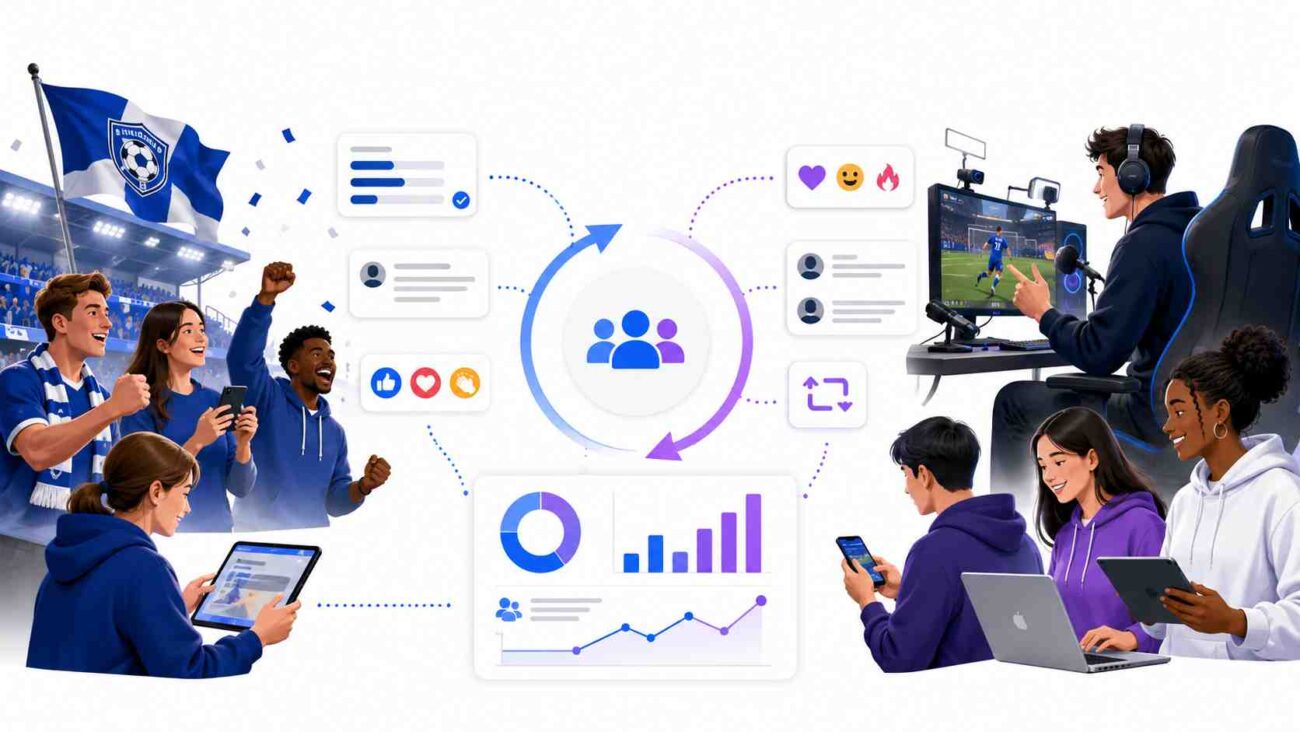
One underrated benefit of digital communities is feedback.
Clubs often guess what fans want. Sometimes they guess wrong.
A club may think supporters want a big reward, but fans may respond more strongly to emotional access. A gaming creator may think viewers want a prize tournament, but the community may care more about fair rules, good scheduling, and recognition.
Digital engagement gives clubs and creators useful signals.
Polls show preferences. Comments show emotion. Reposts show what fans are proud to share. Drop-off rates show what feels boring. Complaints show where trust is weak.
But this data should be used carefully. Fans do not want to feel studied or manipulated. They want better experiences.
The best use of data is not to squeeze more clicks from fans. It is to understand what makes the community feel alive.
Risk Of Turning Loyalty Into A Transaction
There is one serious risk in this whole shift.
When every fan action is tied to points, tokens, rewards, or access, the community can start to feel transactional. Fans may begin acting only when there is a benefit.
That weakens the emotional base of fandom.
Football loyalty is powerful because it is not always logical. People support clubs through poor seasons, painful losses, bad decisions, and long waits for success. If digital engagement turns that loyalty into only a reward system, something important is lost.
The better approach is balance.
- Use rewards to support loyalty, not replace it.
- Use fan tokens to create access, not false promises.
- Use polls to involve supporters, not pretend they control everything.
- Use data to improve fan experience, not manipulate behavior.
The strongest communities still feel human.
A Better Way To Measure Digital Engagement
Clicks alone are not enough.
A better measurement system should look at the quality of fan behavior, not only the quantity.
A weak campaign may get many clicks because it offers a prize. But if fans do not talk, return, or share anything meaningful, the long-term value is low.
A stronger campaign may have fewer clicks but more signs of real community activity.
Better signals include:
- Repeat participation
- Comment depth
- Fan-created posts
- Return visits
- Poll completion rates
- Private group discussion
- Positive fan page pickup
- Content shared without paid promotion
- Emotional language in comments
- Follow-up activity after the campaign ends
This is where football can learn from gaming. Gaming communities often measure health by activity rhythm. Are people showing up daily? Are they helping new members? Are they creating their own events? Are they building inside jokes and shared memories?
Football clubs should ask similar questions.
Final Thoughts
Gaming communities proved that entertainment becomes stronger when fans can take part. Football clubs are now learning the same lesson.
The future of digital engagement is not only about apps, tokens, or content volume. It is about giving fans small, honest, repeated ways to feel involved.
PSG shows how this can work when access, rewards, and participation are connected. But the same example also shows the challenge. If digital engagement feels like a financial product or a promotion, fans may lose interest. If it feels like recognition, access, and shared identity, it can deepen loyalty.
The most successful clubs and creators will not simply ask fans to watch more. They will give fans better reasons to return, react, create, vote, share, and feel part of something.
That is the real change.
Football and gaming are no longer only entertainment products. At their strongest, they are living communities.