
Blog
Bonus Codes in 2026: Between Nostalgia And Actual Utility

If you have spent any time on betting sites, you have met the bonus code: a short string of letters and numbers that unlocks a promotion. For years, it was the key to the whole thing. No code, no offer. That is no longer true. Plenty of promotions now trigger automatically or through a special link, and the code has quietly become optional. So it is worth asking a plain question: in 2026, is typing a code still worth the bother, or is it just a habit we have not shaken?
Promo Codes Versus Automatic Offers
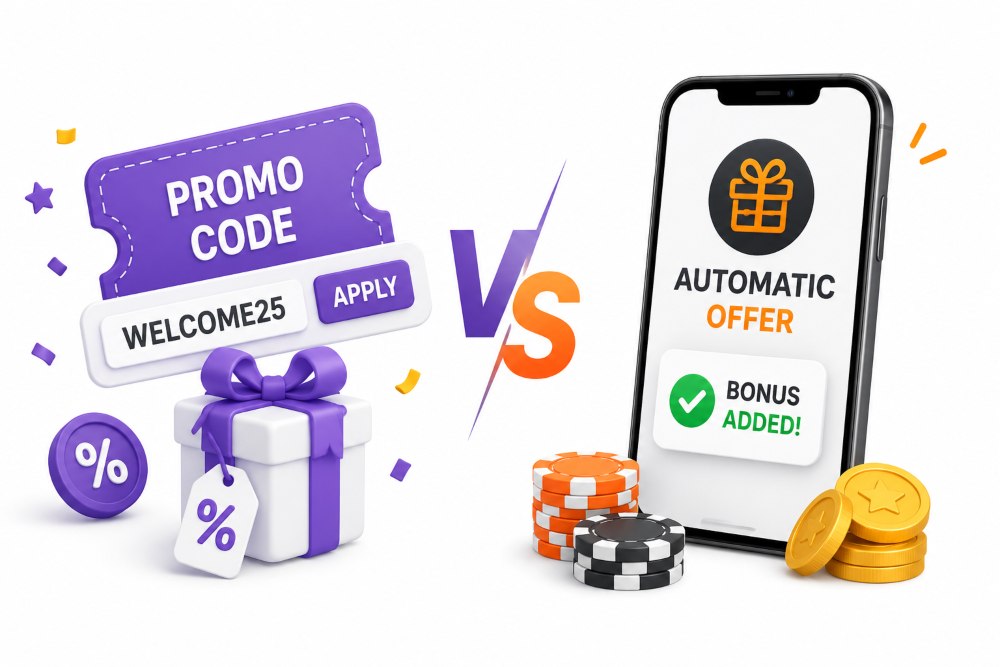
View all promo codes across a few casinos, and you will see two kinds of deals sitting side by side. Some ask for a code. Others fire on their own once you meet the conditions. The result is identical: a bonus that lands in your account either way, which raises the obvious point. If the automatic version is less effort, why do codes still pull people in?
Part of the answer is psychological. A 2026 article regarding promo codes found that a unique code makes people feel the discount is already theirs. That sense of ownership quietly transfers to the advertised product, building attachment before any money changes hands. It is a close cousin of the endowment effect, the well-documented tendency to value something more the moment it feels like ours (Kahneman, Knetsch, & Thaler, 1990). Typing a code is a small act of claiming, and claiming makes us want to follow through.
There is a satisfaction angle too. Working through a couple of extra steps, entering the code and watching it apply, can feel more deliberate than a bonus that appears. Automatic offers are frictionless, which is convenient but can also make you careless. Moreover, there is plain nostalgia. Codes were once the heart of the betting market, so some players still reach for them out of habit, and an offer with no code field to fill can feel oddly anonymous, even a touch untrustworthy, by comparison.
Exclusivity
One reason codes still matter is that many are exclusive. Affiliate sites, the pages that gather offers in one place, negotiate directly with casinos for deals you will not find anywhere else, sometimes with a custom code tied to their name. Use one, and you get an edge over someone who only ever visits the casino’s own site.
That exclusivity is usually what makes the extra steps worthwhile. To claim these, you normally enter the code in a dedicated field during sign-up, in the promotions area, or by asking live chat. Automatic exclusive offers exist too, reached through a special affiliate link. Either way, you will still register an account and pass the standard identity and age checks, plus email or phone verification, and deposit funds if the deal calls for it. Those steps are not busywork. They are how a licensed operator confirms you are a real adult playing legally, and skipping them is not an option on a regulated site.
Why Some Codes Do Not Work
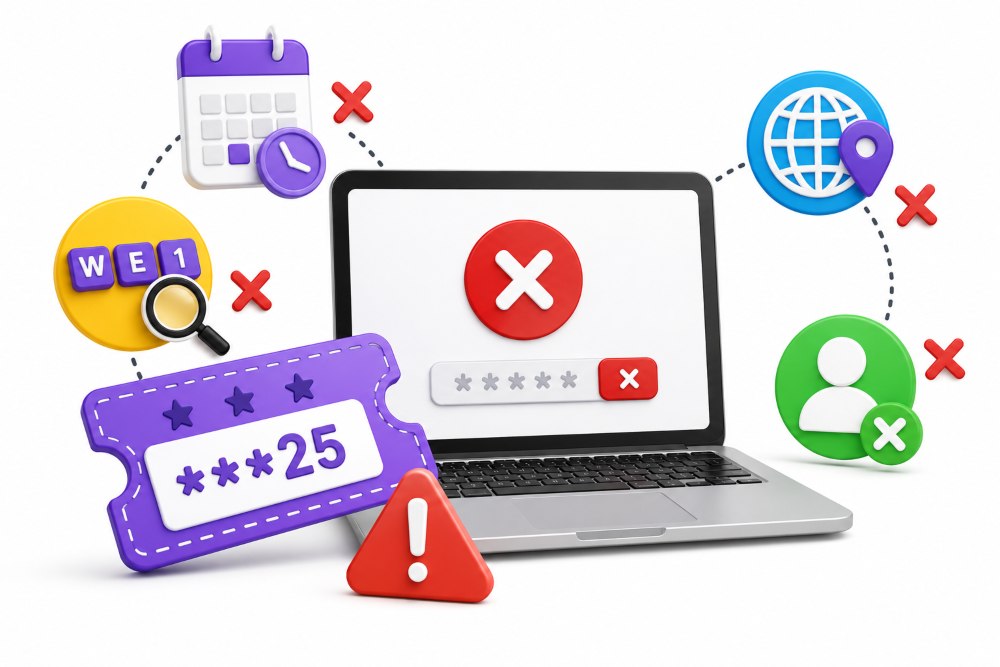
Sometimes you enter a code, and nothing happens. Usually the reason is mundane, and knowing the usual suspects saves the frustration:
- Expired offers. Most promotions carry an expiry date tucked into the bonus terms, which is exactly why it pays to read them before you get attached to a deal.
- Typos. These strings mix letters, numbers, and the occasional symbol, so a single wrong character breaks them. Copy and paste where you can, and check the code against its source.
- Regional limits. Casinos often release different codes by country, so an offer that worked for someone else may not be available where you are.
- Eligibility. Some codes are meant for new players and others for existing ones. Try to claim a sign-up offer on an established account, and it will bounce.
Final Thoughts
So, are casino promo codes worth the effort? Honestly, it depends on what you want from the experience. If you enjoy the small ritual of entering a code and the exclusivity that sometimes comes with it, the answer leans yes. If you would rather skip the steps, the automatic route gets you to the same bonus with less fuss.
The more important thing sits underneath that choice. A 2014 study on casino promotions and their impact on gambling consumption found that incentives can nudge some people to gamble more than they intended. The regulator’s own survey of players echoes it, with a share of gamblers saying free bets and bonuses pushed them past what they meant to spend. A bonus is still an inducement, and any inducement can tip into harm if you are not paying attention.
So treat the offer as the marketing it is. Take regular breaks, keep an eye on the clock, and set a firm budget before you start. Reputable casinos build in safer-gambling tools like deposit limits and reality checks, along with self-exclusion for when you need a real break, and they are worth using rather than leaving switched off; research associates tools like these with more controlled play, even though many players never turn them on (Auer & Griffiths, 2015; Gainsbury et al., 2019). The code is a nice-to-have. Staying in charge of the session is the part that actually matters.
Disclaimer
This article is for general informational purposes only and is not financial, legal, or gambling advice, nor an inducement to gamble. Gambling carries real financial risk and can become harmful. It is for adults of legal age in places where it is licensed, and only ever with money you can afford to lose. Bonus terms, availability, and regulations change and vary by region, so always read the current terms and confirm a promotion applies to you before claiming it. If gambling is affecting you or someone you know, free and confidential help is available: in the United States you can reach the National Council on Problem Gambling, in the United Kingdom GambleAware, and equivalent services operate in most countries. Any brands or affiliate sites named above are referenced for illustration and are not endorsements, and external links point to third-party sites we do not control.
References
- Auer, M., & Griffiths, M. D. (2015). Assessing the effectiveness of a responsible gambling behavioural feedback tool for reducing the gambling expenditure of at-risk players. International Gambling Studies. https://doi.org/10.1080/14459795.2015.1049191
- Gainsbury, S. M., Angus, D. J., Procter, L., & Blaszczynski, A. (2019). Use of consumer protection tools on Internet gambling sites: Customer perceptions, motivators, and barriers to use. Journal of Gambling Studies. https://doi.org/10.1007/s10899-019-09859-8
- Hing, N., Cherney, L., Blaszczynski, A., Gainsbury, S. M., & Lubman, D. I. (2014). Do advertising and promotions for online gambling increase gambling consumption? An exploratory study. International Gambling Studies, 14(3), 394–409. https://doi.org/10.1080/14459795.2014.903989
- Kahneman, D., Knetsch, J. L., & Thaler, R. H. (1990). Experimental tests of the endowment effect and the Coase theorem. Journal of Political Economy, 98(6), 1325–1348. https://doi.org/10.1086/261737
- Kučinskas, G. (2026). It feels like mine: How promo codes foster psychological ownership and transfer it to advertised products. SSRN working paper. https://doi.org/10.2139/ssrn.6707158