
Blog
Why Weather-Ready Buildings Matter for Canadian Gaming Venues

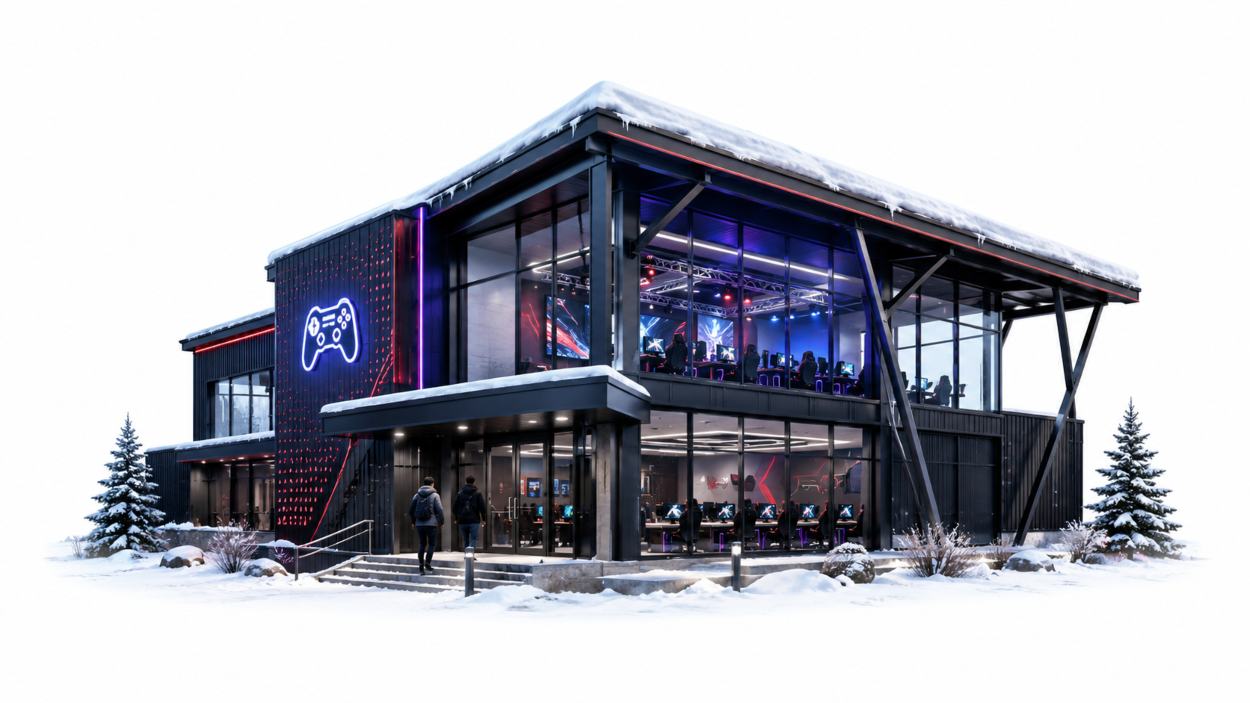
A gaming venue is more than a room filled with screens, consoles, PCs, and chairs. It is a space where people spend hours playing, watching, streaming, competing, and socialising. In Canada, the building itself has to do more than look good. It has to deal with heavy snow, freezing temperatures, moisture, wind, power-heavy equipment, and long indoor sessions.
This matters for esports arenas, gaming lounges, arcade centres, VR rooms, content studios, and community gaming spaces. A weak building can create problems that affect comfort, safety, equipment, and business operations. For anyone comparing steel buildings Canada for a gaming facility, the real question is not only what the structure costs. The bigger question is how well it supports the gaming experience in Canadian weather.
Gaming Spaces Depend on Building Stability
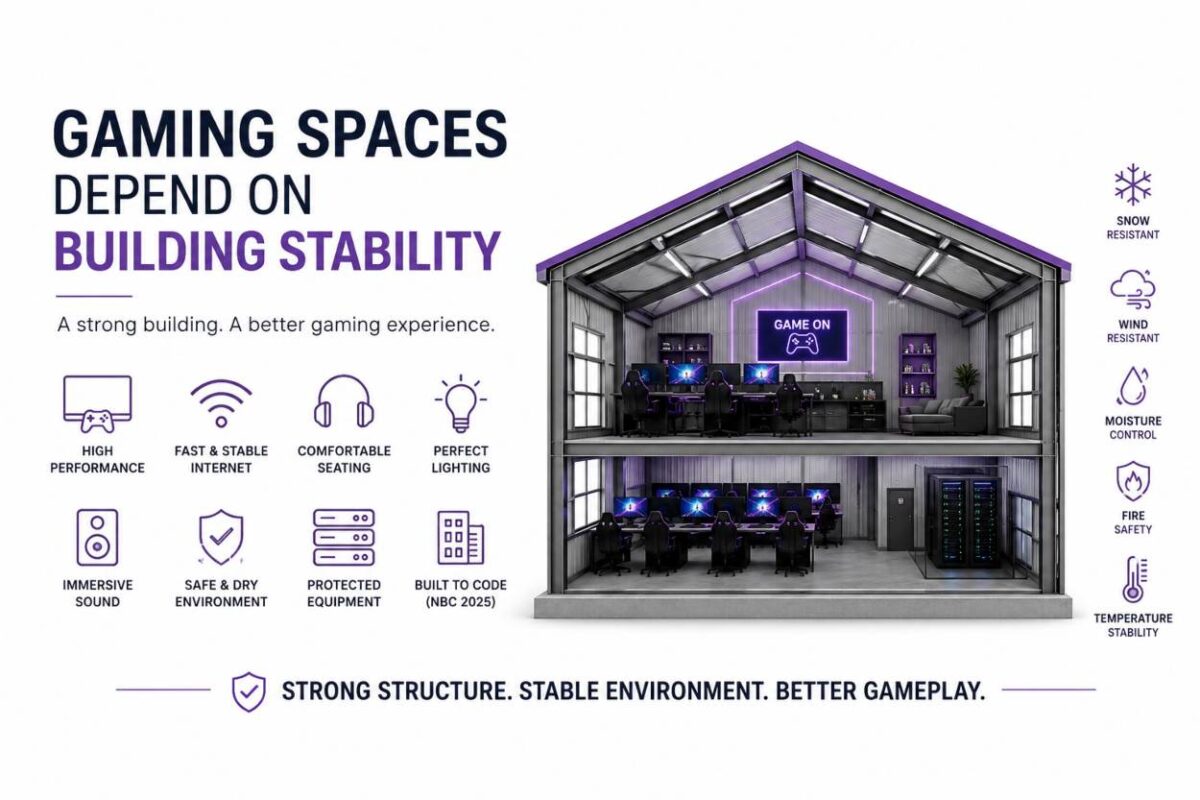
Players usually notice the obvious things first. They care about screen quality, input response, seating comfort, internet speed, lighting, and sound. Behind all of that, the building has to support a stable environment.
A gaming venue often contains expensive equipment. Gaming PCs, consoles, monitors, routers, servers, headsets, cameras, lights, streaming tools, and charging stations all depend on dry, safe, and controlled indoor conditions. If the building struggles with drafts, leaks, dampness, or weather damage, the gaming experience suffers.
Canadian building planning must also consider local code requirements. The National Building Code of Canada 2025 is a useful reference point because it shows how seriously structure, safety, and regional conditions matter in Canadian construction. Local rules may still vary by province, territory, or municipality, but the main lesson is simple. Gaming spaces should be planned as real performance environments, not just decorated rooms.
Heavy Snow Can Disrupt Events and Operations
Snow is one of the biggest structural challenges in many Canadian regions. A gaming lounge or esports venue may host weekend tournaments, birthday bookings, school club events, team practice sessions, or streaming nights. If heavy snow creates roof stress, leaks, access issues, or safety concerns, the venue can lose valuable operating days.
This is why roof design matters. Snow not only affects the outside of a building. It can affect the business inside. A closure during peak winter demand may mean cancelled events, refund requests, missed community engagement, and damage to customer trust.
The National Research Council Canada has published guidance around structural design topics, including snow, rain, and wind loads, through its Structural Commentaries for the National Building Code. For gaming venue owners, the practical takeaway is clear. Snow load is not a small technical detail. It is part of keeping the venue usable, safe, and reliable during winter.
Moisture Control Protects More Than the Walls
Moisture is a quiet threat in gaming spaces. A damp building can affect flooring, wall finishes, furniture, storage areas, cables, and equipment. It can also make the space feel uncomfortable for players and staff.
Canada’s freeze and thaw cycles make this problem more serious. When temperatures move above and below freezing, some materials expand, contract, crack, or trap moisture. Over time, this can create repair costs and indoor comfort issues.
A gaming venue needs a dry interior because electronics and damp conditions are a bad mix. Controllers, headsets, keyboards, cables, monitors, network equipment, and storage boxes all benefit from a clean and stable environment. Good building design, proper drainage, insulation, ventilation, and maintenance all work together to reduce moisture problems.
The Canadian Centre for Occupational Health and Safety explains that poor indoor air quality can be linked to issues such as inadequate temperature, humidity problems, dust, vapours, odours, and lack of fresh air. For gaming spaces where people may stay indoors for long sessions, this is especially important.
Temperature Control Affects Player Comfort
Gaming sessions can last for hours. In esports and competitive gaming, comfort is not a luxury. It can affect focus, patience, reaction, and the overall experience.
Canadian weather can shift sharply. A venue may need to handle freezing nights, mild afternoons, sudden cold snaps, and warm indoor crowds during events. If the building envelope is weak, players may feel drafts, cold spots, overheating, or uneven temperatures across the room.
A well-planned structure supports insulation, sealed openings, proper heating, and controlled ventilation. This helps the venue feel consistent from one area to another. It also helps protect equipment rooms, streaming booths, and server areas where temperature management matters.
The CCOHS ventilation resource explains that ventilation brings in fresh outdoor air and removes contaminated indoor air. In gaming venues, ventilation should be considered alongside heating and cooling because comfort, air quality, and equipment performance are all connected.
Fire Safety Is Important in Tech-Heavy Venues
Gaming venues use a lot of electrical equipment. A small lounge may have dozens of devices running at once. A larger esports centre may include PC rows, monitors, consoles, lighting, audio systems, streaming desks, routers, servers, charging areas, and display screens.
This makes fire safety planning essential. Good wiring, proper load management, safe cable routing, working alarms, emergency exits, and regular inspections are all important. The building material is only one part of the wider safety plan, but it still matters.
Steel is often valued because it is non-combustible. The Canadian Institute of Steel Construction describes its role in supporting steel construction knowledge, codes, standards, technical expertise, and industry development in Canada. For gaming facility owners, the benefit is practical. A structure that supports safer planning can help reduce risk in a space filled with electronic equipment.
Health Canada also provides general guidance on fire safety, including smoke alarms, electrical products, and fire prevention habits. While that page is aimed at homes, the safety mindset applies broadly. Buildings that contain many powered devices should never treat fire planning as an afterthought.
Wind and Storms Can Affect Venue Reliability
Gaming businesses depend on reliability. If a venue is known for closing every time the weather becomes rough, customers may stop trusting its schedule. This can hurt tournaments, private bookings, team practice sessions, and regular walk-in traffic.
Wind and storm exposure can be a bigger issue for venues in open areas, industrial zones, rural communities, or recreation districts. Strong framing, secure doors, good roofing, and proper wall systems help keep the venue protected when conditions change.
Environment and Climate Change Canada notes that extreme weather can include heat waves, extreme cold, heavy rainfall, and wildfires through its extreme weather event attribution work. For gaming venue planning, this reinforces the need to think beyond normal weather. A building should be ready for real seasonal pressure.
Open Layouts Help Esports, VR, and Arcade Design
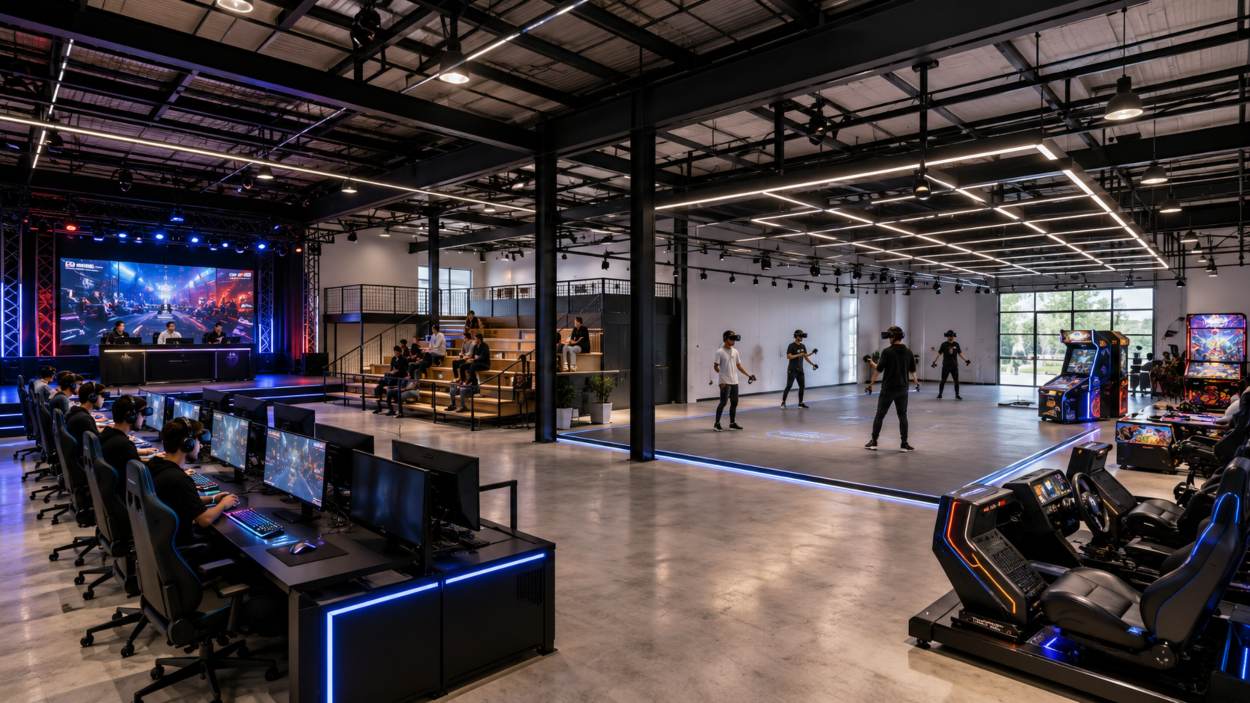
Gaming spaces need flexible layouts. A standard retail-style room does not always work. Esports setups may need team stations, spectator seating, broadcast desks, camera space, and cable management. VR rooms need open floor areas where players can move safely. Arcade centres need room for machines, walkways, lighting, and maintenance access.
A strong structure with an open interior space gives owners more freedom. It allows the venue to adapt as gaming trends change. A business may begin with console gaming and later add simulator racing, VR rooms, arcade cabinets, streaming booths, or competitive gaming stations.
This flexibility matters because gaming is not static. Equipment changes, player expectations change, and event formats change. A venue that can adapt without major structural disruption has a better chance of staying useful over time.
Storage and Back-End Space Should Not Be Ignored
Many gaming venues look simple from the customer side, but they need serious back-end organisation. Extra controllers, cables, headsets, monitors, chairs, signage, cleaning supplies, spare parts, lighting, routers, event materials, and repair tools all need storage.
Without proper storage, the public area can become messy and unsafe. Cables may be left in the wrong places. Spare gear may be damaged. Staff may waste time looking for basic items during events.
Weather-ready storage is also important. Equipment that sits in a cold, damp, or poorly insulated area can wear out faster. A good building plan should include secure, dry, organised storage from the beginning.
Climate Resilience Is Becoming Part of Business Planning
Canadian businesses are paying more attention to climate resilience. This does not only apply to roads, bridges, schools, or public buildings. It also matters for private venues that rely on steady operations.
The Government of Canada’s Adaptation Action Plan discusses the need to build resilience in communities, businesses, and infrastructure. For gaming venue owners, the lesson is practical. Weather disruption can affect revenue, safety, insurance planning, customer experience, and long-term repair costs.
A gaming space that is built only for today’s needs may become expensive to maintain later. A venue that considers snow, moisture, wind, fire safety, indoor comfort, and layout flexibility from the start is better prepared for the future.
Final Considerations
A gaming venue in Canada should not be planned like a basic room with equipment inside. It should be planned as a technology-heavy indoor environment that needs comfort, safety, weather protection, storage, flexible layouts, and reliable access through changing seasons.
Steel construction can make sense in this context because it supports strength, open layouts, low maintenance, and long-term durability. These qualities are useful for esports venues, gaming lounges, arcade centres, VR rooms, content studios, and community gaming spaces.
Before choosing any building system, owners should speak with qualified professionals. Local snow load requirements, fire safety rules, electrical planning, insulation needs, ventilation, permits, zoning, and accessibility may vary by location. A good gaming venue is not only designed for players. It is designed for weather, safety, staff, maintenance, and future growth.
Disclaimer
This article is for general informational purposes only. It should not be taken as professional construction, engineering, legal, insurance, fire safety, or building code advice. Requirements for gaming venues, commercial spaces, steel structures, electrical systems, snow load design, ventilation, and fire safety can vary across Canada.
Before starting any construction or renovation project, consult licensed engineers, contractors, electricians, local building officials, fire safety professionals, and other qualified experts. Always confirm that the design, materials, permits, and installation methods meet the rules and needs of the specific location and building use.