
Blog
Why Recognition and Achievement Matter in Gaming Workplaces

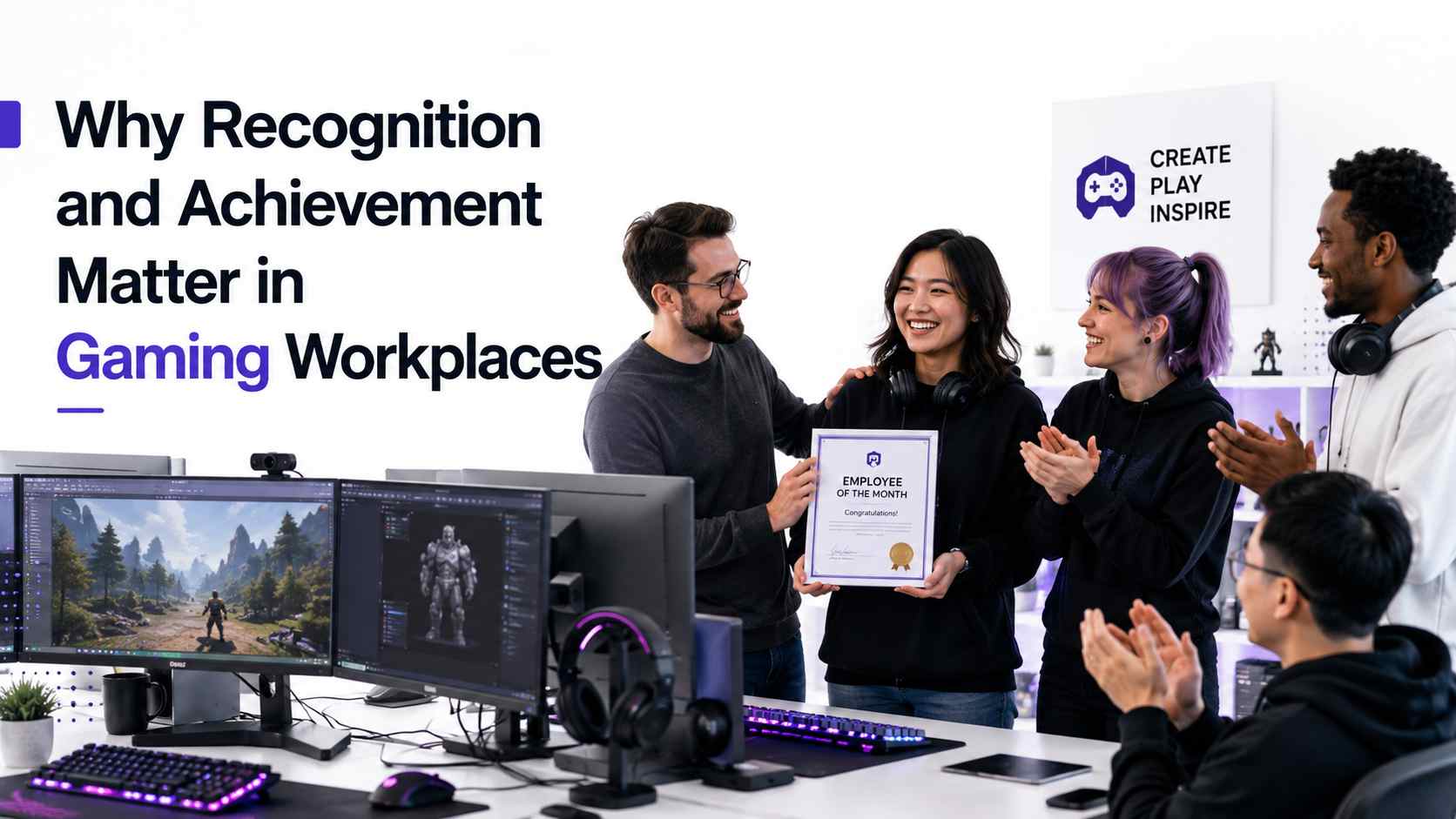
The gaming industry runs on creativity, pressure, teamwork, and constant problem-solving. A finished game, esports event, platform update, or live service campaign may look smooth on the outside, but behind the scenes are designers, developers, artists, testers, writers, producers, community teams, and support staff doing detailed work under tight deadlines.
In many gaming workplaces, the pace can be intense. Launch dates shift, bugs surface late, player feedback arrives quickly, and teams often work across different time zones. In this kind of environment, motivation cannot depend only on salary, perks, or exciting projects. People also need to feel that their effort is noticed.
Recognition matters because employees do not only want to complete tasks. They want to know their work has value. When people feel ignored, they may still finish the job, but they are less likely to bring fresh ideas, extra care, or long-term loyalty.
Real Reason Recognition Drives Motivation
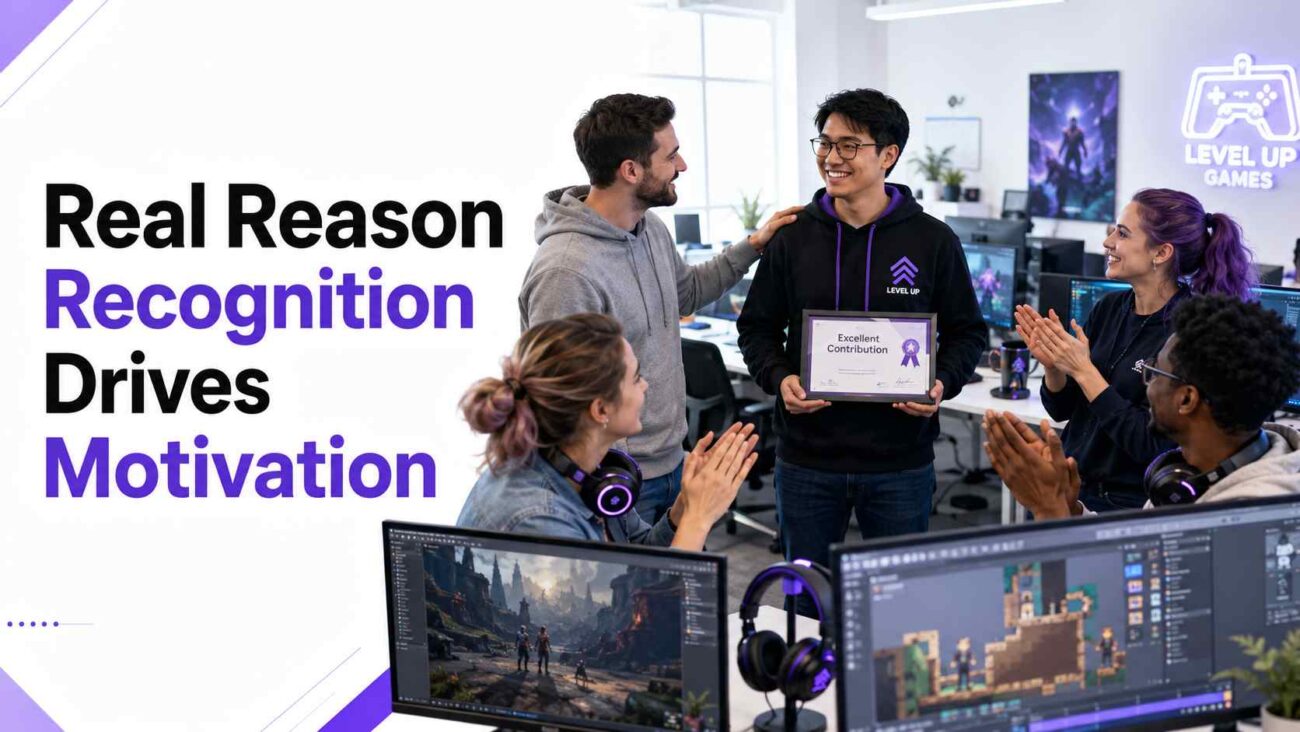
Recognition works because it connects effort with meaning. A developer who fixes a difficult performance issue, a QA tester who catches a serious launch bug, or a community manager who handles player concerns with patience may not always be visible to leadership. If that work is never acknowledged, the message is simple: only the final result matters.
That can damage morale over time.
Research from Gallup has shown that employees who receive meaningful recognition are often significantly more engaged at work. In practical terms, that means they are more likely to care about quality, support their teammates, and stay connected to the company’s goals.
In gaming companies, this is especially important because creative work depends on emotional energy. A team cannot build memorable player experiences if the people building them feel unseen.
What Recognition Really Means
Recognition is not just saying “good job” at the end of a project. Strong recognition is specific, timely, and connected to real contribution.
For example, instead of saying:
- “Thanks for your hard work.”
A manager could say:
- “Your extra testing on the matchmaking issue helped us avoid a major player frustration at launch. That attention to detail protected the player experience.”
The second version is more powerful because it tells the employee exactly what matters and why.
Why Recognition Matters in Gaming Teams
Gaming workplaces often include hybrid teams, remote workers, freelancers, contractors, and cross-department collaboration. A designer may work with engineers in one country, artists in another, and marketing teams in yet another. In this setup, appreciation can easily become quick, casual, and forgettable.
A short message in Slack helps, but it is not always enough.
Gaming teams need recognition systems that make achievement visible. This can include public praise, private feedback, team awards, milestone celebrations, and career growth opportunities.
Recognition Helps Reduce Burnout
Burnout is common in fast-moving creative and technical industries. Long development cycles, urgent patches, live updates, and community pressure can wear people down. Recognition cannot fix poor planning or unhealthy workloads, but it can help people feel that their effort is not being taken for granted.
When employees know their contribution is valued, stressful periods feel less empty. They can see that their work has purpose.
Recognition Improves Team Trust
Trust grows when people feel respected. If only senior leaders or loud voices receive praise, quieter team members may feel invisible. This can create resentment and reduce collaboration.
A healthy recognition culture looks for different types of contributions, such as:
- Solving technical problems
- Supporting junior employees
- Improving player experience
- Handling difficult feedback
- Meeting deadlines without sacrificing quality
- Creating strong documentation
- Helping other departments succeed
This shows the team that achievement is not limited to a single role or personality type.
A Practical Recognition Framework for Gaming Workplaces
Recognition becomes stronger when it is built into the work culture rather than reserved for rare events. Gaming companies can use a simple framework to make appreciation more consistent.
1. Recognize Effort Before the Final Result
Not every project becomes a hit. Not every feature launches exactly as planned. But effort, learning, and problem-solving still matter.
A team that only celebrates commercial success may miss the daily actions that make future success possible. Leaders should recognize the work that protects quality, improves processes, and supports long-term growth.
2. Make Recognition Specific
Generic praise feels weak. Specific praise feels real.
Instead of recognizing someone for “great teamwork,” explain what they did. Did they help a new teammate understand the engine pipeline? Did they improve communication between art and development? Did they stay calm during a difficult player support issue?
Specific recognition helps people understand which behaviors the company truly values.
3. Use Both Public and Private Recognition
Some employees enjoy public praise. Others may prefer a private message or a one-to-one conversation. The best approach is to use both.
Public recognition helps build culture. Private recognition helps build personal confidence. A thoughtful manager knows when each one is appropriate.
4. Celebrate Milestones With Meaning
Milestone recognition can include work anniversaries, project launches, leadership achievements, tournament wins, or successful updates. These moments deserve more than a quick message because they represent time, effort, and growth.
For formal recognition, companies can use personalized plaques, crystal awards, or engraved corporate awards from Fine Awards to make major achievements feel memorable and lasting.
A physical award can carry emotional value because it becomes a visible reminder of contribution. It tells the employee that their work was not only useful in the moment but also important enough to be remembered.
Original Recognition Scorecard for Gaming Teams
Gaming companies can use this simple scorecard to check whether their recognition culture is strong or weak.
| Recognition Area | Weak Practice | Strong Practice |
|---|---|---|
| Timing | Praise comes weeks or months late | Recognition happens soon after the contribution |
| Detail | Praise is vague | Praise explains the exact action and impact |
| Fairness | Only senior or visible roles are noticed | All departments and contribution types are included |
| Personalization | Everyone receives the same message or award | Recognition fits the person and achievement |
| Consistency | Appreciation happens only at annual reviews | Recognition is part of regular team culture |
| Visibility | Achievements stay hidden | Wins are shared in meetings, newsletters, or team channels |
| Follow Through | Recognition has no career connection | Strong contribution supports growth, trust, and opportunity |
If a company is weak in three or more areas, recognition may feel random or performative. If it is strong in most areas, employees are more likely to feel respected and connected.
How Personalized Recognition Shapes Culture
Recognition shapes culture because it tells people what the company truly values. If only speed is rewarded, people may rush. If only big launches are rewarded, smaller but important work may be ignored. If only leaders are celebrated, support roles may feel less important.
Personalized recognition helps correct this problem. It allows companies to celebrate different forms of excellence.
A game artist may be recognized for visual detail. A producer may be recognized for maintaining clear communication. A QA tester may be recognized for protecting the player experience. A support team member may be recognized for handling difficult conversations with professionalism.
These examples show employees that culture is not just about output. It is also about care, skill, patience, and teamwork.
Recognition Builds Belonging
Slogans do not create belonging. It is created by repeated moments where people feel included and valued.
When employees feel they belong, they are more likely to share ideas, ask questions, admit problems early, and support others. This is especially important in gaming, where creative risk-taking and technical problem-solving depend on open communication.
A workplace where people feel safe to speak up is more likely to catch problems early and build better products.
Mistakes Gaming Companies Should Avoid
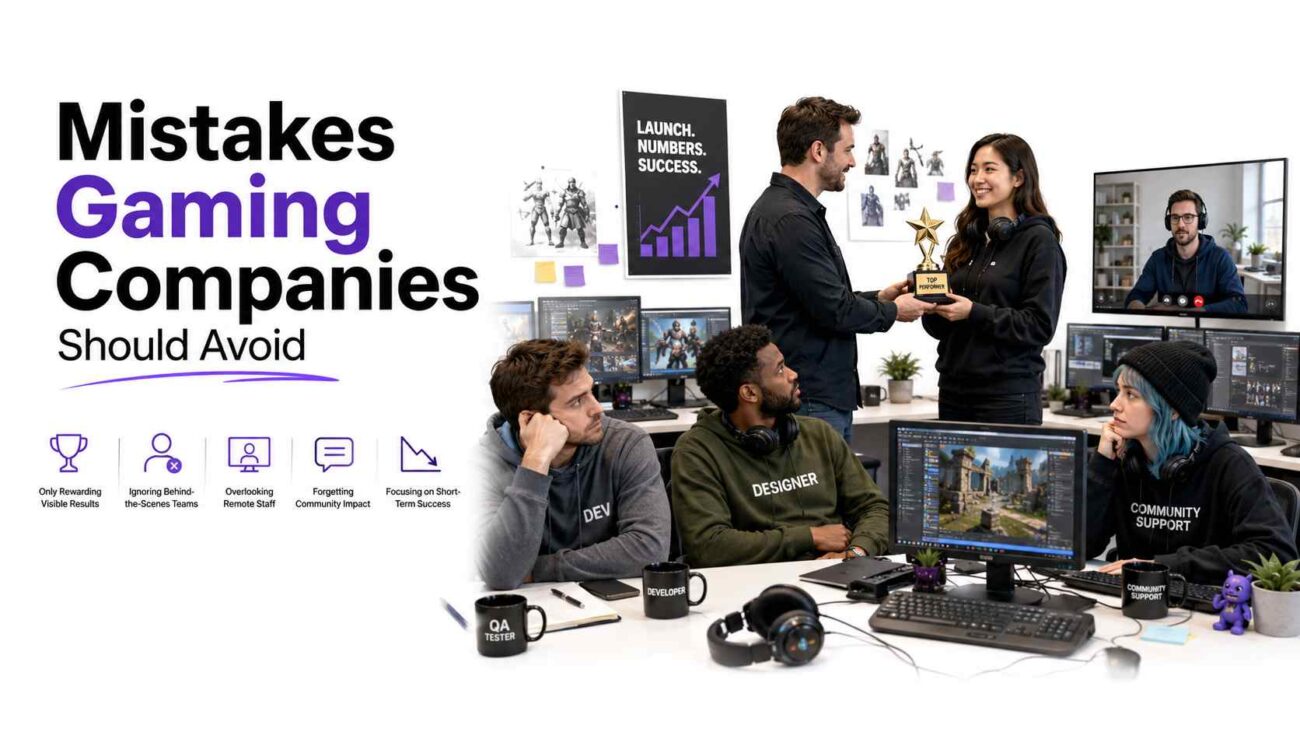
Recognition can lose value when it feels forced or unfair. A rushed award, copied message, or public announcement with no real thought behind it may do more harm than good.
Common Mistakes
- Recognizing only managers and ignoring the behind-the-scenes teams
- Waiting until annual reviews to appreciate employees
- Giving the same generic award to everyone
- Praising overtime instead of smart and sustainable work
- Ignoring remote employees
- Celebrating results without recognizing the process
- Using recognition to cover up poor workplace planning
Good recognition should never be used as a replacement for fair pay, a healthy workload, or strong leadership. It should support those things, not hide their absence.
Recognition Ideas for Gaming Workplaces
Gaming companies can make recognition more meaningful by matching it to the work environment.
Helpful Recognition Ideas
- “Bug Saver” recognition for QA team members who catch serious issues
- “Player Experience Champion” for support or community staff
- “Creative Problem Solver” for employees who fix difficult design or technical challenges
- “Launch Team Award” for cross-departmental project success
- “Mentor Recognition” for employees who help juniors grow
- “Behind the Scenes Impact” for quiet but essential work
- “Milestone Achievement Award” for long-term service or leadership growth
These ideas work because they connect recognition to real workplace behavior. They also show that every department plays a role in success.
Why Recognition Still Matters More Than Ever
The gaming industry keeps changing. New tools, AI workflows, player expectations, platform updates, and global competition are reshaping how teams work. But one thing has not changed: people still want to know their work matters.
Employees may accept pressure for a meaningful goal, but they are less likely to remain loyal when their efforts are ignored. Recognition gives people a reason to care beyond the task list. It helps turn work into contribution.
For gaming companies, this is not a small workplace detail. It is part of building stronger teams, better morale, and more sustainable performance.
Final Thoughts
Recognition is one of the simplest ways to strengthen a gaming workplace, but only when it is done with care. A quick thank you can help, but thoughtful recognition goes deeper. It shows people that their skills, effort, and character are seen.
Gaming companies that recognize achievement consistently are more likely to build teams that stay motivated, creative, and loyal. In an industry built on imagination and teamwork, that kind of culture can become a real advantage.