
Blog
Making Room for Play in Your Routine: A Practical Guide to Bringing Joy Back into Adult Life

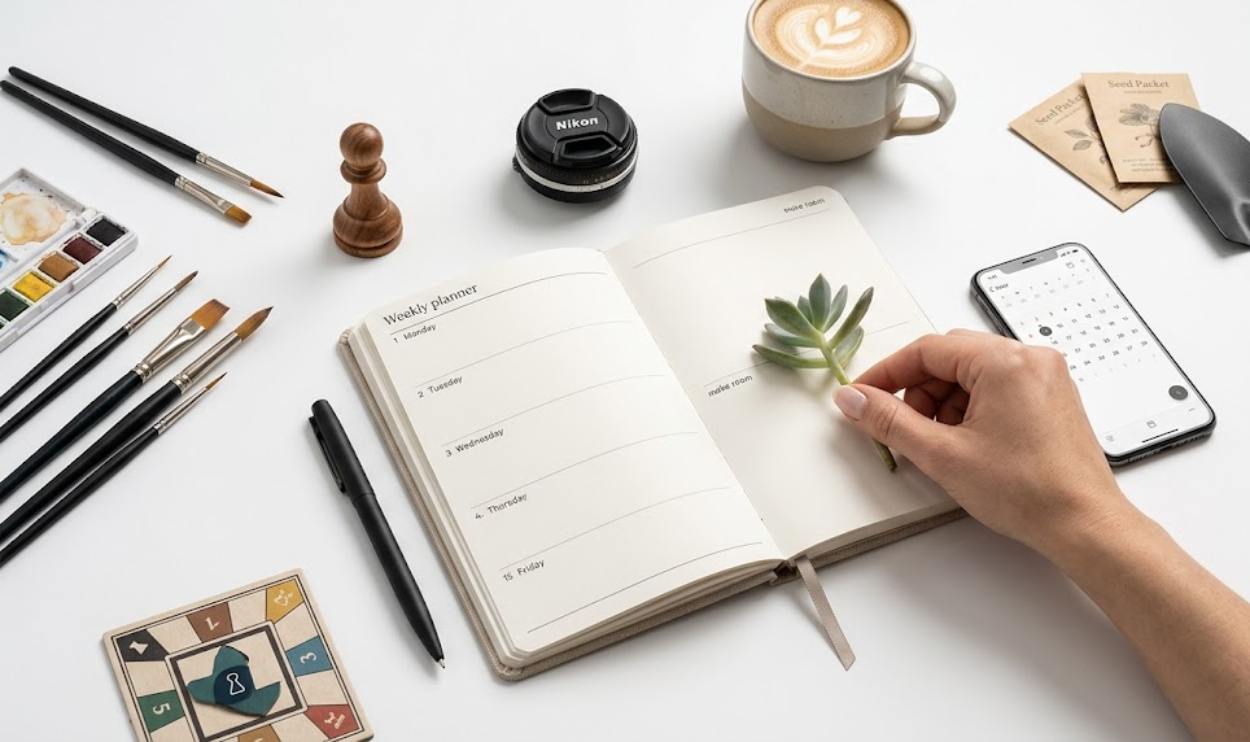
It is easy to fall into the trap of believing that every minute of your day must be productive. Between work deadlines, family duties, and the endless household to-do list, simply playing for the sake of playing can start to feel like a guilty pleasure you cannot afford. The truth is, play is not a reward for finishing your responsibilities. It is one of the simplest ways to recharge your mind, soften daily stress, and remind yourself that life is meant to be enjoyed, not just managed.
Why Play Matters More Than You Think
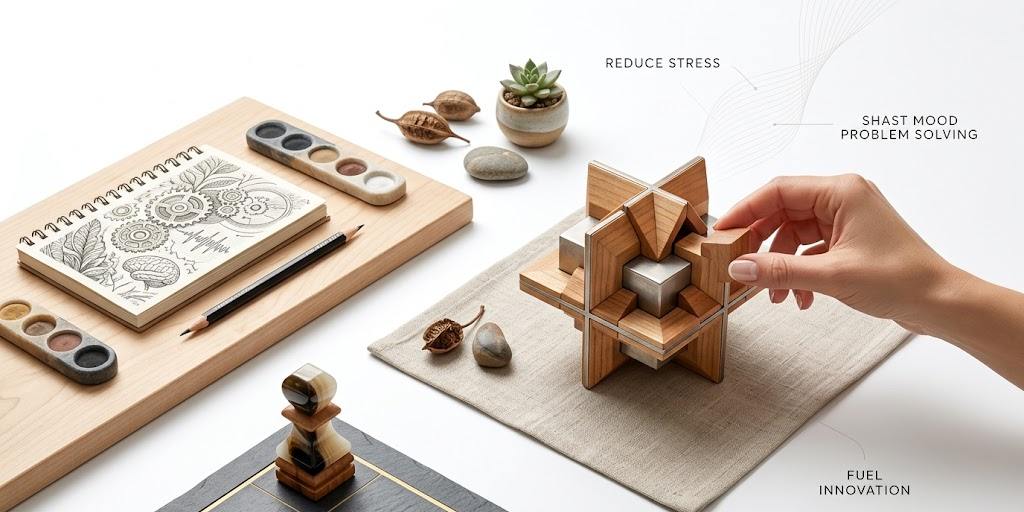
Most of us were told as children that play was important. Then somewhere along the way, that message faded. Research now shows that adults need play just as much. According to the American Psychological Association, playful activity helps lower stress hormones, improves mood, and even sharpens problem-solving. In other words, play is not the opposite of productivity. It is one of the things that fuels it.
Mental Health Benefits
Play gives your brain permission to switch gears. When you laugh during a board game or get lost in a creative challenge, your nervous system shifts out of constant alert mode. Harvard Health Publishing has highlighted that adults who make time for unstructured fun often report lower levels of anxiety, better sleep, and stronger feelings of connection with the people around them.
Physical Benefits
When play involves movement, the benefits stack up quickly. Even moderate activity supports heart health, muscle strength, and balance. The World Health Organization recommends at least 150 minutes of moderate aerobic activity per week for adults. Turning some of that into play, rather than another item on a checklist, makes it far easier to keep going.
Physical Activity and Digital Games
Play does not look the same for everyone, and that is part of its charm. Some people find joy in pounding the pavement on an early morning run. Others would rather settle in with a controller after a long day. Both are valid. Both can give you the same emotional lift if you let them.
Power of Traditional Physical Play
Activities like walking, cycling, swimming, or playing tennis pull you outside and into the moment. Fresh air, sunlight, and the rhythm of movement do something digital screens cannot. The NHS offers a long list of free ways to stay active, from brisk walks in your local park to community sports nights. Many of these double as social opportunities, which adds another layer of reward.
Rise of Digital Play
Digital play has earned its seat at the table. Online activities like arcade games online encourage you to think strategically, react quickly, and make decisions under gentle pressure. That kind of mental workout has its own value, especially for adults who spend most of the day on tasks that feel repetitive. Whether you are cycling through a virtual landscape or chasing a high score, digital games can offer real cognitive and emotional rewards.
How to Incorporate Play Into Your Routine
The best play is the kind you actually do. That means choosing activities that fit your personality, your space, and your energy levels. Here are a few entry points worth considering.
Old School Games Still Hold Their Charm
Card games, board games, puzzles, and dominoes have stuck around for a reason. There is something special about sitting across from another person, shuffling a deck, and laughing over a small victory. The tangible nature of these games slows you down and pulls everyone into the same room, which is rare in a world full of separate screens.
Modern Gaming Platforms Open New Worlds
If you prefer something more immersive, playing on a games console brings you into worlds with stunning graphics, deep stories, and friends who might be on the other side of the planet. The variety today is staggering. From cosy farming simulators to fast-paced shooters, you can pick a tone that matches your mood. The point is not how serious the game is. It is whether playing it makes you smile.
Creative and Artistic Play
Play does not have to involve a game at all. Sketching, baking a new recipe, learning a few chords on a guitar, or rearranging a corner of your living room can all count. Psychology Today describes play as any activity done for its own sake, with no goal beyond enjoyment. By that definition, almost anything you find genuinely fun qualifies.
Finding Balance with a Consistent Routine
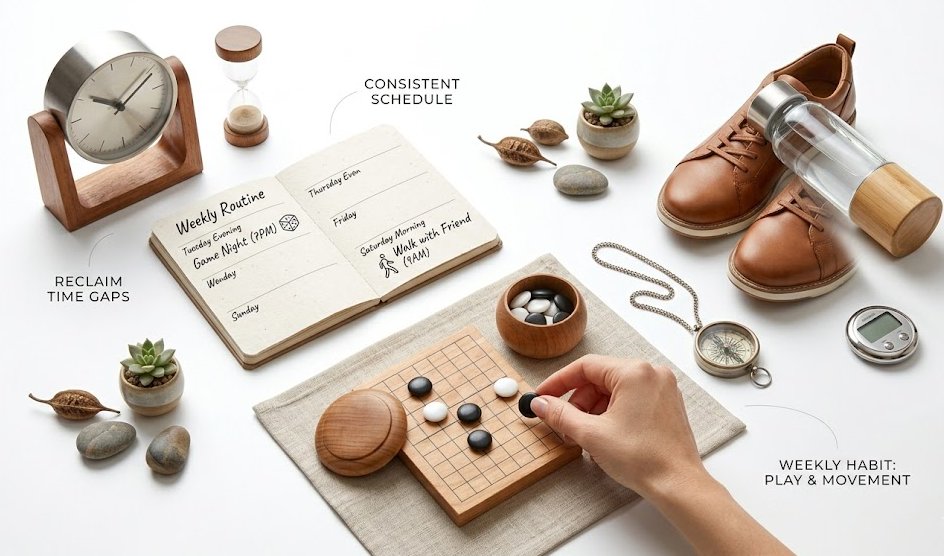
Play works best when it is reliable. A single weekend of fun is wonderful, but the deeper benefits show up when play becomes part of your week. Start by taking an honest look at your schedule. Are there pockets of time you are filling with low-value scrolling? Could thirty minutes after dinner be redirected toward something more nourishing?
Once you find those gaps, give them a name. Tuesday evenings could be game night. Saturday mornings could be when you join a local sports club or meet a friend for a regular walk. You can even map it all out in something like a custom calendar maker so it actually feels structured instead of just “I’ll try my best” energy. Sticking to the same time each week removes the daily decision-making and helps the habit lock in. Within a month, that slot becomes something you protect rather than skip.
A Sample Weekly Play Schedule
If you are not sure where to begin, the table below gives you a flexible starting point. Adjust the activities to match your interests, but try to keep the total mix of physical, social, and quiet play.
| Day | Suggested Play Activity | Approximate Time |
| Monday | Evening walk in your neighbourhood | 30 to 45 minutes |
| Tuesday | Family or friend board game night | 60 minutes |
| Wednesday | Console or online arcade gaming session | 45 minutes |
| Thursday | Creative play such as cooking, sketching, or music | 30 minutes |
| Friday | Social outing with friends | 90 minutes |
| Saturday | Sports club, hike, or cycling session | 60 to 90 minutes |
| Sunday | Quiet play such as puzzles or reading | As long as you like |
How to Play Safely Across Every Activity
Play should leave you feeling better, not worse. A small amount of preparation goes a long way, both in physical activities and in digital ones. Treat safety as part of the fun rather than an afterthought.
Physical Safety Basics
If you are cycling, skating, or trying any contact sport, the right gear matters more than people admit. Helmets, knee pads, sturdy shoes, and reflective clothing for evening activities can prevent the kind of injuries that take weeks to heal. The Centers for Disease Control and Prevention has clear guidance on choosing helmets for different activities, and the basics also apply to skateboarding, scootering, and rollerblading. Warm up before vigorous activity and stay hydrated, especially in warmer climates.
Digital Safety Considerations
Online play comes with its own set of considerations. Stick to reputable platforms, set strong privacy controls, and avoid sharing personal information with strangers in chat features. Resources like the National Cyber Security Centre provide simple steps for protecting your account and personal data while gaming. Setting time limits is also wise. Even the most enjoyable game stops being playful if it pushes out sleep or other parts of your life.
Safety Essentials at a Glance
| Type of Play | Safety Essential | Why It Matters |
| Cycling | Helmet, lights, reflective gear | Reduces head injury risk and improves visibility |
| Skateboarding or rollerblading | Helmet, knee pads, wrist guards | Protects joints during falls |
| Team sports | Proper footwear and warm up | Prevents sprains and muscle strains |
| Online gaming | Strong passwords and privacy settings | Keeps your account and data secure |
| Console gaming | Time limits and screen breaks | Protects eyes and supports better sleep |
| Hiking or outdoor walking | Sun protection, water, sturdy shoes | Reduces dehydration and foot injuries |
Reclaiming the Joy of Play in Everyday Life
Play is not about doing more. It is about feeling more. It is the giggle that escapes during a card game, the quiet pride of solving a tricky puzzle, the rush of finishing a level you have been stuck on for days. These small bursts of joy are what carry you through the heavier parts of life.
When you make space for play, you are not stealing time from real life. You are reminding yourself what real life is for. The Mayo Clinic has long pointed out that laughter and lighthearted activity are some of the most effective stress relievers available. Best of all, they cost nothing.
Final Thoughts
If your week feels heavy, that may be the clearest sign that you need more play, not less. Start small. Pick one activity from this guide, set a regular time for it, and protect that time the way you would protect any important meeting. Within a few weeks, you will notice the difference, not just in your mood but in how you show up for everything else.
Whether you laugh over a board game, lose an afternoon to a console adventure, or spend an hour in an online arcade, the message is the same. Play is not a luxury. It is a quiet, joyful kind of medicine, and it belongs in your routine.
Disclaimer
This article is planned for general informational and lifestyle purposes only. It does not constitute medical, psychological, or professional advice. If you have an existing health condition, are recovering from injury, or have concerns about your physical or mental well-being, please consult a qualified healthcare provider before starting a new activity. Online gaming should always be enjoyed responsibly, within your means, and in line with the terms of service of the platforms you use.