
Blog
How Smartphones Changed The Way We Relax After Work

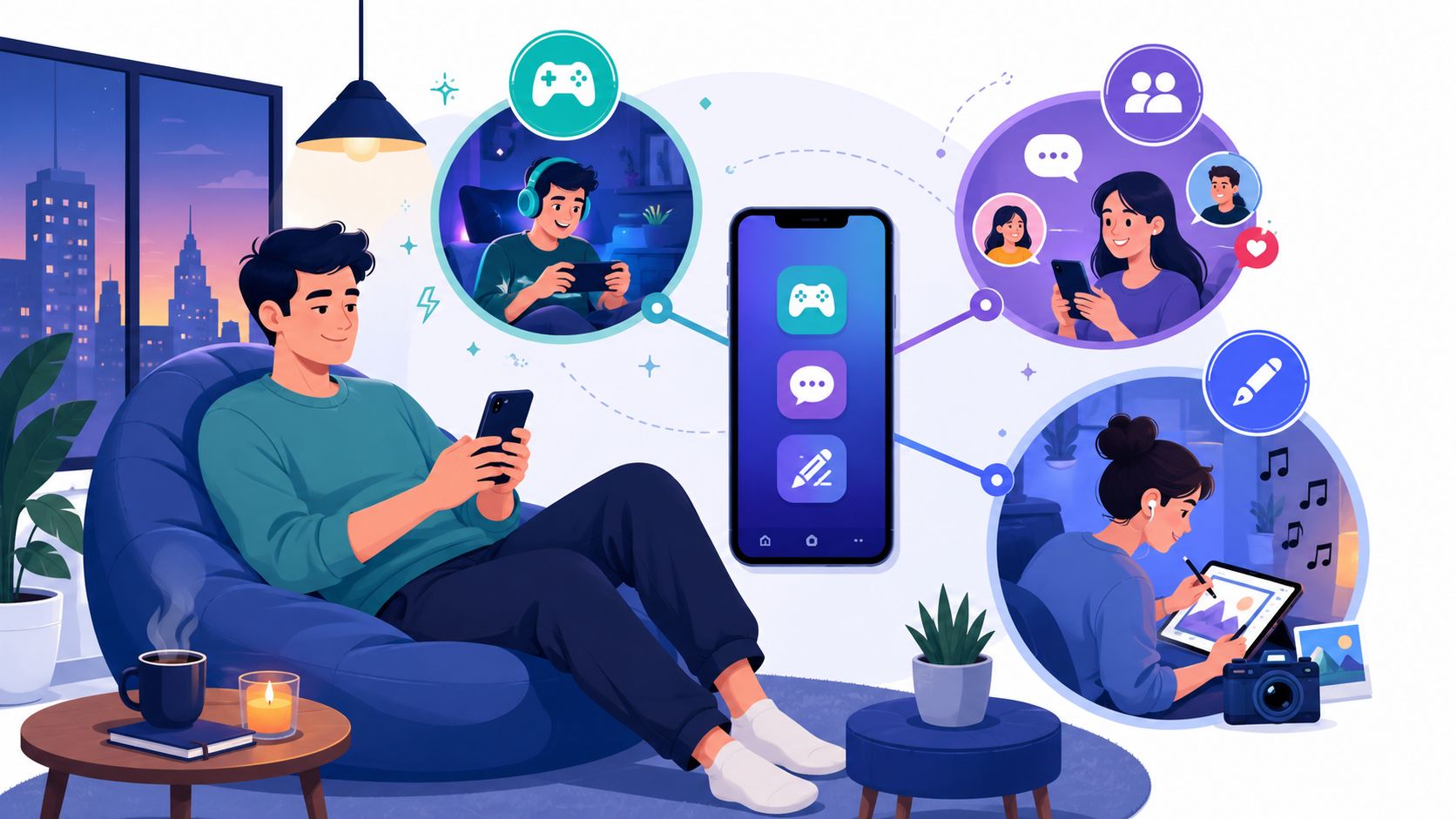
Clocking out rarely means the day is truly finished. There is usually dinner to figure out, a family member to check on, or a small pile of chores waiting the moment you walk through the door. Even so, the urge to switch off, if only for a while, never really disappears. What has changed is how people satisfy it. Rather than saving rest for a long weekend or a holiday that is still months away, many Filipinos now tuck small pockets of downtime into an ordinary weekday.
The thing making that possible is almost always already in your pocket. Entertainment, company, and a quiet moment to yourself now travel wherever your phone does, which means a break can begin during a commute, in a queue, or in the last stretch of an evening at home. Here is a closer look at how that shift happened, and why phones keep shaping the way we recover from work.
Relaxation Now Fits Into The Gaps In Your Day
Older hobbies tend to ask for something up front: a bit of space, some equipment, a free afternoon. That is precisely what a normal weekday refuses to provide. A phone strips away most of those conditions. A break can start on the MRT, while you wait for your order at a restaurant, or in the fifteen quiet minutes before you set off for home. You might watch a short clip, read a chapter of an e-book, put on a favorite Song, or play one undemanding round of a game. None of it needs more than the time you already have. This is also where research on recovery gets interesting, because letting your attention rest on something completely unrelated to your job is part of how you mentally switch off from work and start to recover before you have even reached the front gate.
Gaming Has Grown Into A Mainstream Way To Decompress
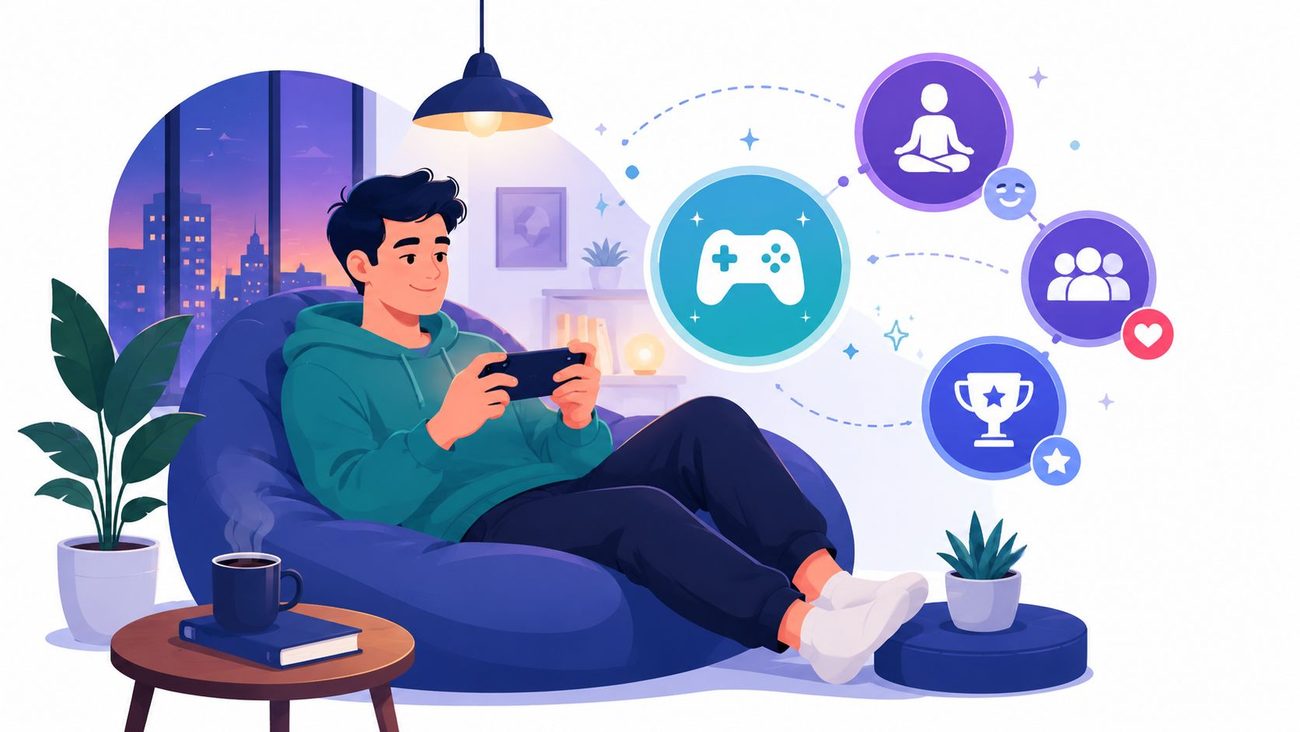
Mobile gaming has long outgrown its old image as a pastime for children or committed hobbyists. It now draws in a broad cross-section of adults, from nurses and drivers to teachers and office staff, people who want a clean line between work and whatever comes next. A large part of the appeal is how little it demands. There are thousands of titles to choose from, and you are no longer tied to a console in one room or a long, uninterrupted block of time. Someone who enjoys a little adrenaline might, after finding a reputable platform and taking the time to learn about JILI games, spin a themed slot on the ride home, while someone else settles into a slower hand of poker from the sofa. The specific game is not really the point. What matters is that a small, self-contained moment of fun now fits into a schedule that once had no room for it.
Entertainment Bends To Fit The Person
Nobody unwinds in the same way, and phones are unusually good at accommodating that. One person decompresses with football highlights, another with a crossword, a third with a documentary or the next episode of a series they have been carefully rationing. Streaming apps pick up on what you tend to watch and steer you toward more of it. Music apps build a playlist to match whatever mood you are carrying home. Games span the full range, from a two-minute puzzle to a strategy title you can happily disappear into for an hour. The overall effect is more control over your own time. Instead of settling for whatever happens to be on, you choose something that suits your mood, your energy, and the number of minutes you actually have to spare.
Winding Down Can Still Be Social
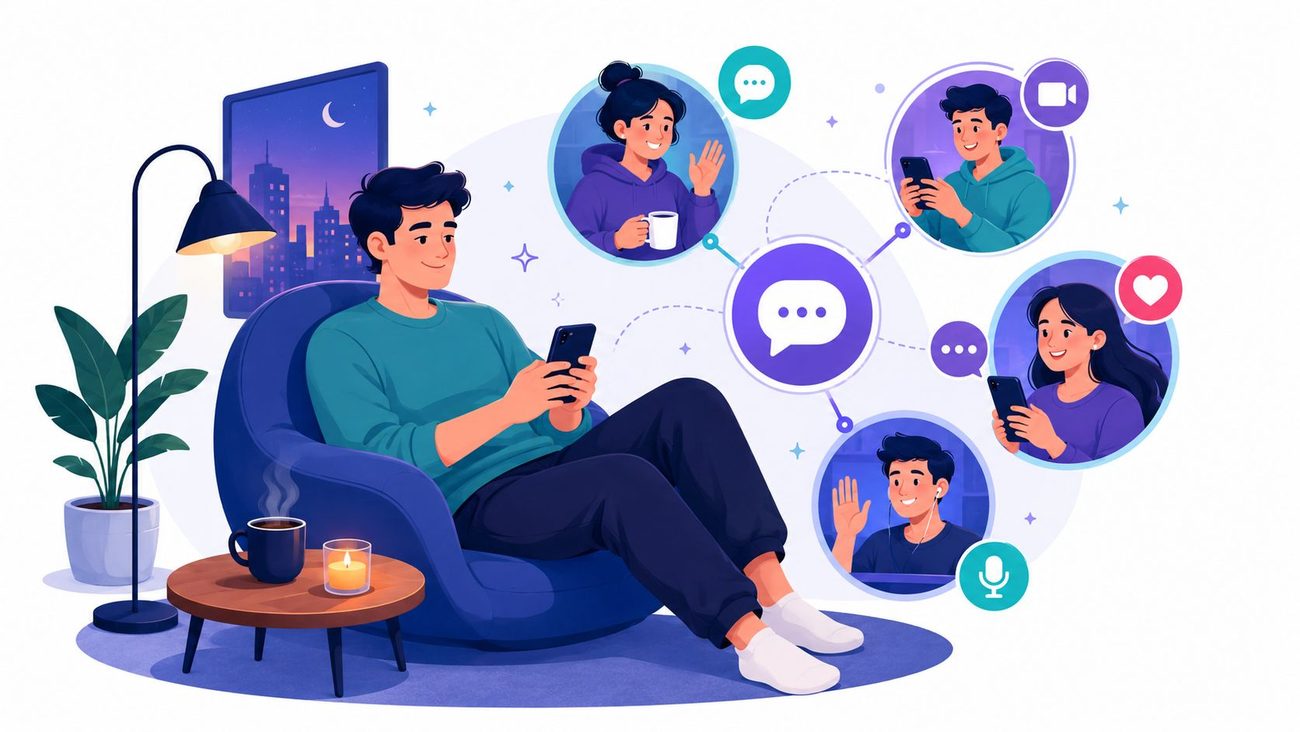
Rest does not have to mean being alone. For plenty of people, catching up with family or friends is the part of the evening that genuinely restores them, and that habit does more than lift your mood. Strong friendships are tied to lower stress and better long-term health, which is a good reason to keep those conversations going even on the busiest days. Messaging apps, group chats, and voice calls make that easy across mismatched schedules and distances. Multiplayer games add another dimension, letting friends enjoy a bit of friendly rivalry or team up on a shared goal without being anywhere near one another.
Tools For Actually Slowing Down
Entertainment is only half the story. The same device can help you look after your body and your head. Meditation and mindfulness apps are the obvious example, and the evidence that regular practice can ease stress, anxiety, and low mood is reasonably encouraging. Guided breathing sits comfortably alongside them, and it is worth a try, since a few slow belly breaths can nudge the body out of fight-or-flight and toward a calmer state. Add calming soundscapes, gentle stretching routines, and sleep-focused playlists, and you end up with a small kit for decompressing after a hard day, all held in one place.
A Quiet Nudge To Keep Moving
There is a catch worth naming out loud. The very phone that helps you relax also keeps you seated, and long stretches of sedentary time carry real health costs. This is where fitness apps and habit trackers earn their keep, reminding you to stand up, drink some water, take a short walk, or move at regular intervals through the day. They do not so much replace good habits as make them harder to forget, which, for most of us, is the actual difficulty.
Creative Hobbies Have Gone Mobile Too
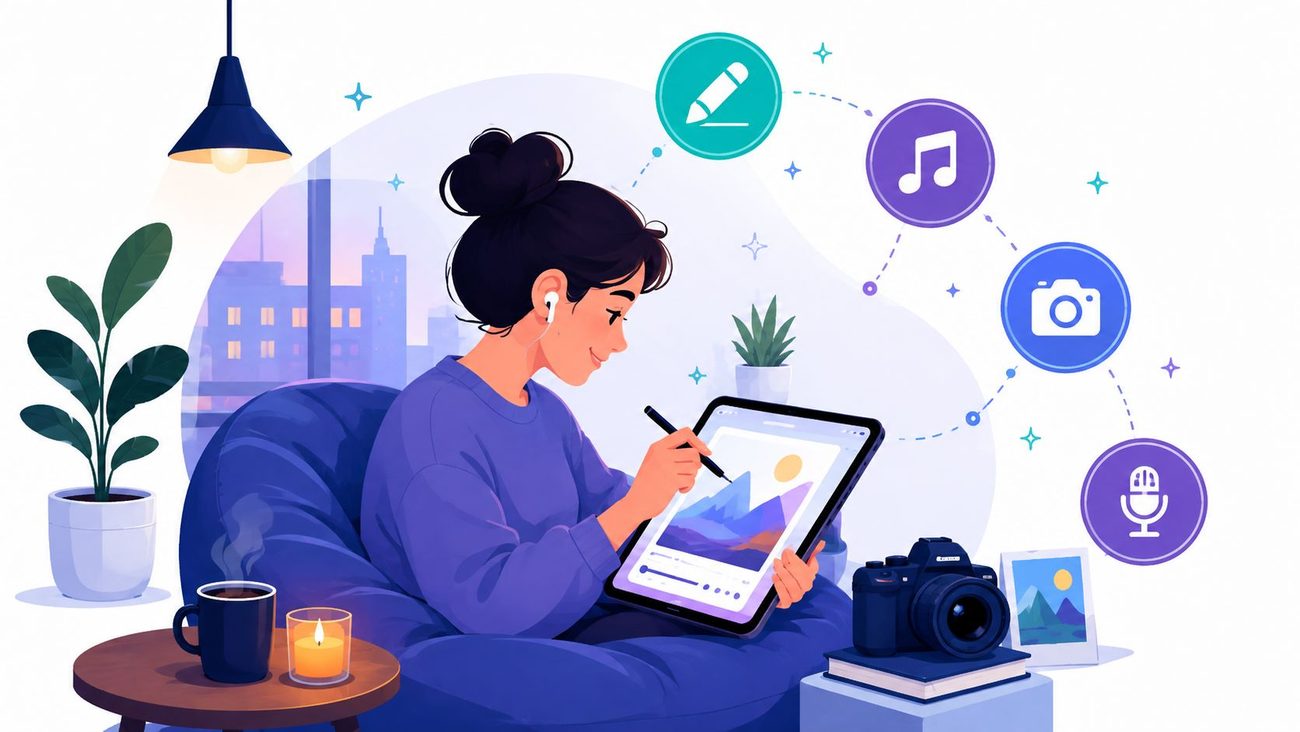
Creativity, finally, has become far more portable than it used to be. Pursuits that once needed dedicated gear now begin on a phone. A keen photographer can turn a raw shot into something polished within minutes of taking it. Someone with an idea can sketch it out on the train. And this is not merely a pleasant way to pass the time, because creative activity is linked to lower stress and a steadier mood, which makes it a genuinely useful thing to reach for after work. Whether the draw is photography, a little digital drawing, a simulation game, or a strategy experience, the cost of simply starting has rarely been lower.
Finding A Better Way To Recharge
Smartphones have made rest more immediate, more portable, and more personal than it has ever been. The real gain is not the sheer number of things to watch or play. It is the freedom to choose the one thing that actually settles you on a given evening, whether that is a playlist, a call with an old friend, a creative project, or a few rounds of a game you love. One last thing is worth keeping in mind. The hour before bed is the exception to all of this, because bright screens late at night can make it harder to fall asleep. The kindest thing you can do for tomorrow, then, is to set the same device down a little before you turn in.
Disclaimer
This article is for general informational and entertainment purposes only. Gaming content is intended solely for adults who meet the legal gambling age in their jurisdiction. Gambling involves financial risk and should never be treated as a source of income. Set clear spending and time limits, never chase losses, and seek professional support if gaming becomes difficult to control. Health and wellness information in this article is not a substitute for advice from a qualified medical professional.