
Blog
How EU Regulations Are Reshaping Online Game Design in 2026

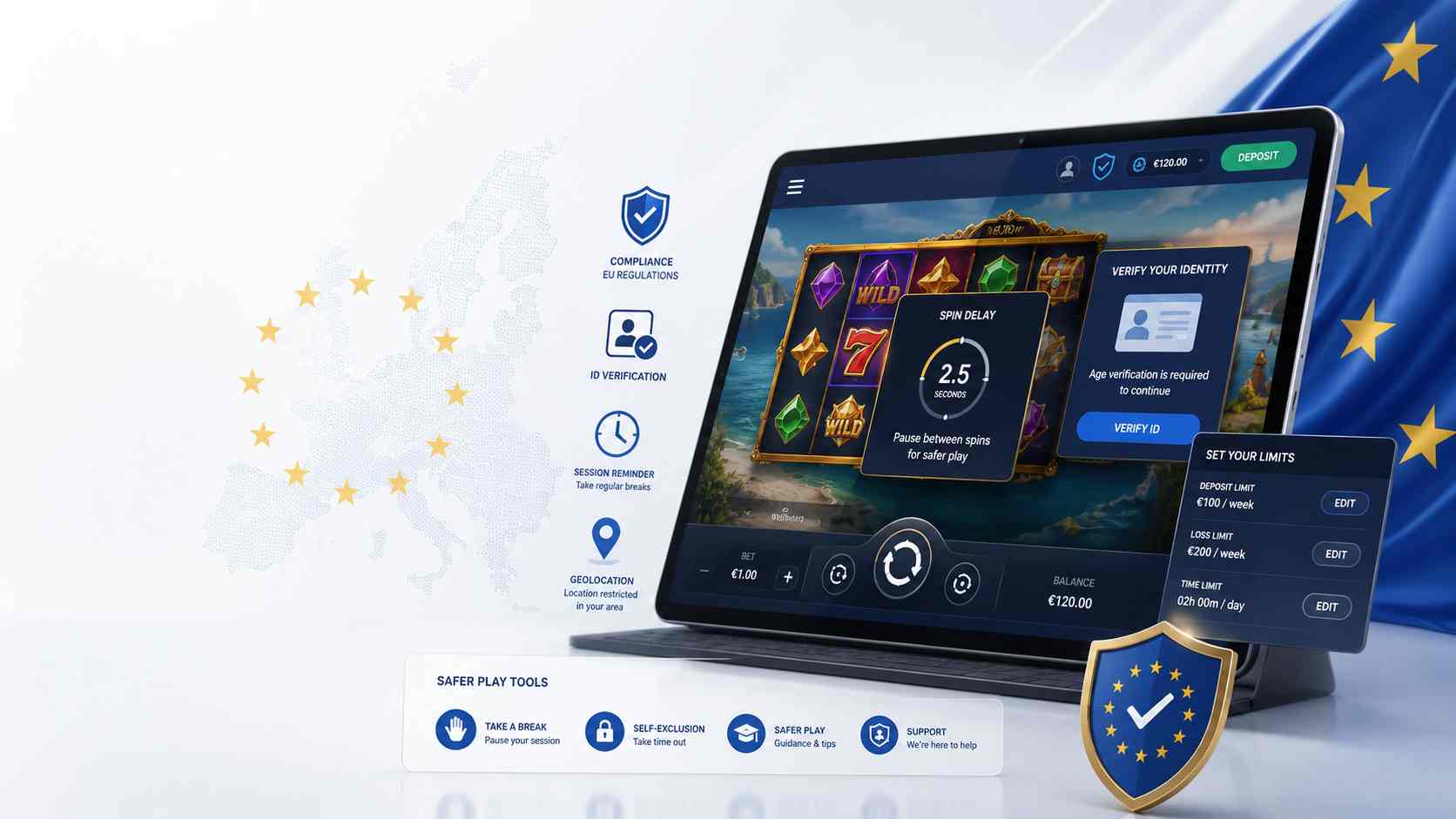
Online gambling platforms across Europe are changing fast. Players may notice slower gameplay, longer sign-up checks, clearer bonus terms, stronger deposit controls, and more responsible gambling messages. These changes are not random design choices. They are the result of tighter gambling rules across major European markets.
For years, many online casino platforms focused mainly on speed, engagement, bonuses, and smooth payment journeys. In 2026, that balance is shifting. Regulators now expect operators to build safer products from the start, not simply add responsible gambling tools after launch.
Industry coverage from Europeangaming has shown that compliance is now one of the biggest priorities for online gambling operators, game studios, and platform providers. The result is a new kind of gaming experience where trust, safety, identity checks, and spending controls are becoming part of the core product.
Why Online Games Feel Different Now

Many players feel that online casino games have become slower or more controlled. This is largely because regulators want platforms to reduce risky patterns linked with excessive gambling.
Some of the most visible changes include longer onboarding, identity verification, affordability checks, deposit limit reminders, session timers, and game speed restrictions. These features are designed to make players more aware of time, money, and risk.
In the past, gambling platforms often treated responsible gambling tools as optional settings. Players could set limits, take breaks, or exclude themselves, but those tools were not always easy to find. Today, many European regulators expect these protections to be visible, active, and built directly into the user journey.
This means game design is no longer only about entertainment. It is also about compliance, player safety, and long-term trust.
Regulatory Wave Across Europe
Europe does not have one single gambling law. Each country has its own regulator, licensing model, and player protection rules. However, many European markets are moving in the same direction.
The United Kingdom has introduced stronger controls around online slots, financial risk checks, bonus transparency, and operator contributions toward gambling harm prevention. Germany has strict rules around slot speed, player accounts, and online table games. The Netherlands has focused heavily on deposit limits, loss limits, and stronger protection for younger adults.
Other countries are also reviewing how online gambling platforms advertise, verify users, monitor behaviour, and handle high-risk play. Even where the exact rules differ, the overall message is clear. Regulators want safer digital gambling environments.
For operators, this creates a major challenge. A platform that works in one country may not be legally acceptable in another. Design teams must now build flexible systems that can adjust rules by market, age group, product type, and player behaviour.
Compliance Is Now Part of Game Design
Older online gambling platforms were often built with entertainment first and compliance second. That model is becoming outdated.
Modern iGaming products need responsible gambling features built into the product architecture. This includes session tracking, spending summaries, risk scoring, identity checks, payment monitoring, and automatic alerts.
For example, if a player suddenly increases deposit frequency, plays for unusually long sessions, or raises stake sizes quickly, the system may detect that behaviour. Depending on the rules of the market, the platform may display a reminder, suggest a break, limit certain actions, or ask the player to confirm information.
To the player, this may appear as a simple message on screen. Behind the scenes, the platform may be using behavioural data, risk models, and regulatory rules to decide when an intervention is needed.
This is one of the biggest changes in online game design. Responsible gambling is no longer just a support page. It is becoming part of the gameplay flow.
How Slower Gameplay Is Changing Player Experience
One of the clearest examples of regulation affecting design is the speed of online slots. Some markets now require delays between spins. The purpose is to reduce rapid repeat play and give players more time to think between bets.
For players used to fast-paced games, this can feel frustrating. However, regulators argue that slower gameplay may reduce impulsive behaviour and make losses easier to notice.
This creates a difficult balance for game designers. They need to keep games engaging while also following strict limits on speed, autoplay, sounds, visual effects, and bonus presentation.
The result is a more controlled gaming experience. Games still need to be enjoyable, but they must also avoid features that may encourage risky or excessive play.
KYC Is Now a Major Part of Onboarding
Know Your Customer checks have become more important across the online gambling industry. Operators must confirm that users are old enough, located in an approved region, and not using false identity details.
In some cases, platforms may also need to check whether a player can afford certain levels of gambling activity. These checks are connected to anti-money laundering rules, fraud prevention, and responsible gambling obligations.
The problem is that long verification forms can push users away. If a player has to upload several documents before seeing the platform, many will leave.
Better platforms are now redesigning onboarding to feel more natural. Instead of asking for everything at once, they may allow users to explore free play areas first. More detailed checks may appear when the user wants to deposit, withdraw, or access real money features.
This approach makes compliance feel less like a barrier and more like a trust-building step.
Why Better UX Matters in Regulated Gaming
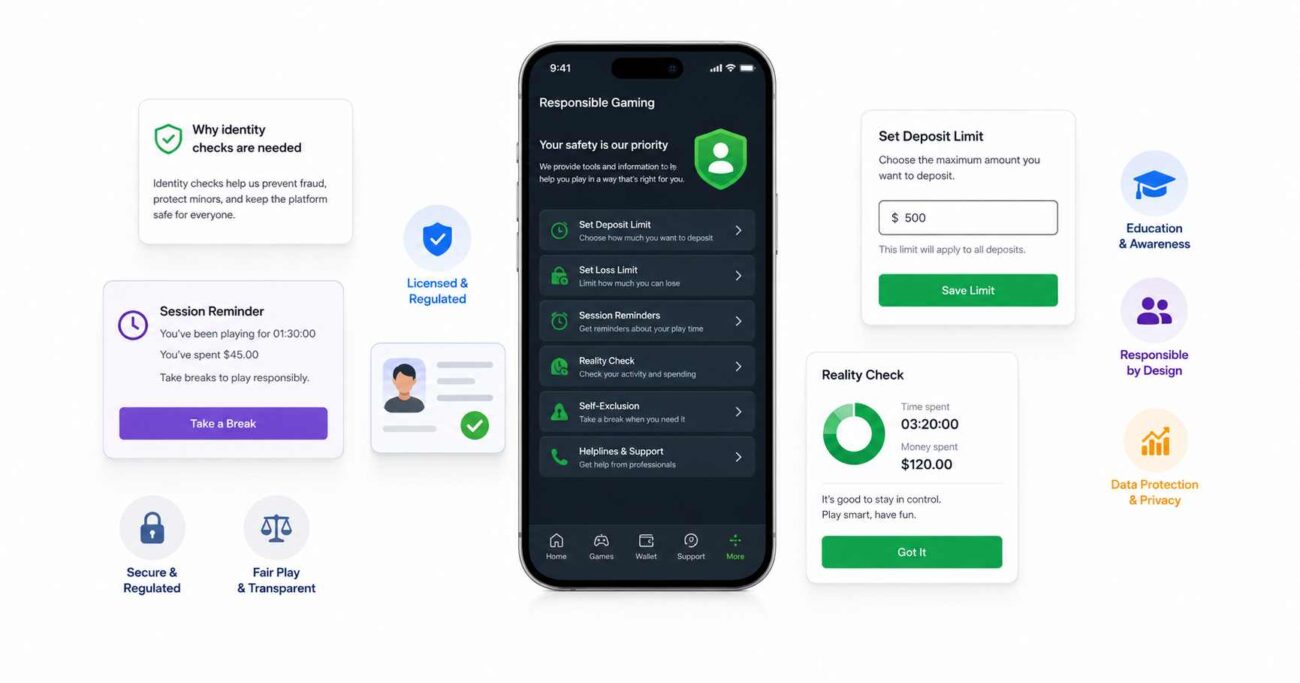
Good user experience is not about hiding rules. It is about making rules understandable.
A strong regulated gaming platform should clearly explain why identity checks are needed, how limits work, where responsible gambling tools can be found, and what happens if risk signals appear.
Poor UX can make compliance feel confusing or intrusive. Good UX can make the same rules feel clear and fair.
For example, a deposit limit screen should not feel like a punishment. It should help the player make a conscious decision. A session reminder should not feel random. It should explain time played and money spent in simple language.
This is where modern gaming platforms can learn from fintech apps. Banking and payment apps often explain verification steps clearly, show progress, and reduce confusion. Gambling platforms are now moving toward similar design patterns.
Impact on Mobile Gaming Websites
Mobile gaming has become one of the most important parts of the online gambling market. Many players now access games through phones instead of desktop computers. That means compliance tools must work smoothly on small screens.
A mobile-friendly gambling website needs more than fast loading and a responsive design. It also needs clear buttons, readable terms, easy limit controls, simple account verification, secure payment flows, and visible support options.
For readers comparing platform design and usability, Mopoga’s guide to mobile-friendly gaming websites is a useful anchor for understanding what makes mobile gaming sites easier to use. In a regulated market, mobile friendliness is not only about comfort. It is also about safety, transparency, and trust.
If responsible gambling tools are hidden, too small to read, or hard to use on mobile, the platform may fail both players and regulators.
Why Non-Casino Games Are Also Paying Attention
Regulation is not only affecting online casinos. It is also influencing wider gaming conversations.
Many mobile and browser games use paid features, mystery rewards, loot boxes, upgrades, skins, virtual currencies, and prize-style mechanics. Some of these features can feel similar to gambling, especially when players spend real money for uncertain outcomes.
This does not mean every game with in-game purchases is gambling. However, regulators are paying closer attention to mechanics that encourage repeated spending, unclear odds, or pressure-driven purchases.
As a result, non-casino developers are watching iGaming regulation closely. Features such as spending limits, purchase confirmations, age checks, and transparent odds may become more common in mainstream gaming, too.
The line between gaming and gambling is becoming more important. Developers who understand that line early can build safer and more trusted products.
AI Is Becoming the New Compliance Layer
Artificial intelligence is now playing a larger role in online gambling compliance. Platforms use AI systems to detect unusual behaviour, identify possible fraud, review identity documents, monitor payment activity, and support responsible gambling interventions.
AI can help platforms react faster than human teams. It can detect patterns across thousands of users and flag behaviour that may need review.
However, this also raises important questions. If an AI system decides that a player is high risk, the platform should be able to explain why. Regulators are increasingly interested in transparency, fairness, and auditability.
This matters because the same platform may use AI for both engagement and protection. One system may recommend games while another system checks whether the player is showing signs of harm. Operators must make sure these systems do not work against each other.
A responsible platform should not use personalisation only to increase play time. It should also use technology to protect users when play becomes risky.
What Players Should Look For
Players should not judge a platform only by bonuses or game variety. In 2026, safety features are just as important.
A trustworthy platform should make licensing information easy to find. It should clearly explain deposit limits, withdrawal rules, bonus terms, session reminders, and self-exclusion options. It should also provide access to support resources without making users search through hidden menus.
Players should also be careful with platforms that make unrealistic promises, hide ownership details, delay withdrawals without a clear reason, or avoid responsible gambling information.
Clear rules are a good sign. Confusing rules are a warning sign.
Frequently Asked Questions
| Question | Helpful Answer |
|---|---|
| Why do online casino games feel slower now? | Some regulated markets require slower gameplay, spin delays, session reminders, and other controls. These rules are designed to reduce rapid play and help users stay more aware of time and spending. |
| Why do gambling websites ask for more identity details? | Platforms must verify identity, age, location, and sometimes financial risk. These checks help prevent underage gambling, fraud, money laundering, and unsafe gambling behaviour. |
| Are these rules only for casino games? | Not always. While the strictest rules apply to licensed gambling platforms, wider gaming markets are also being watched. Loot boxes, paid mystery rewards, and real money features may face more scrutiny when they resemble gambling. |
| Are responsible gambling tools required? | In many regulated markets, yes. Licensed operators often need to provide deposit limits, reality checks, self-exclusion, session reminders, and access to support resources. |
| What should players do if gambling stops feeling fun? | Players should stop, take a break, set limits, or use self-exclusion tools. Independent support from BeGambleAware can help people understand risky patterns and find support when gambling starts causing stress, financial pressure, or loss of control. |
Final Conclusion
EU gambling regulation is changing online game design in a major way. What used to be a fast, bonus-driven, and highly frictionless experience is becoming more controlled, transparent, and safety-focused.
For operators, this means compliance must be part of the product from the beginning. For designers, it means safer onboarding, clearer spending tools, better mobile experiences, and stronger responsible gambling features. For players, it means more checks, more reminders, and more control.
The best platforms will not treat regulation as a burden. They will use it as a way to build trust. In 2026 and beyond, successful online gaming design will depend on more than speed and entertainment. It will depend on safety, clarity, and responsibility.
Disclaimer
This article is for general information only and is intended for adult readers. It does not promote gambling or encourage anyone to gamble. Gambling involves financial risk and may not be legal in every region. Underage gambling is illegal in many jurisdictions. Always follow local laws, use licensed platforms only, and never spend money you cannot afford to lose. If gambling is causing stress, financial problems, or loss of control, seek support from a trusted responsible gambling organisation.