
Blog
When Every Spare Minute Becomes Game Time


Remember when gaming meant sitting down and setting aside an entire evening? Those days disappeared somewhere between smartphones and busy schedules. Today, entertainment fits into coffee queues, lunch breaks, and train rides. The interesting question is not whether people still play games; it is where they find the time.
A lot of gaming happens in small pockets of the day now. Five minutes while waiting for a coffee, ten minutes before a meeting starts, twenty minutes stretched out on the couch after dinner; modern phones have turned all of those moments into opportunities to play something. The games may be different from one player to the next, but the expectation is usually the same: open the game, start playing, and get straight into the fun without wasting time on unnecessary steps.
Mobile Gaming Puts Entertainment in Your Pocket
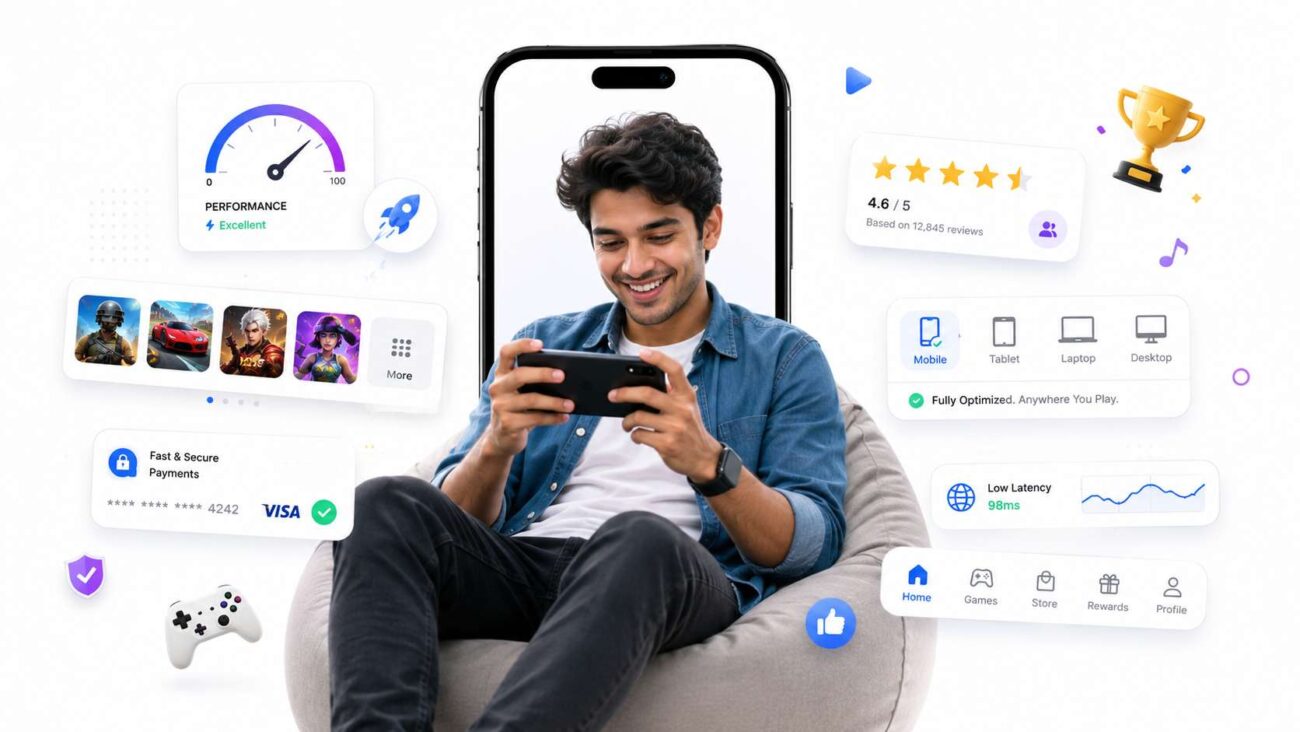
The idea that mobile gaming is somehow a lesser experience disappeared years ago. Modern smartphones can run surprisingly sophisticated games, and players have become far more selective about what they spend their time on. Convenience still plays a major role, but so does quality. Nobody wants to wrestle with a clunky interface when there are hundreds of alternatives only a few taps away.
That expectation extends beyond casual gaming. Players comparing mobile casino games increasingly pay attention to mobile compatibility, game variety, payment methods, welcome offers, and overall usability before settling on a platform. Mobile casino guides focus on those comparisons, helping players evaluate mobile-friendly operators through detailed reviews rather than relying on advertisements or marketing claims. The result is a gaming experience that starts long before the first game loads because players now spend more effort choosing where they play than they once did.
Mobile performance has become another deciding factor. Players expect games to load quickly, menus to work properly on smaller screens, and account features to function just as smoothly on a phone as they do on a desktop computer. Reviews that examine those details can save a lot of trial and error, particularly when the differences between platforms are not always obvious at first glance.
Convenience Often Beats Complexity
The success of mobile gaming comes down to a simple reality: people are busy. Few players sit down for four uninterrupted hours with a phone in their hand. Most gaming sessions happen between other activities, which means convenience carries enormous weight when people decide what deserves their attention.
Browser gaming fits neatly into that lifestyle because there is very little standing between the player and the game. Open a browser, pick something interesting, and start playing. That straightforward experience explains why browser-based gaming continues attracting players who want entertainment without lengthy downloads or complicated setup processes. Plenty of modern games compete for attention, yet the ones that remove friction often have an advantage because they respect the player’s time.
Smartphone Has Become the Main Gaming Device
Gaming is no longer tied to a desk, a television, or a dedicated handheld console. For many people, the device already sitting in their pocket has become their primary gaming platform. That change is visible almost everywhere, from puzzle games and strategy titles to sports simulations and competitive multiplayer experiences.
The numbers help explain what happened. More than 205.1 million Americans play video games regularly, and the average player is now 36 years old. Gaming has become a mainstream activity that spans multiple age groups. Phones play a major role in that growth because they remove many of the barriers that once limited access. A smartphone is already part of daily life, which makes gaming a natural extension of something people carry everywhere.
Lessons From Games Built for Mobile
Successful mobile games understand the environment in which they are played. A game that works perfectly on a desktop computer may struggle on a phone if the controls are awkward or the sessions demand too much uninterrupted attention. Developers who understand mobile habits generally build around convenience rather than fighting against it.
Mobile games succeed when they respect the way phones are actually used. Touchscreen controls need to feel natural, loading times need to stay short, and players need the freedom to jump in and out without losing progress. Most people are fitting gaming around the rest of their day rather than building their day around gaming, which is why short sessions have become such an important part of mobile design. Good mobile games are built for real-world habits, not ideal conditions.
Small Moments Have Become Gaming Moments
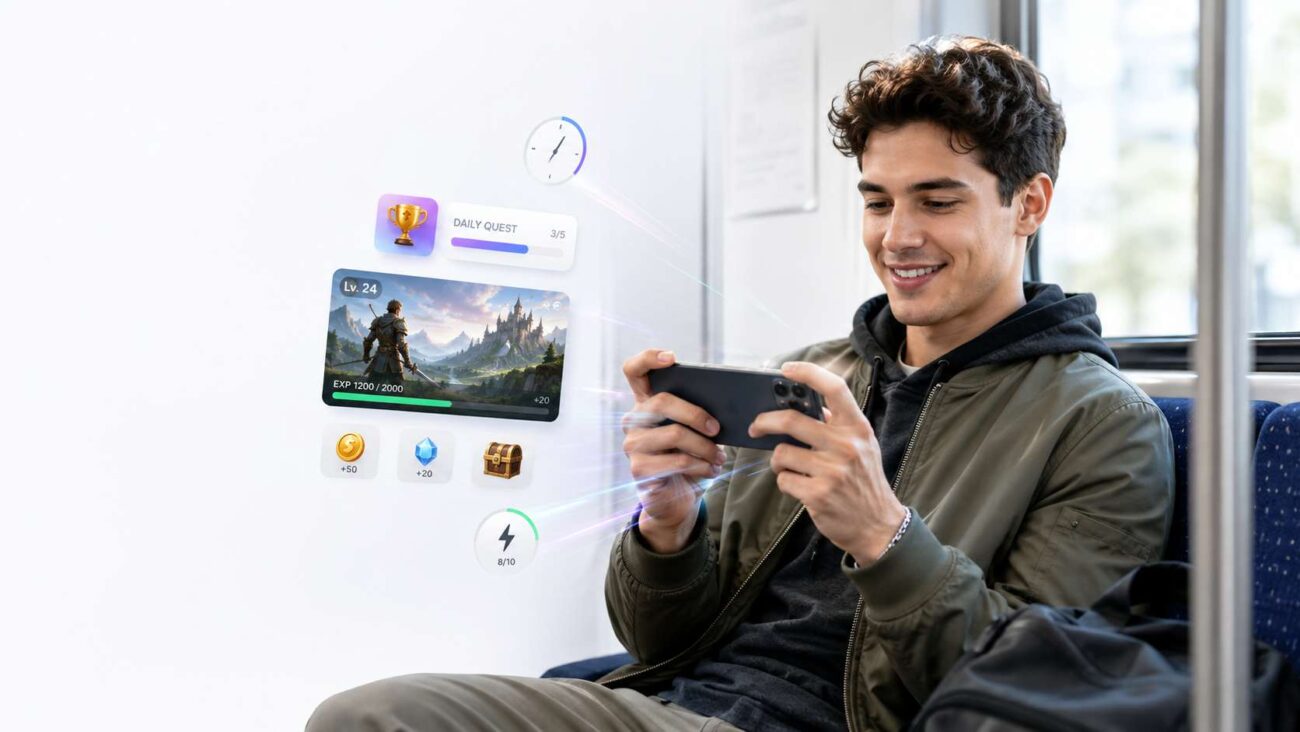
A smartphone can turn an ordinary spare moment into an opportunity for entertainment. That simple change has had a huge effect on gaming because players no longer need dedicated equipment or a carefully planned gaming session before they can enjoy themselves.
Mobile gaming continues to grow because it fits the rhythm of modern life. Whether somebody enjoys browser-based puzzle games, sports titles, strategy games, or casino content, the appeal remains remarkably similar: quick access, smooth performance, and entertainment that is ready whenever a few free minutes appear.
Conclusion
Mobile gaming has changed the way people use their spare time. Instead of waiting for a free evening, players now turn small gaps in the day into quick entertainment. A phone, a stable connection, and a game that loads smoothly are often enough to make a short break feel more enjoyable.
The strongest mobile experiences are the ones that understand real life. People want simple access, clear menus, fast performance, and games that do not demand too much time before they become fun. Whether someone prefers casual browser games, strategy titles, sports games, or other mobile-friendly formats, convenience remains one of the biggest reasons mobile gaming continues to grow.
As smartphones become more powerful and game design becomes more focused on short, flexible sessions, mobile gaming is likely to remain part of everyday entertainment. The best games will not just be the most advanced; they will be the ones that fit naturally into the way people actually live.
Disclaimer
This article is for informational and entertainment purposes only. Any references to mobile casino games or gaming platforms are intended for general discussion and should not be taken as financial advice, gambling advice, or a recommendation to use any specific service.
Online gambling laws vary by country and region. Readers should only use licensed platforms where online gambling is legal and must meet the legal age requirement in their location. Gambling involves risk, and there is no guarantee of winning. Anyone who chooses to gamble should do so responsibly, set limits, and avoid gambling with money they cannot afford to lose.
References
- Syvertsen, A., Ortiz de Gortari, A. B., King, D. L., & Pallesen, S. (2022). Problem mobile gaming: The role of mobile gaming habits, context, and platform. Nordic Studies on Alcohol and Drugs, 39(4), 362–378. DOI: 10.1177/14550725221083189
- Lopez-Fernandez, O., Männikkö, N., Kääriäinen, M., Griffiths, M. D., & Kuss, D. J. (2018). Mobile gaming and problematic smartphone use: A comparative study between Belgium and Finland. Journal of Behavioral Addictions, 7(1), 88–99. DOI: 10.1556/2006.6.2017.080
- Bulduklu, Y. (2019). Mobile games on the basis of uses and gratifications approach: A comparison of the mobile game habits of university and high school students. Convergence: The International Journal of Research into New Media Technologies, 25(5–6), 901–917. DOI: 10.1177/1354856517748159
- Chen, C., & Leung, L. (2016). Are you addicted to Candy Crush Saga? An exploratory study linking psychological factors to mobile social game addiction. Telematics and Informatics, 33(4), 1155–1166. DOI: 10.1016/j.tele.2015.11.005
- Hamari, J., Alha, K., Järvelä, S., Kivikangas, J. M., Koivisto, J., & Paavilainen, J. (2017). Why do players buy in-game content? An empirical study on concrete purchase motivations. Computers in Human Behavior, 68, 538–546. DOI: 10.1016/j.chb.2016.11.045
- Hamari, J., & Keronen, L. (2017). Why do people buy virtual goods: A meta-analysis. Computers in Human Behavior, 71, 59–69. DOI: 10.1016/j.chb.2017.01.042
- Wardle, H., & Zendle, D. (2021). Loot boxes, gambling, and problem gambling among young people: Results from a cross-sectional online survey. Cyberpsychology, Behavior, and Social Networking, 24(4), 267–274. DOI: 10.1089/cyber.2020.0299
- Wardle, H., Degenhardt, L., Marionneau, V., Reith, G., Livingstone, C., Sparrow, M., Tran, L. T., Biggar, B., Bunn, C., Farrell, M., Kesaite, V., Poznyak, V., Quan, J., Rehm, J., Rintoul, A., Sharma, M., Shiffman, J., Siste, K., Ukhova, D., Volberg, R., Salifu Yendork, J., & Saxena, S. (2024). The Lancet Public Health Commission on gambling. The Lancet Public Health, 9(11), e950–e994. DOI: 10.1016/S2468-2667(24)00167-1