
Why Low Price Alternatives Are Shaking Up the UK’s High Street Giants

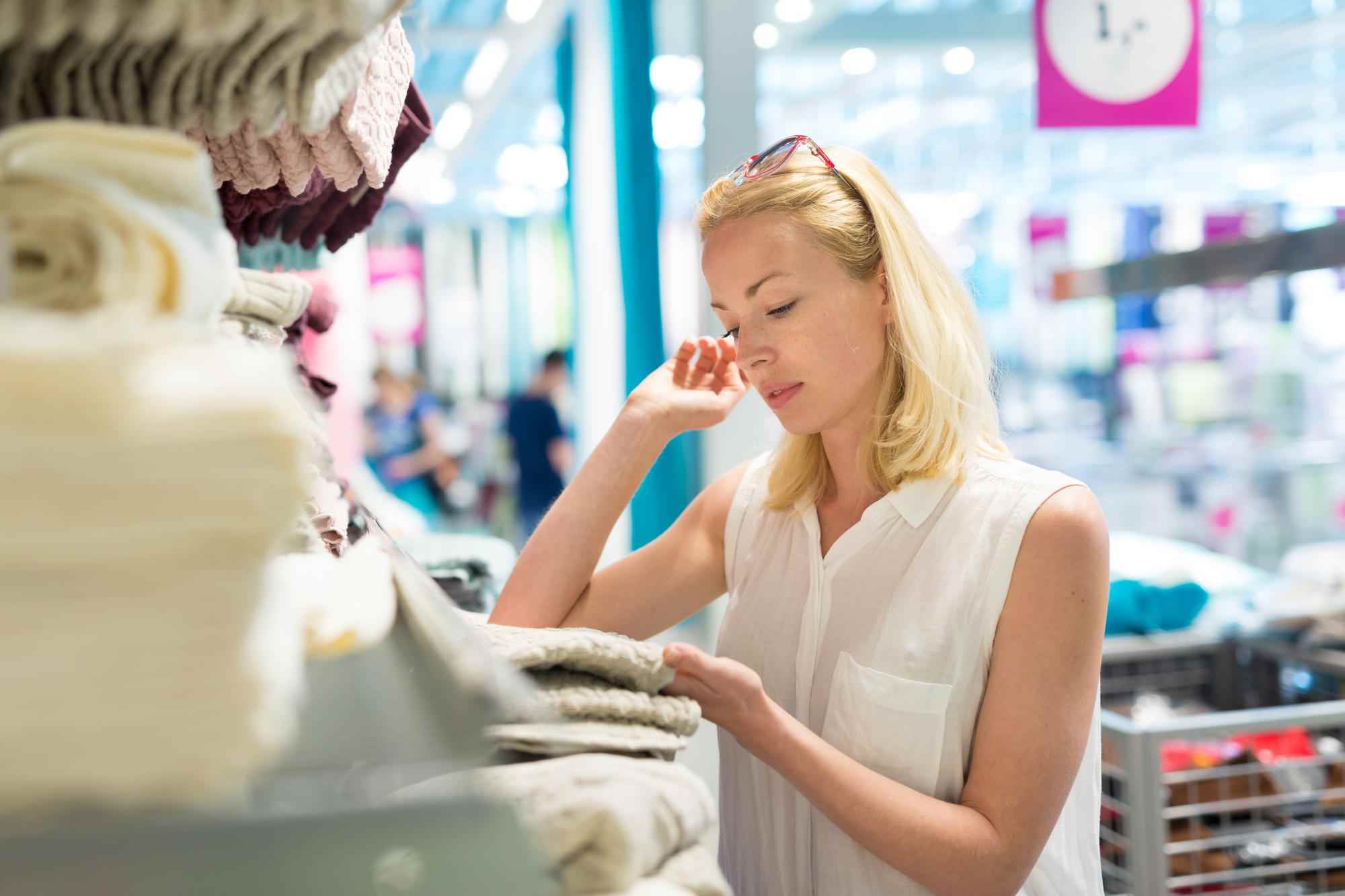
The British high street is experiencing a seismic shift that’s fundamentally reshaping retail hierarchies. Established names that dominated for decades are struggling, whilst discount retailers and ultra-low-price alternatives capture growing market share. This isn’t simply about economic downturns forcing consumers to trade down—it’s a structural transformation in how people shop, what they value, and who they trust. Understanding this shift requires looking beyond price tags to the bigger changes in consumer behaviour and retail strategy.
Perfect Storm
- Multiple forces have converged to create conditions in which low-price alternatives thrive at the expense of traditional high-street giants. The cost-of-living crisis certainly accelerated the trend, squeezing household budgets and making value-consciousness mainstream rather than niche. But economic pressure alone doesn’t explain the phenomenon.
- Social media has democratised fashion and product discovery, breaking the traditional gatekeeping power of established brands. When influencers showcase £5 dresses that look remarkably similar to £50 alternatives, the value equation becomes stark. Consumers increasingly question whether they’re paying for quality or simply brand heritage and marketing budgets.
- The pandemic permanently altered shopping habits, normalising online purchasing and making consumers more willing to try unfamiliar retailers. The friction of trying new brands dissolved when everything happened online anyway. This experimental phase introduced millions to alternatives they might never have encountered through traditional high street shopping.
Quality Perception Has Shifted
- Perhaps most significantly, the quality gap between discount retailers and premium brands has narrowed considerably or at least, consumer perception of that gap has changed dramatically.
- Modern discount retailers have sophisticated supply chains, access to manufacturing facilities similar to those of premium brands, and increasingly savvy design teams that deliver on-trend products quickly. The actual quality difference is often minimal in many product categories, particularly fast fashion, where items aren’t expected to last years anyway.
- Traditional retailers built their reputations on quality superiority that justified price premiums. But when consumers discover through experience that £10 alternatives perform adequately for their needs, brand loyalty erodes rapidly. The premium becomes difficult to justify when tangible benefits aren’t obvious.
- This shift particularly impacts mid-market retailers squeezed between luxury brands that offer genuine differentiation and discount alternatives that offer compelling value. Being neither the best nor the cheapest is an increasingly untenable position.
Experience Economy Paradox
- Established high-street giants traditionally competed on the shopping experience of flagship stores, attentive service, pleasant environments. But consumer priorities have shifted fundamentally.
- Younger shoppers, in particular, prioritise product and price over retail theatre. They research online, know exactly what they want, and view shopping as a transaction to complete efficiently rather than an experience to savour. Elaborate store environments become expensive overhead that doesn’t translate to increased willingness to pay premium prices.
- Meanwhile, discount retailers embrace stripped-back efficiency. Basic fixtures, minimal staff, warehouse aesthetics these aren’t bugs but features that signal value and communicate that every penny saved on overhead translates to lower prices for customers.
- This creates a challenging dynamic for traditional retailers. Maintaining expensive physical presence becomes harder to justify when it doesn’t drive meaningful sales advantages, yet abandoning physical retail entirely means conceding competitive ground to brands that maintain street presence.
Speed and Trend Responsiveness
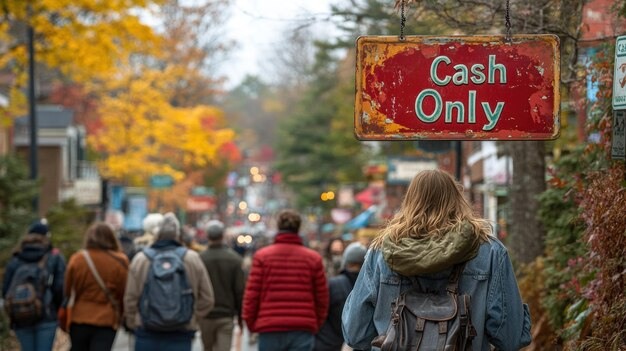
- Ultra-fast fashion retailers have weaponised speed, moving from design to store in weeks rather than months. When viral trends emerge on TikTok, discount retailers deliver relevant products while traditional retailers are still in planning meetings.
- This responsiveness creates the perception that discount retailers are more in tune with current tastes, whilst established brands seem slow and out of touch. For trend-driven categories, being six weeks behind might as well be six months he moment has passed, and cheaper alternatives have already captured demand.
- Traditional retail operating models simply weren’t built for this pace. Seasonal planning, lengthy lead times, and risk-averse buying processes made sense in different eras but have become liabilities against competitors optimised for rapid iteration.
Transparency Revolution
- Social media has created unprecedented transparency around pricing, quality, and business practices. Consumers can easily compare identical or near-identical products across retailers, making price premiums immediately obvious and difficult to justify.
- Manufacturing transparency reveals that many products across price points are produced in similar facilities. When consumers learn that £100 trainers and £30 alternatives are produced in the same factory, brand mystique evaporates. Some retail competitive analysis suggests this knowledge fundamentally undermines premium pricing strategies built on perceived rather than actual differentiation.
- Influencer culture amplifies this transparency. “Dupe culture”—finding affordable alternatives to expensive products has become content unto itself, with creators building audiences around exposing that premium products often don’t justify their prices. This narrative advantage discounts retailers whilst putting traditional brands on the defensive.
Sustainability’s Complicated Role
- Environmental consciousness might logically favour established brands over disposable fast fashion, yet the relationship proves more complex. Some consumers avoid ultra-cheap alternatives due to sustainability concerns, but others question whether premium prices actually correlate with better practices.
- Scandals revealing poor labour conditions or environmental records across price points have created cynicism about whether paying more actually supports better practices. When premium brands face similar criticisms as discount retailers, the ethical justification for price premiums weakens.
- Some discount retailers have also become surprisingly sophisticated about communicating sustainability initiatives, whilst traditional retailers sometimes struggle with legacy practices that contradict contemporary values. The moral high ground isn’t automatically claimed by established names.
Path Forward
High street giants face uncomfortable truths about adapting to this new landscape. Simply lowering prices sacrifices margins without addressing underlying competitive disadvantages. Maintaining premium positioning requires clearly communicating tangible value that justifies price differences.
Some retailers are finding success through genuine differentiation, superior service, exclusive products, compelling experiences, or authentic sustainability credentials. Others are launching their own value brands to compete across price points. Many are still searching for sustainable strategies in fundamentally reshaped markets.
What’s clear is that previous advantages, brand heritage, established presence, historical reputation matter less than ever. The retailers thriving in this new environment are those willing to fundamentally rethink their value propositions for consumers who have more choices, better information, and less loyalty than any previous generation.
The shake-up isn’t a temporary disruption that will return to normal. It’s the new normal, and adaptation isn’t optional.