
Blog
Why Cosmetic Rewards Hook Mobile Gamers More Than They Admit

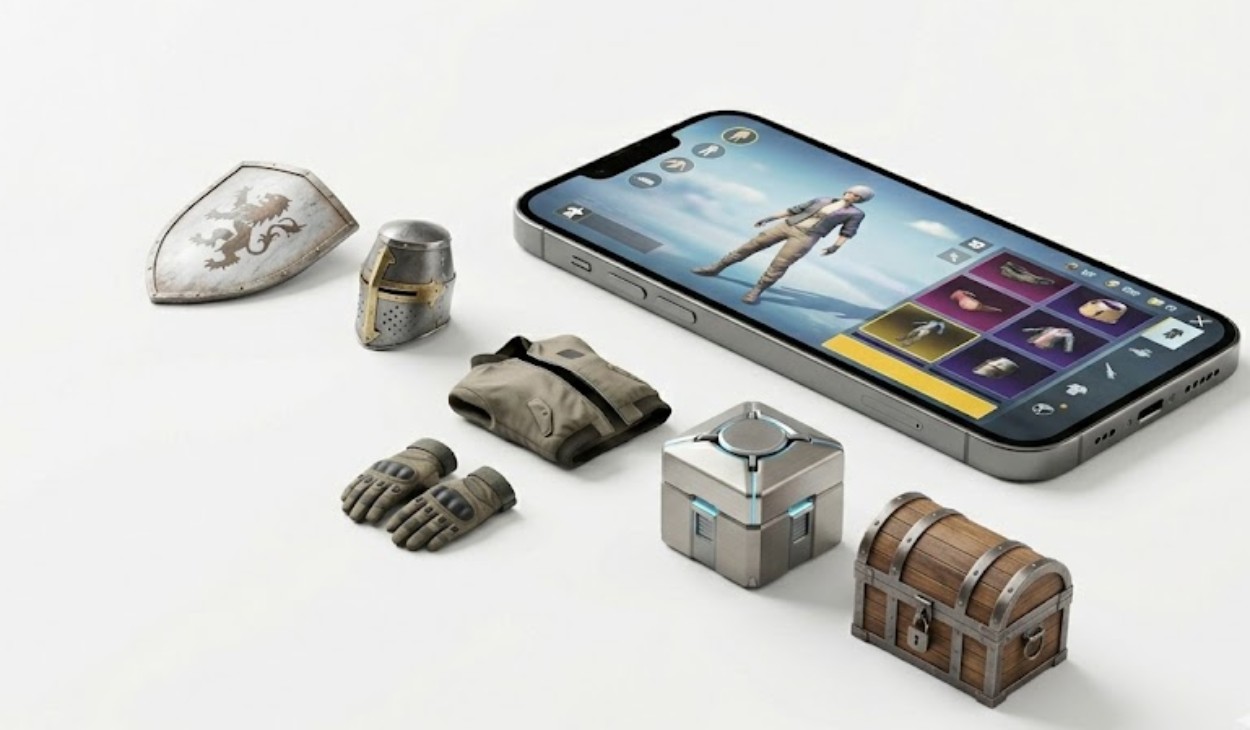
Scroll through any mobile game, and cosmetic upgrades are impossible to ignore. They aren’t power-ups; they don’t change your odds or boost performance. Yet people spend hours, sometimes real money, to tweak the look of a character, weapon, or avatar. Why do these non-essential extras spark so much desire?
Psychology Behind “Just One More Skin”
Every mobile gaming session quickly becomes about visibility. Because for many, the real badge of honor isn’t a leaderboard spot, but a rare outfit or flashy particle effect. Showcasing a unique look, one friends haven’t seen, triggers genuine excitement. In social and competitive games, this need for individuality creates real value where none existed before.
Monetization experts know how to feed this hunger. Daily log-in rewards, loot crates, time-limited events, and rotation shops keep pressure high and attention sharp. The timing is never random; it hits when routines form, turning quick breaks into must-check moments.
The way real-world money links with cosmetics is reflected across different games and genres. The idea extends far beyond phones, too. Digital marketplaces offer virtual items for popular titles. CS2 players, for example, can personalize their arsenal with CS2 skins, keeping each weapon unique and tradeable. The thrill comes not from the gameplay impact, but from owning something visibly different.
Where Can I Buy Digital Games?
Players looking to buy digital games have choices. Official platform stores cover the basics, but digital marketplaces provide expanded options with perks like competitive pricing and flexible gift cards. Eneba stands out as a platform offering quick code delivery, verified merchant listings, and region tags that allow buyers to see what will work for their area. Always confirm region compatibility before purchasing, especially if using a VPN, to avoid registration issues.
Customization, Social Proof, and Status
Mobile titles thrive on status displays. Limited-edition skins announce who played at the right time or who completed the biggest challenge. In group chats and public lobbies, those visual signals lead to more in-game invites and attention. For many, this public recognition drives the loop: more rare cosmetics equal more perceived status, more engagement, and more play.
Interestingly, psychological cues like tease windows (“You almost earned this skin!”) nudge players to stick around longer. Even after a big unlock, anticipation builds again for what’s next, creating a self-sustaining habit built on small victories.
What’s Next for Game Cosmetics?
Developers now treat cosmetics as design priorities, building entire events and updates around them. Player feedback constantly shapes trends, sparking collaborations with real-world brands, themed seasons, and new forms of visual flair. The point isn’t always about impressing others, sometimes it’s the satisfaction of making something feel genuinely personal.
People used to wonder if digital goods would hold value. Mobile gaming’s obsession with cosmetic rewards provides the answer: visual appeal and self-expression can keep players engaged as much as deep mechanics or storylines.
Economics Behind Cosmetic Spending
Cosmetic rewards may look optional, but they are carefully designed revenue drivers. Unlike pay-to-win mechanics, they avoid backlash while still encouraging consistent spending. Microtransactions tied to appearance feel harmless, yet over time, they can exceed the cost of full-priced games.
Here’s how cosmetic monetization typically breaks down:
| Element | Purpose | Player Impact |
|---|---|---|
| Skins & Outfits | Visual customization | Creates identity and uniqueness |
| Loot Boxes / Crates | Randomized rewards | Triggers excitement and repeat spending |
| Battle Passes | Tier-based cosmetic unlocks | Encourages long-term engagement |
| Limited-Time Events | Exclusive, time-bound items | Builds urgency and fear of missing out |
| In-Game Currency | Abstracts real money value | Reduces spending hesitation |
This system works because it removes the feeling of “losing money” and replaces it with “gaining identity.”
Behavioral Triggers That Keep Players Spending
Cosmetic systems are built on subtle psychological hooks that turn casual interest into repeated behavior. These triggers don’t rely on gameplay advantage—they rely on human habits.
| Trigger | How It Works | Result |
|---|---|---|
| FOMO (Fear of Missing Out) | Limited-time skins and rotating shops | Players log in frequently and spend fast |
| Social Comparison | Seeing rare items in other players | Drives desire to match or stand out |
| Progress Illusion | “Almost unlocked” rewards | Encourages continued play |
| Collection Urge | Completing sets or themes | Sustains long-term engagement |
| Personal Attachment | Custom avatars and loadouts | Builds emotional investment |
These mechanisms are subtle but powerful. Over time, they create habits that feel voluntary but are heavily guided by design.
Long-Term Impact on Player Behavior
Cosmetic rewards reshape how players define success in games. Instead of focusing purely on skill or progression, many begin to value visibility and recognition just as much.
Players may:
- Log in daily, even without gameplay goals
- Spend money without expecting gameplay benefits
- Prioritize events that offer rare visuals over core content
- Measure achievement through appearance rather than rank
This shift explains why cosmetic systems remain effective across genres, from casual mobile games to competitive titles.
Conclusion
Cosmetic rewards succeed because they tap into something deeper than gameplay; they appeal to identity, status, and self-expression. What seems like a simple visual upgrade becomes a social signal, a personal statement, and sometimes even a collectible asset.
As mobile gaming continues to evolve, cosmetics will only grow more sophisticated, blending design, psychology, and monetization into systems that players willingly engage with. The real hook isn’t the item itself, it’s what owning it represents.