
Blog
How To Tell Good Crypto Airdrops From Bad Ones

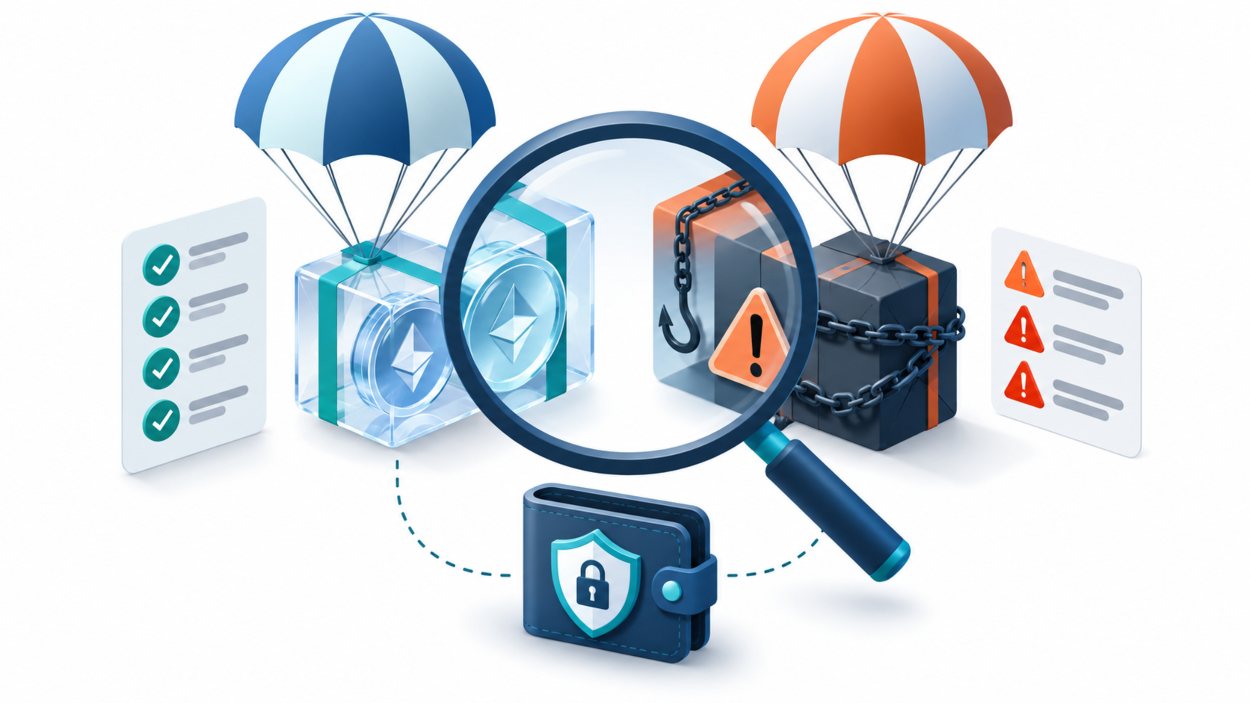
Across the world, the anticipation is palpable. Everyone’s eagerly awaiting the launch of the next big crypto project, checking their eligibility as if it were some ritual. In group chats, on X threads, in Discord servers, on-chain citizens swap tips, brag about their conquests, and warn each other about the weird stuff lurking in the deepest, darkest corner.
Apple made the word ‘AirDrop’ a thing. In 2011, the American multinational technology company introduced AirDrop with OS X Lion, enabling users to transfer files between Macs with just a few clicks. Apple later brought it to the iPhone in 2013 with iOS 7. The crypto community adopted the word a few years later. Still, it most likely drew inspiration from the armed forces, where airdrops are the go-to method of delivering people, supplies, and equipment into difficult-to-reach or enemy-held territory.
Are crypto airdrops worth the time? Yes, but you have to dig around because most of them are either low-value, just noise, or straight-up bait to waste your time and emotional energy, as the crypto market sentiment reveals. If you want to win, you’ve got to fight. Stay disciplined and follow the right airdrops so you can find those rare gems that actually pay off. Here’s how to filter the fluff:
Find Out If The Project Can Be Trusted

The crypto space is brimming with projects, but not all of them deliver tangible, lasting benefits. This sheer volume can make the industry feel like a giant maze, a puzzling labyrinth of confusing turns, devious twists, and frustrating dead ends. So, what makes someone look up and say, ‘Yup, all in’? Trustworthiness is in the eye of the beholder, but you shouldn’t take any chances.
Any Internet user or company can create a token, so check out the website to see if there’s any real use case for it. Holding a coin with utility ensures predictable, low-risk returns because it stands the test of time, so those trying to undermine it will fail. The token could provide access to a product or service. Or it could be used as a means of exchange within a specific ecosystem. The website should be clean, fast, and coherent, not full of meaningless buzzwords that don’t give a clue about what the project is trying to accomplish.
A project’s success depends on the people behind it. The team, their passion, and their dedication can make all the difference in turning an idea into reality, so look for real names and faces. There’s plenty of fakery out there, and spotting the difference takes a bit of work.
Though anonymity is a key component of crypto, it’s considered suspicious if the developers hide their identity. Check out the founding team’s LinkedIn profiles, blogs, personal websites, etc., to see if they have experience in any field that’s related to the project’s goals and objectives. It’s a good sign if you see the core contributors engage with their community through social media, forums, or events. It indicates they actively invest in their own ecosystem.
See If The Token Is Flagged On Block Explorers
A block explorer lets you search, view, and monitor transactions, addresses, and smart contracts on a blockchain network. You don’t need to be an on-chain analyst to make the most of it. Find the coin’s contract address and copy/paste it into the block explorer’s search bar. If the token does exist, the block explorer will unveil its name, total supply, number of holders, and decimal places.
Suppose that the source code hasn’t been verified. In that case, you’re probably dealing with a scam because you have no way whatsoever to confirm the contract is safe. For all you know, it could drain your wallet, lock your tokens, or execute malicious commands. This doesn’t mean that every unverified contract is a scam, but it’s a very serious red flag.
Known scam tokens are flagged on blockchain explorers to warn users, so do your due diligence. There’s a comment section on each block explorer. If a project is a scam, you’ll no doubt find a flurry of angry responses; it’s natural for large communities to troll and even turn into angry mobs. If someone’s calling it a scam, it’s almost guaranteed to be a scam, or at the very best, a lousy deal.
Go Over Permissions & Never Share Private Keys
Genuine crypto airdrops reward early adopters and stimulate project growth. One of the biggest events in history took place in 2018, when the NEO blockchain let the world know that anyone holding their native token would receive 0.2 ONT coins, the native token of the Ontology network. The value of all the airdropped coins exceeded $40 million. The airdrop is frequently cited as one of the most successful and profitable ones in crypto history.
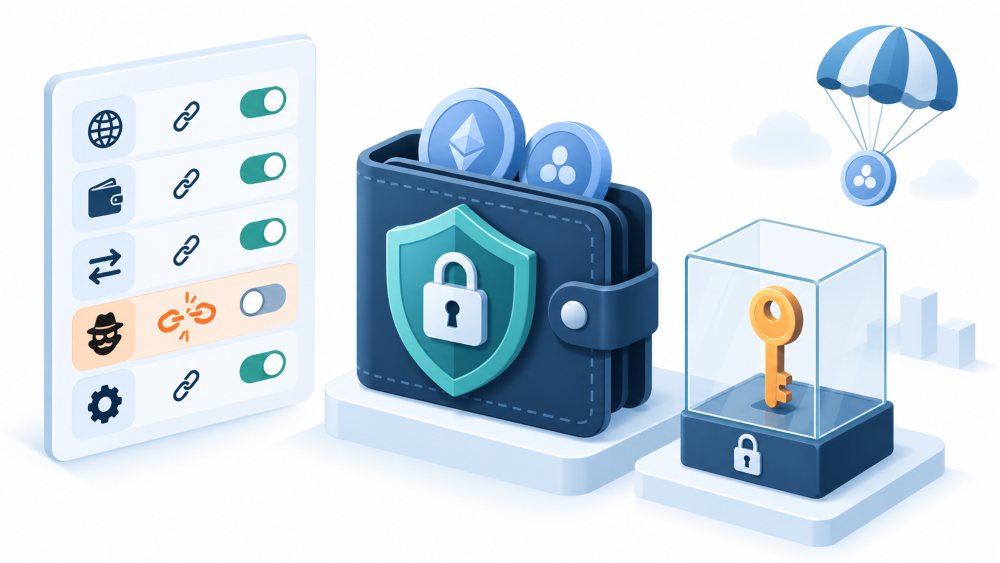
There’s no such thing as a free lunch. Airdrops have become a hotspot for sophisticated scams targeting both newcomers and seasoned users. If something appears too good to be true, it probably is, and there’s always a cost, whether it’s your time, data, or your online safety. If you’ve joined an airdrop recently, review the permissions granted for your wallet. You can use tools like Revoke. Cash App or Etherscan Token Approval Checker to keep an eye on and revoke dangerous approvals.
Many pros use a burner wallet for crypto airdrops. If you want to join in on the action, have an account with zero balance to test the waters first. That way, you can avoid losing your hard-earned money and get comfortable with how the project works before committing any meaningful sum of money. Never share your private keys with anyone, no matter how trustworthy they might seem. ‘Not your keys, not your crypto‘ is definitely a mantra that can help transform your life.
Wrapping It Up
Airdrops are opportunities to earn free coins in exchange for a relatively small amount of work. Because digital assets move like a rollercoaster, rising and falling with intense speed, you get your hands on something that could be worth much more at some point in the future. Attention should be paid to the fact that some projects use their upside to create hype, so they don’t deliver any real value, while others may require you to interact with smart contracts that aren’t fully vetted.
Disclaimer: This article is for informational and educational purposes only and does not constitute financial, investment, legal, or tax advice. Cryptocurrencies are highly volatile and carry a substantial risk of loss, including the total loss of funds. Nothing here should be read as a recommendation to buy, sell, or hold any digital asset, or to participate in any particular airdrop. Third-party tools and websites mentioned are referenced for convenience only and are not endorsed by the author or this publication. Always conduct your own research, verify contract addresses independently, and consult a qualified financial professional before making any financial decision. The author and publisher accept no liability for losses arising from actions taken based on this content.