
Blog
A Gaming Persona That Goes Beyond The Game: Create Your Own AI Influencer

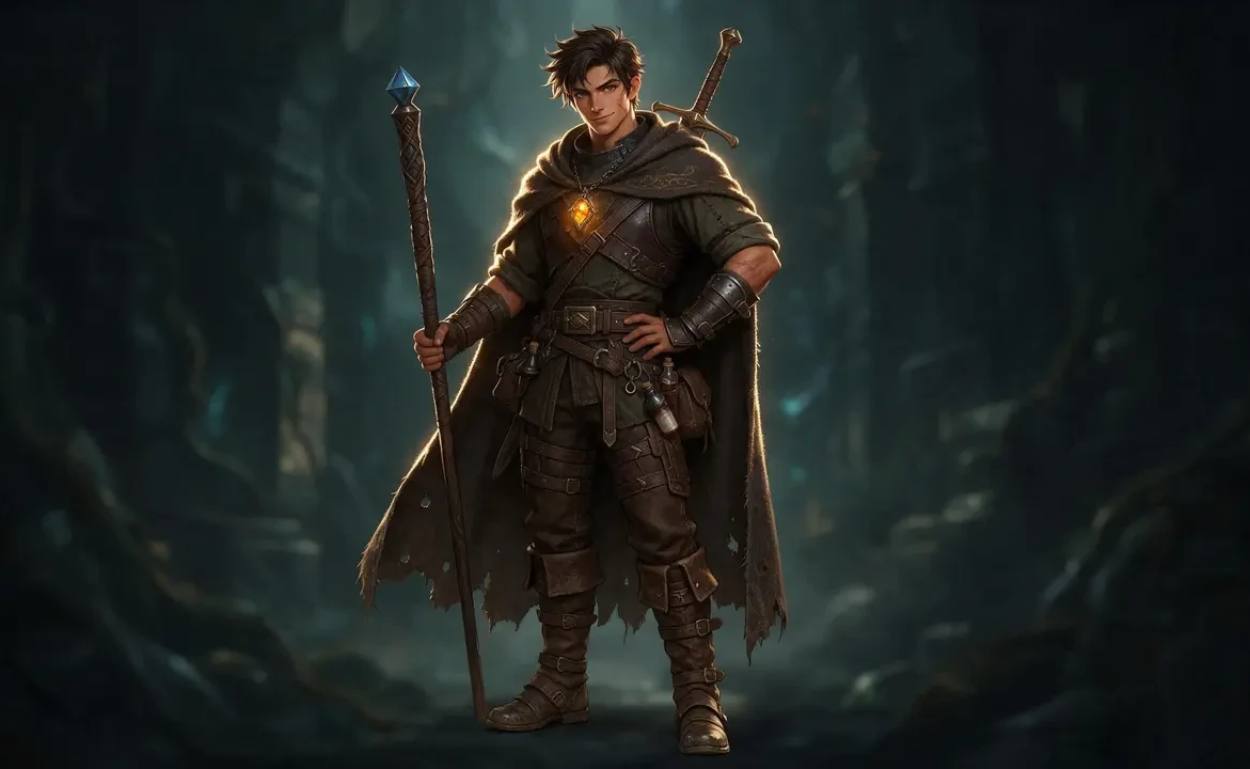
Your favourite gaming moment might be a puzzle you finally solved, a shortcut that went hilariously wrong, or a teammate who kept everyone laughing. You want to share those stories, but you may not want to appear on camera every time. An ai influencer can give your gaming posts a recurring host, helping connect your puzzle journals, challenge ideas and funny recaps. The player still chooses the stories and interacts with the community.
The idea is not to pretend a generated character played a game. It is to use an original persona as a creative host for real gaming experiences, fictional challenges or conversations with other players. A small, recognisable character can give those posts a thread that continues after the game is over.
Start With The Gaming Moments You Want To Share
A virtual gaming persona could introduce a puzzle-of-the-week post, react to an unusual game mechanic, or accompany a player’s journal about learning a new genre. It does not need to be an expert who wins every match. In fact, a character who is curious, easily distracted or determined to solve one more puzzle may be more enjoyable to create.
Think about the moments you already talk about with friends. Do you like comparing different solutions? Do you collect funny mistakes? Are you drawn to the atmosphere of exploration games? Those interests can provide a purpose for the character before you decide what it looks like.
Imagine a fictional host called Pip: a small illustrated explorer with a notebook and a habit of noticing hidden details. Pip introduces the creator’s weekly puzzle journal. The character does not claim to have played the games; it helps frame the real player’s observations and questions.
That distinction keeps the account clear. The player supplies the actual experience, while the persona offers a creative way to present it.
Choose A Role That Fits The Community
Different roles lead to different content. A curious explorer might ask how other players approached a tricky level. A comic sidekick could introduce a funny in-game mistake. A puzzle host might present a challenge and reveal the answer later. A fictional guide could explain the rules of an original imaginary world.
Choose one role for the first few posts rather than giving the character every possible job. Pip’s role might be to ask questions about exploration and puzzles. If a post includes an actual game tip, the human creator should verify it against the game and version being discussed.
A virtual host is not automatically an official guide, expert player or representative of a game studio. If the character is independent, make that clear. Do not imply a partnership, endorsement or access to unreleased information that does not exist. The FTC’s guidance on endorsements is a useful reference for how sponsored and affiliated content should be disclosed.
The character can be playful without pretending the information is more authoritative than it is. “Here is the route I tried” is a different claim from “This is the only way to win.”
Design For Recognition At A Small Size
Gaming communities often encounter characters in profile pictures, comments, small video frames or mobile screens. An intricate design may look impressive when enlarged but become difficult to recognise as an avatar.
Start with a clear silhouette and a few distinctive features. Pip might have a round explorer’s hat, a small notebook and a bright green scarf. A limited set of shapes and colours can help the character remain recognisable whether it appears beside a caption or in a larger illustration.
Those features should support the role. A notebook fits a character who collects observations; a map might suit an explorer; a simple speech bubble could work for a puzzle host. Avoid adding objects just because they look “gamer-like” if they do not contribute to the idea.
Try viewing the image at the size it would appear in the intended profile or post. Can you still recognise the character? Does the face or main shape remain clear? Save the original at a useful quality, then check each platform’s current requirements before cropping or uploading.
Create A Reference Before Creating A Series
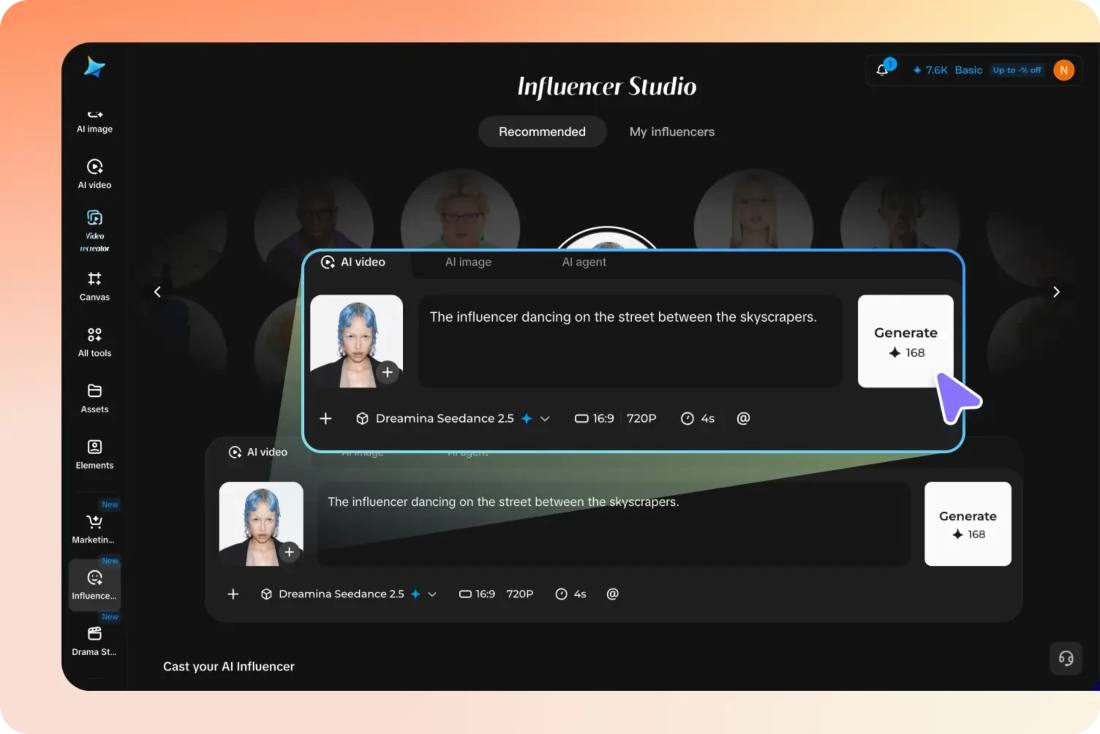
Write a short description of the character’s appearance and role. For Pip, that might be: “An original illustrated explorer with a round hat, green scarf and small notebook; cheerful and curious; designed as an independent host for puzzle and exploration posts.”
Dreamina supports creating virtual characters from a text description or an authorised photo reference. Use Pip’s description to explore an original host, select a version that suits the account and save the character for reuse in images and videos. Keep the approved image and a short note of the hat, scarf and notebook so that you can compare later versions.
To create a puzzle-journal cover, you might describe Pip holding a notebook beside a large question mark, with clear space for a title. For a challenge post, keep the same character and change the action: Pip points towards two illustrated paths. These are fictional supporting visuals; add an actual gameplay screenshot separately only when you are permitted to share it.
Generated versions may change details. A scarf might disappear, a hat might change shape, or a character might look different from one image to the next. Compare new images with the reference and choose the ones that preserve the details you need. Available models and controls can vary, so check the current options and cost before generating several versions.
Do not upload a photograph or artwork just because it is easy to find online. Use material you own or have permission to adapt, and check the service’s current terms. The U.S. Copyright Office’s AI resources explain how ownership questions around AI-assisted work are currently being approached. If another artist helps create the character, agree how their work may be used and credited.
Give The Persona A Voice Without Inventing Expertise
A character’s voice can be as simple as the type of question it asks. Pip might say, “I found three paths. Which one would you try first?” A competitive character might turn the same moment into a playful challenge. A calm guide could invite players to slow down and look for clues.
Choose a tone that suits the community you want to participate in. Friendly curiosity leaves room for different skill levels; jokes about repeated failures should not make players feel unwelcome. Avoid presenting an imagined character’s comments as messages from a real player who did not write them.
The person managing the account should review the final wording and any gameplay advice. If a clue, setting or solution is uncertain, say so. Games change, and a tip that works in one version or mode may not apply everywhere.
If you use a generated voice for a video, ensure you have the rights and permissions required. Do not imitate a recognisable player’s voice or imply that a real person is speaking without authorisation. Captions can make the post understandable to people watching without sound.
Three Ways To Make The Character Part Of A Post
A puzzle journal: pair a real screenshot you are permitted to share with a small image of the character holding a notebook. In the caption, describe what you tried and ask how others approached the puzzle. Avoid revealing the solution in the first line if the community expects spoiler warnings.
A weekly challenge: use the character to introduce a simple, optional prompt such as “Try a route you usually ignore” or “Find a creative way to solve a level”. Explain whether the challenge is an informal community activity and avoid implying that a game developer is running it.
A comic recap: use an original illustrated scene to retell a funny mistake, while making clear that the illustration is a creative interpretation. If friends appear in the original gameplay, ask before sharing their names, voices or other identifying details.
A saved character can help tie these different formats together. For example, reuse Pip in a still cover for the puzzle journal and explore a short video introduction for the challenge. Review the character and props in every frame: generated visuals can change, and an invented scene should never be presented as actual gameplay. The substance still comes from a real question, experience or clearly fictional idea.
Build A Conversation, Not An Automatic Reply Machine
A virtual character can invite players to contribute ideas, but someone still needs to read and manage the responses. A question like “Which route would you choose?” works best when the creator is prepared to acknowledge different answers and keep the discussion respectful.
Consider the audience. A casual puzzle community may include new players and people of different ages. Do not pressure anyone to reveal a real name, location, age or account credentials to take part. Follow the relevant platform rules and moderate comments where the tools allow.
It is also fine for the character to have limits. If someone asks for a solution the creator has not checked, the honest response is to say so. If a discussion turns into harassment or spam, a fictional personality is not a substitute for clear community rules and human moderation.
The account can give the character a playful tone while making it clear that real people are responsible for the posts and decisions behind it.
Keep The Gaming World And The Character’s World Distinct
Game characters, artwork, logos and screenshots may be protected or subject to the game creator’s rules. Before using them in a post, check the relevant permissions and platform policies. Creating an original host is usually a clearer starting point than copying a recognisable character or presenting an unofficial account as part of a game.
Likewise, an AI-generated scene inspired by a genre should not be labelled as an actual screenshot or proof of a game feature. A fantasy landscape can accompany a fictional story, but viewers should be able to tell whether it depicts real gameplay.
If a post discusses a real game, verify the title, current feature and context. Do not invent a release, collaboration or character appearance to make a story more exciting. When sharing someone else’s clip or artwork, obtain permission where required and credit the contributor appropriately. If the work is shared under a Creative Commons licence, follow the attribution terms that come with it.
Make the virtual nature of the persona clear in the profile or post, especially where a viewer might mistake it for a real person or an official game representative. Some platforms, including YouTube, ask creators to disclose altered or synthetic content in certain videos. Transparency leaves room for creativity and gives the community an honest understanding of what it is seeing.
Make The Next Post Worth Returning For
You do not need a complicated backstory or a perfect visual identity to start. Choose a gaming interest, give the character one clear role and make a short series around moments you genuinely enjoy sharing.
A virtual gaming persona can connect posts across different sessions, but the conversation still belongs to the players. The best character is the one that helps make those stories easier to share and more enjoyable to discuss.
Disclaimer
This article is for general information only and is not legal advice. It is not affiliated with or endorsed by any game developer, publisher or platform mentioned. Always check current platform terms and usage rights before publishing.