
Blog
How Steam’s Digital Economy Changed Expectations Around Speed And Value


Steam changed PC gaming by making purchase, download and return part of the same routine. In 2026, Valve said its store delivered 100 exabytes of data in 2025, up from 80 exabytes the year before, with users averaging 274 petabytes of installs and updates each day. That is a large number for a simple habit: press a button, get the game, judge it fast.
That habit now shapes other kinds of online leisure. A Canadian player who can download a 90GB title, refund a poor fit and track wish list deals will bring similar expectations to mobile play, browser titles and paid entertainment. Speed attracts attention, but value decides whether the user returns. The same lesson applies to every app that asks for money and patience.
Review Culture Moved From Games To Leisure
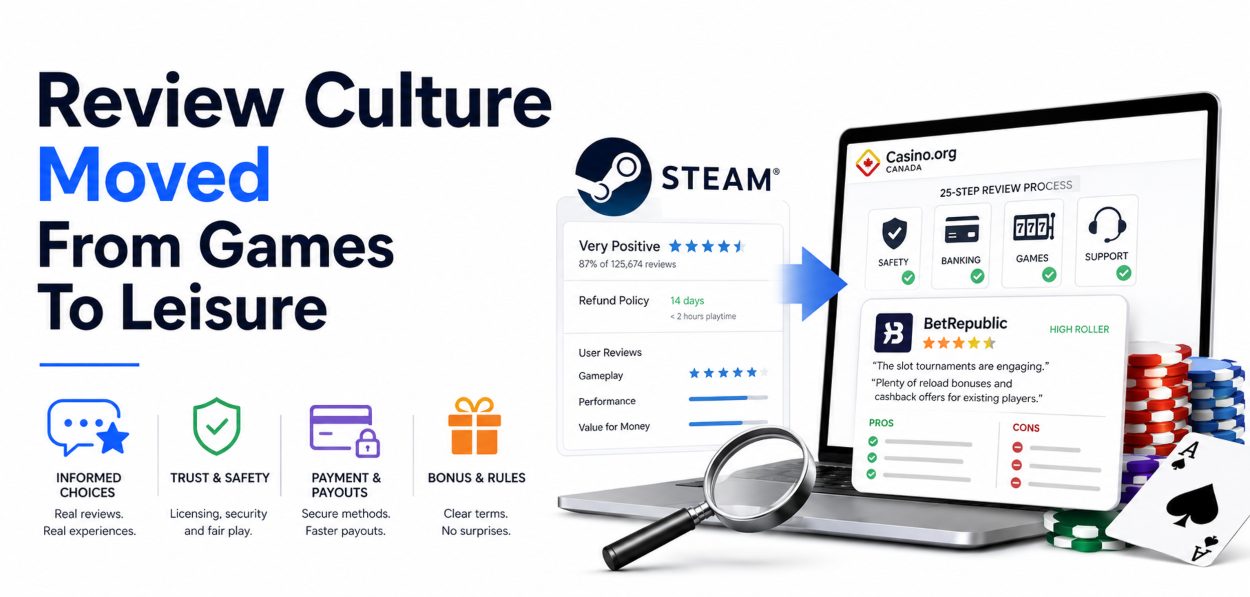
Casino comparison sites grew because digital markets ask users to choose before they can test much. A good review page explains licensing, payment methods, payout speed and bonus rules in normal language. For readers comparing gambling sites in Canada, Casino.org Canada explains the merits of 180 legal sites across 10 provinces. Its review method also describes a 25-step process covering safety, banking, games and support.
Casino.org expert Daisy Harrison gives thorough reviews on each covered platform, noting, for example, that on BetRepublic “the slot tournaments [are] engaging” and that she “noticed plenty of reload bonuses and cashback offers for existing players.” In each review, the pros and cons are listed, with BetRepublic deemed a good option for high rollers.
That kind of guide works because people already compare online products before committing money. Steam taught many users to expect ratings, filters and store evidence before a purchase, while casino guides answer the same need in a market where rules carry more weight.
Steam trained users to think in terms of friction. A sale price feels good only if the download works, the account stays secure, and the product runs as promised. Valve’s refund policy says customers can request refunds for games and software within 14 days of purchase, with less than two hours of playtime. That rule changed expectations around value because it gave players a limited trial period with real money on the line.
Speed Became A Basic Expectation
Fast access now feels standard across digital entertainment. A mobile gamer wants a browser title to open without a large install, and a PC player wants a patch to arrive before a free evening disappears. Statistics Canada reported that 87% of Canadians watched content online in 2022, while 37% played video games online. The same report found younger users spent more time online, which helps explain why short sessions carry commercial value.
The wider Canadian game sector gives that behaviour a strong base. Statistics Canada said the number of video game firms rose from 775 in 2013 to 1,628 in 2022, while industry revenue climbed from $2 billion to $7 billion. That growth shows how far games have moved into the country’s creative economy. It also shows why user expectations keep rising. People now judge software by speed, price and support within minutes.
Affordable gaming has become part of that expectation. Free-to-play titles, seasonal discounts and browser games give users ways to play without a large purchase. Steam’s wish list and sale culture helped train users to wait for the right price, while mobile platforms trained them to expect low entry costs. Cheap access can widen the audience, but it also raises the bar. If a game wastes time, the price no longer saves it.
Value Now Means Control
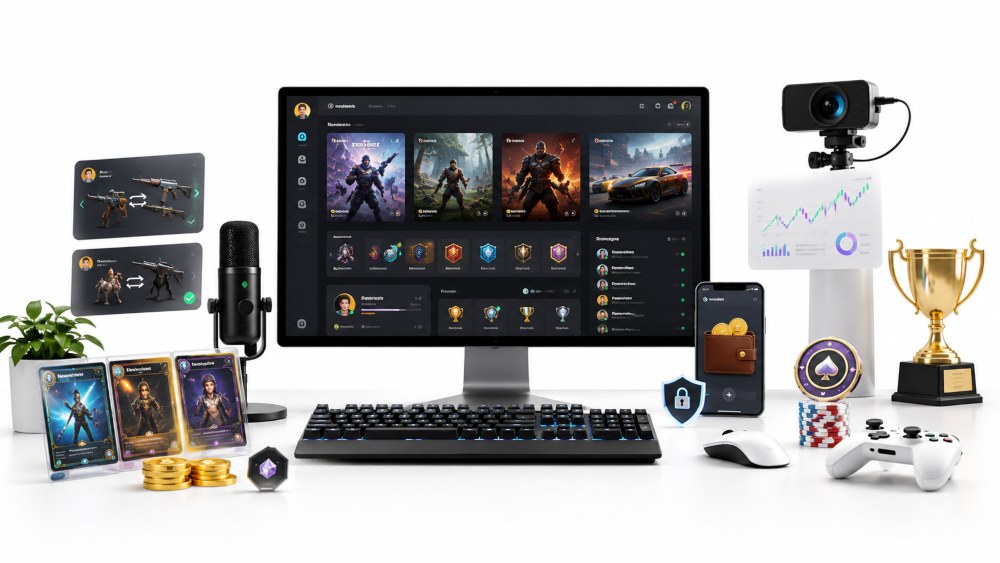
Steam’s economy also changed how players view ownership. A user can buy a game, collect achievements, trade community items and follow developer updates in one account. Valve’s Steam Trading Cards FAQ says cards are collectible items earned by playing games, and full sets can earn profile items. That may sound small, but it turns play into a record of taste, time and identity. The account becomes part library and part diary.
Some creators earn from streaming, tournaments or game development, while some users sell digital items for store credit. Steam’s Community Market FAQ says buyers pay a transaction fee, shown before purchase. It also works inside Steam Wallet rules, so it should not be treated like a job. A hobby can produce value, but most players should treat that value as entertainment credit.
Ontario’s iGaming market shows how similar thinking has entered regulated gambling. iGaming Ontario reported $82.7 billion in wagers and $3.2 billion in gaming revenue for 2024-25, with casino games accounting for $69.6 billion in wagers. Those figures show a large adult market where payment clarity, site quality and account controls need to match the speed of access.
Steam Lesson Travels
Steam gave users a working model for fast choice. Browse, compare, buy, download and judge. That model now follows them across mobile games, streaming apps and regulated gaming sites. The best digital products respect the pattern without hiding the cost. They explain the price, show the terms and let users move without hunting through menus.
The lesson for Canadian readers is practical. Fast access can start a session, but value comes from control. Check reviews before money moves. Read refund rules before buying. Check wagering terms before claiming a casino offer. A good digital product should survive a digital investigation.
Conclusion
Steam changed more than the way PC players buy games. It changed how people judge digital value. Fast downloads, visible reviews, flexible refunds, wish list alerts and account-based libraries taught users to expect speed, proof and control before they commit money.
That expectation now reaches beyond PC gaming. Mobile games, browser entertainment, streaming platforms and regulated adult gambling sites all face the same pressure. Users want quick access, clear terms, safe payments and a fair reason to return. Speed may bring people in, but value keeps them there.
For Canadian users, the lesson is simple. A good digital product should make its costs, limits and rules easy to understand. Whether someone is buying a game, trying a new app, or reading about a regulated entertainment site, the best choice is the one that gives them control before money moves.
Disclaimer
This article is for general information only. It is not financial, legal, or gambling advice. Online gambling is restricted by age and location, and rules vary by province. Readers should check local laws, use only regulated platforms where legal, and avoid gambling if they are underage or at risk of gambling-related harm. Gambling should never be treated as a way to earn income or recover losses. If gambling stops feeling controlled, seek help from a recognized support service or responsible gambling organization.