
Blog
How to Build a Gaming and Pop Culture Collection That Holds Its Value

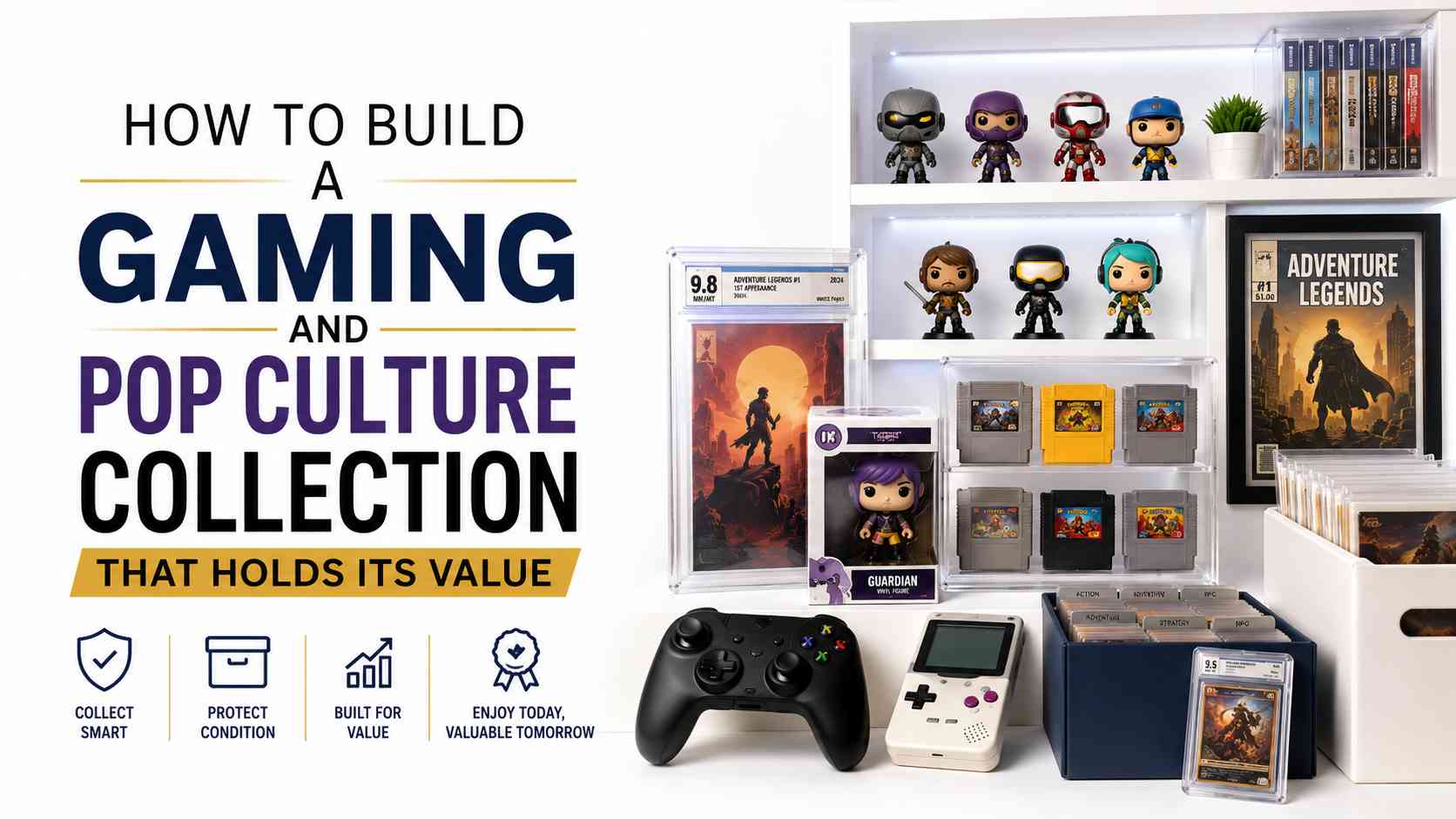
A gaming collection often starts with pure fandom. Maybe it is a boxed copy of a favorite game, a limited-edition controller, a vinyl soundtrack, a figure from a streamer drop, or a statue from a franchise you have followed for years. That emotional side matters because a collection should be fun to own.
Still, if you want your collection to hold value, you need more than good taste. Strong collections are built with focus, patience, condition checks, proof of authenticity, and smart timing. Whether you collect gaming figures, retro games, esports merch, anime collectibles, creator drops, steelbooks, or console accessories, the same rule applies: buy what you love, but treat every purchase like it may need to be sold, traded, or valued later.
Start With Franchises That Have Real Fan Demand
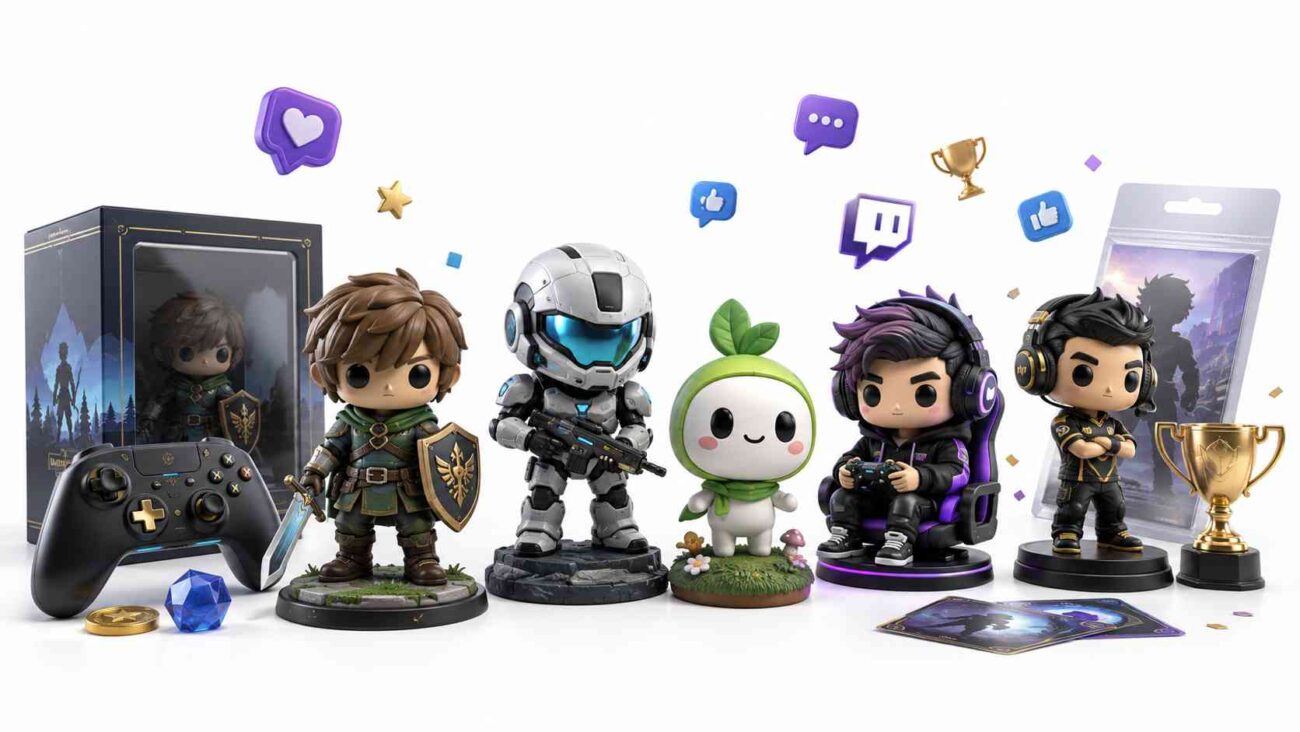
The strongest collectibles usually come from communities that stay active after the first wave of hype. Gaming is a good example. A figure linked to a long-running franchise, a famous streamer, a cult indie game, or a major esports team often has more staying power than a random product tied to a short trend.
Look for signs that people still care. Are fans still talking about the character? Is the game still played, streamed, speedrun, or discussed? Does the franchise have sequels, updates, tournaments, anniversaries, or new media releases? These things can keep attention alive.
For example, character-based collectibles from brands like Youtooz often appeal to gamers because they connect with games, creators, animation, internet culture, and TV fandoms in a format that collectors can easily compare across different releases.
Choose a Clear Collecting Lane
A random shelf can still look cool, but a focused collection usually feels stronger. It also becomes easier to manage, value, and sell if needed.
Good Collection Themes For Gamers
You could build your collection around:
- One game franchise
- One character or hero
- One console generation
- Retro boxed games
- Esports team merchandise
- Streamer and creator collectibles
- Limited-edition controllers
- Gaming statues and figures
- Steelbooks and collector’s editions
- Anime or game crossover items
A clear theme helps you avoid buying every exciting drop you see. It also makes your collection easier for other fans to understand. If you ever sell, a focused set can attract buyers who want a ready-made collection instead of separate loose items.
Learn The Difference Between Rare And Valuable
Rare does not always mean valuable. A collectible can have a low production run but still struggle to sell if the fanbase is small or inactive. Value depends on scarcity plus demand.
Scarcity Signals Worth Checking
Pay attention to:
- Limited production runs
- Numbered editions
- Convention exclusives
- Retired items
- Closed preorder windows
- First-edition releases
- Signed versions with proof
- Fast sellouts from official stores
Keep notes on release dates, original retail prices, and any official production details. These records make it easier to assess future value rather than relying on guesses or social media hype.
Protect Condition From Day One
Condition is one of the biggest factors in value in gaming and pop culture collecting. A figure with a damaged box, a scratched steelbook, or a faded poster may still be enjoyable, but buyers often pay more for clean, complete items.
What Serious Collectors Look For
Buyers usually check:
- Box corners
- Window plastic
- Seals and stickers
- Inserts and manuals
- Certificates of authenticity
- Paint quality
- Sun fading
- Scratches
- Dust damage
- Water marks
- Missing parts
Store items away from direct sunlight, damp areas, heat, and heavy pressure. If you collect boxed games, figures, or statues, avoid stacking heavy items on top of lighter packaging. Small storage mistakes can cause long-term damage.
Keep The Original Packaging When Possible
For many gaming collectibles, the box is part of the product. It confirms the item, shows official artwork, protects the contents, and can make resale easier.
This matters even more for:
- Collector’s editions
- Limited-edition figures
- Retro games
- Console bundles
- Signed merch
- Event exclusives
- High-end statues
- Special controllers
Opening an item is a personal choice. Some collectors want everything sealed, while others enjoy displaying figures and gear out of the box. Neither approach is wrong. Just understand that sealed or complete-in-box items usually attract stronger resale interest.
Do Not Buy During Every Hype Spike
Gaming hype moves fast. A new trailer, tournament win, streamer mention, patch update, anime adaptation, or anniversary announcement can quickly push prices up. Buying during that rush can be risky because prices may drop once attention cools.
Smarter Buying Habits
Before paying a Premium, check:
- Original retail price
- Recently sold prices
- Current supply
- Seller reputation
- Condition
- Whether the hype is temporary
- How often similar items appear for sale
Do not judge value by asking prices alone. Many listings sit unsold because the seller is aiming too high. Completed sales show what people actually paid.
Watch Gaming And Pop Culture Cycles
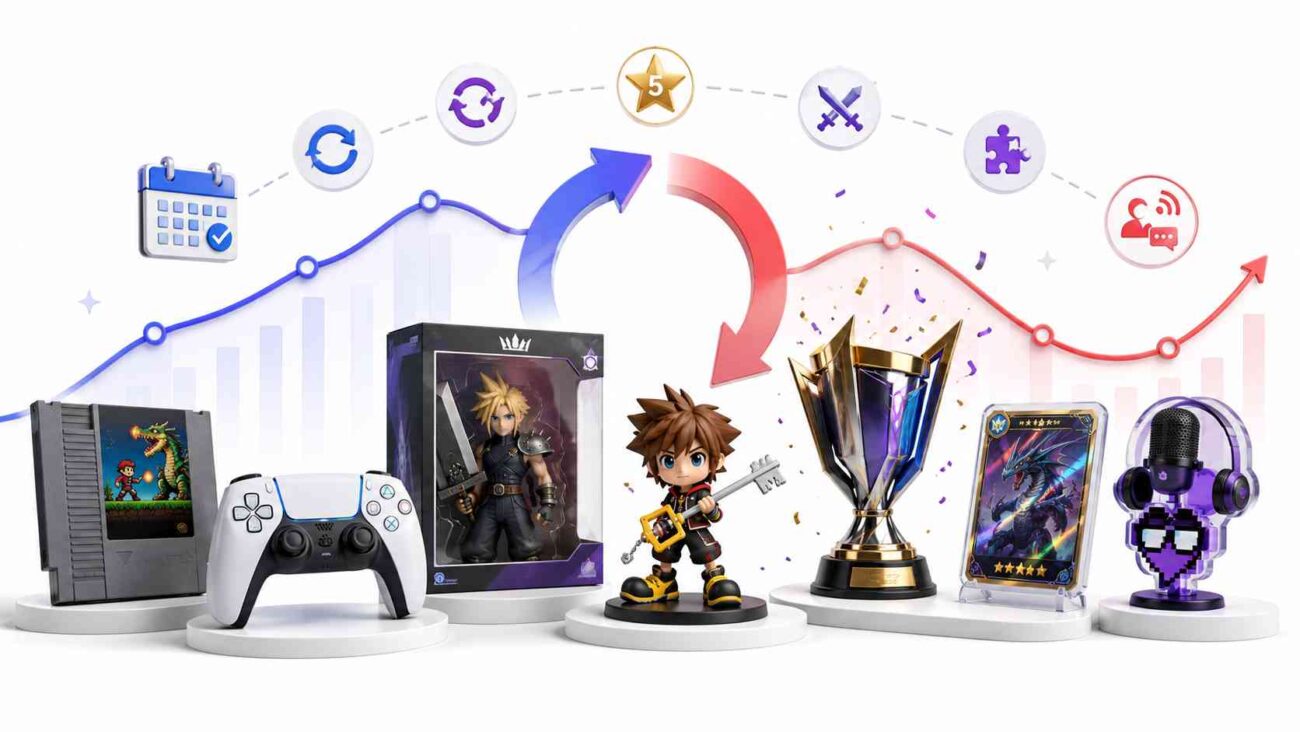
Collectibles often rise and fall with fan activity. A game update, remake, esports event, sequel, anniversary, or creator milestone can bring older items back into demand.
For example, retro games may gain attention when a remake is announced. Esports merch can spike after a major tournament. A character figure may become more desirable after a new season, DLC release, or crossover event.
Good collectors learn to watch these cycles without panic-buying. Sometimes the best time to buy is before the attention returns. Other times, it is after the first rush fades and sellers become more realistic.
Verify Authenticity Before Paying More
Counterfeits, unofficial reprints, fake signatures, and misleading listings can damage value. This is especially important for rare figures, signed merch, old games, sealed items, and event exclusives.
How To Reduce Risk
Check:
- Official product photos
- Packaging details
- Edition numbers
- Seller history
- Receipts or order confirmations
- Authentication documents for signed items
- Community guides and collector forums
- Print quality, logos, and spelling on boxes
A signature without proof may not add much value. In some cases, it can even make buyers suspicious. For expensive items, clear provenance matters.
Store Items Like You Expect To Sell Them Later
Good storage is not complicated, but it needs consistency. Keep collectibles clean, dry, upright, and protected from sunlight. For prints, cards, manuals, posters, and paper inserts, use acid-free sleeves or backing boards where possible.
Storage Tips For Gaming Collectors
Use:
- Dust-free display cabinets
- UV-protected cases for valuable pieces
- Soft sleeves for paper items
- Protective cases for boxed games
- Stable shelves that do not bend
- Dry rooms with a steady temperature
- Clear labels for stored boxes
Take photos every few months if your collection is valuable. A dated record can help with insurance, resale, trades, or simply tracking condition over time.
Build A Simple Inventory
Once a collection grows, memory becomes unreliable. You may forget what you paid, where an item came from, or whether a box had a small mark when you bought it.
A basic spreadsheet can save time and money.
Useful Details To Track
Include:
- Item name
- Franchise or game
- Character
- Release date
- Purchase date
- Purchase price
- Seller or store
- Condition notes
- Box condition
- Edition number, if available
- Photos
- Current value checks
This helps you spot duplicates, weak purchases, missing pieces, and items that no longer fit your collection.
Know When To Sell, Trade, Or Upgrade
A valuable collection is not always a large collection. Sometimes selling weaker items helps you buy better ones. This is especially useful for collectors with limited space or budget.
Review your collection once or twice a year. Ask yourself:
- Does this item still fit my theme?
- Would I buy it again today?
- Has the value increased enough to sell?
- Is it taking space from something better?
- Is it a duplicate?
- Is the condition worth upgrading?
Selling selectively does not mean you are less of a fan. It means you are building with purpose.
Conclusion
A gaming and pop culture collection holds value when smart habits support passion. Focus on real fan demand, clean condition, original packaging, verified authenticity, careful storage, and sensible buying prices.
No collector can predict every price change. Games rise and fall in popularity, streamers move on, esports teams change rosters, and fan attention shifts. But you can avoid the most common mistakes by keeping records, buying patiently, and properly protecting your items.
The best collections are not just expensive shelves. They tell a clear story, reflect genuine fandom, and stay organized enough to remain enjoyable and tradable for years.