
Blog
A Beginner’s Survival Guide to Trading Crypto Futures Successfully

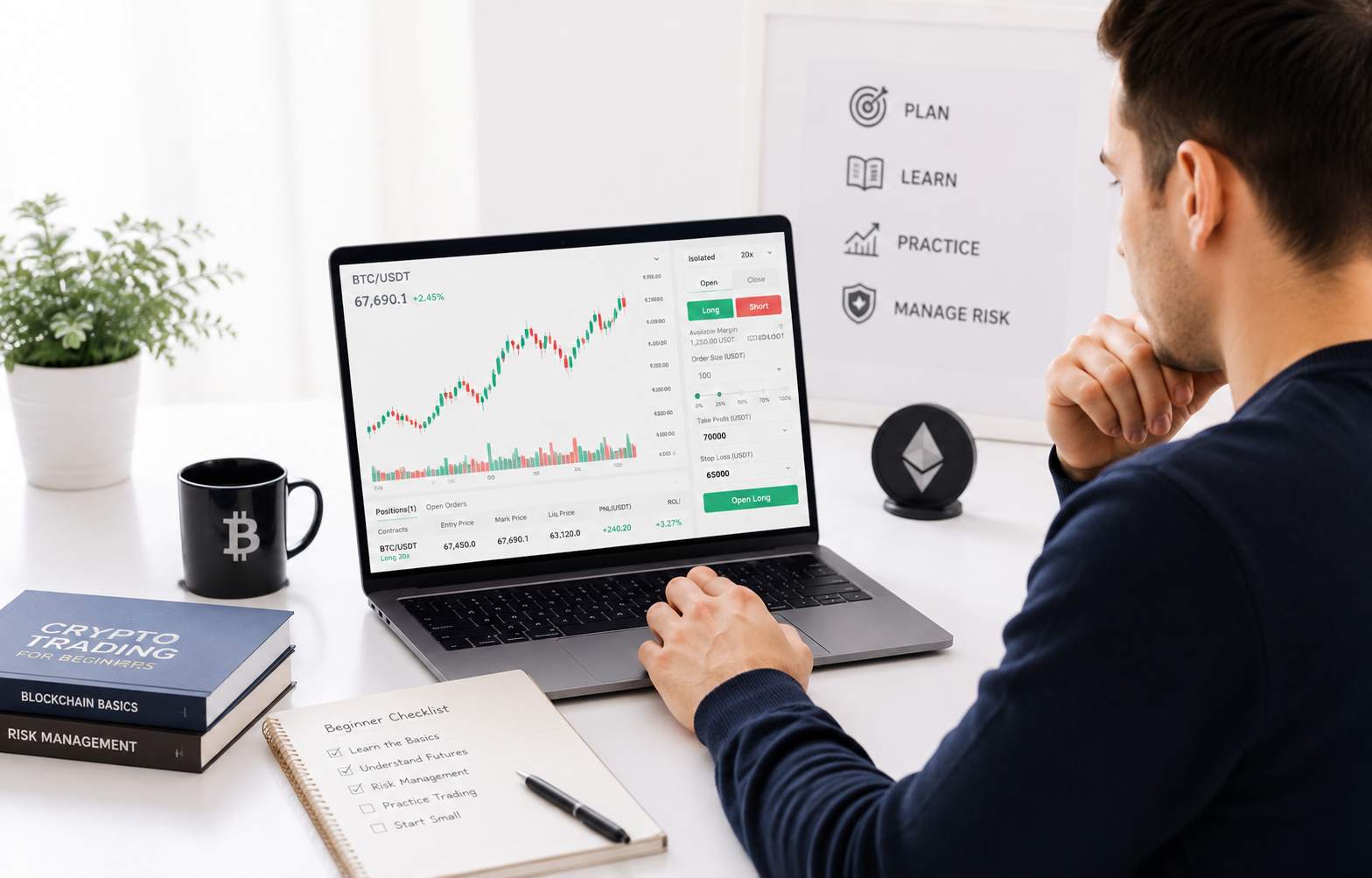
Cryptocurrency trading has opened new opportunities for people who want to take part in fast-moving digital markets. Among the many trading options available, crypto futures trading has become one of the most popular. It allows traders to speculate on whether the price of a cryptocurrency will rise or fall without actually owning the coin.
For beginners, crypto futures can look exciting because of the chance to profit in both rising and falling markets. However, it is also one of the riskier areas of crypto trading. Prices can move quickly, leverage can increase losses, and emotions can lead to poor decisions. Many new traders lose money not because they do not understand crypto, but because they trade without a proper plan.
The good news is that futures trading can become easier to understand when you start slowly, manage risk carefully, and build real trading discipline. This beginner-friendly guide explains the key things you should know before trading crypto futures.
Understanding the Basics of Crypto Futures Trading
Before you place any trade, it is important to understand what crypto futures actually are.
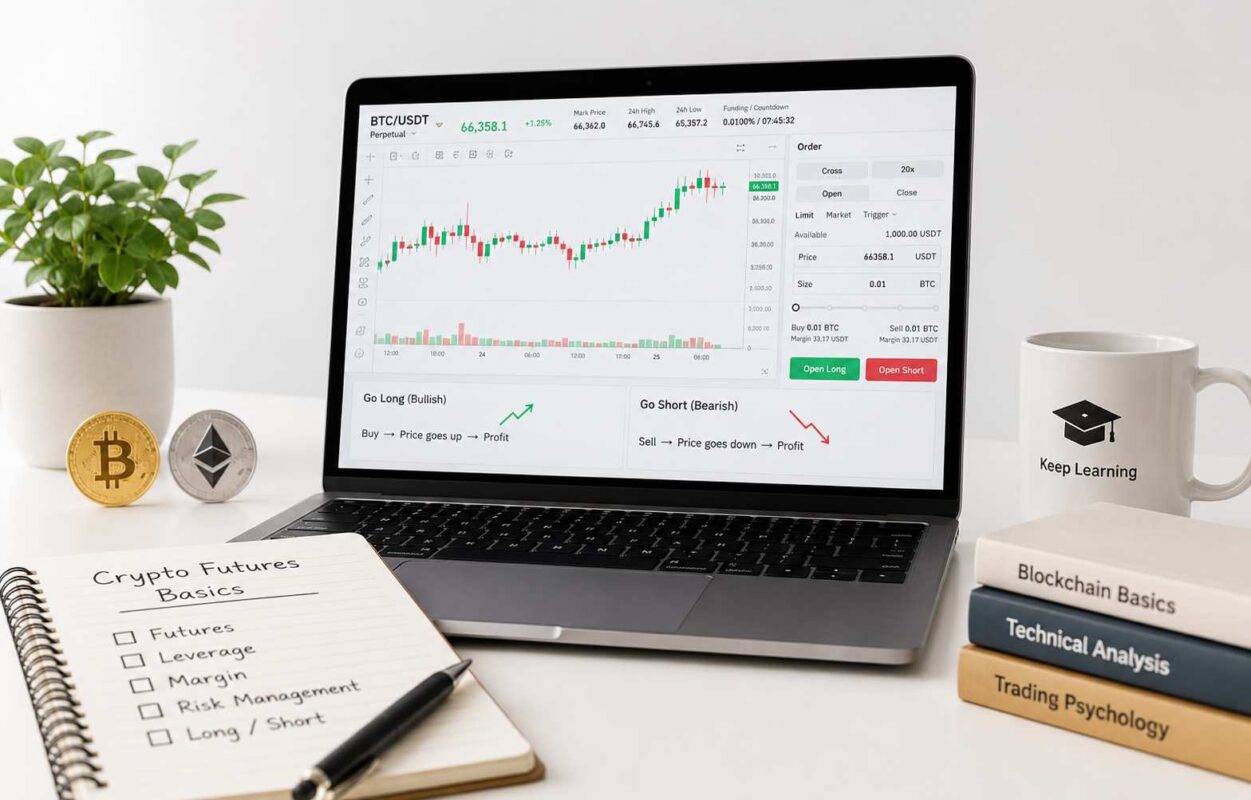
A futures contract is an agreement based on the future price of an asset. In crypto futures trading, that asset is usually a cryptocurrency such as Bitcoin, Ethereum, Solana, or another digital coin. Instead of buying and holding the coin directly, you are trading based on where you think the price will move.
If you believe the price of Bitcoin will go up, you can open a long position. This means you are trying to profit from an increase in price.
If you believe the price will go down, you can open a short position. This means you are trying to profit from a price drop.
This ability to trade in both directions is one reason why futures trading attracts many traders. In spot trading, you usually make money only when the asset price rises. In futures trading, you can take advantage of both bullish and bearish market conditions.
However, this flexibility also comes with extra responsibility. Futures trading is not only about guessing price direction. You also need to understand margin, leverage, liquidation, fees, funding rates, and risk management.
Why Leverage Can Be Both Helpful and Dangerous
Leverage is one of the biggest reasons people are drawn to crypto futures. It allows you to control a larger position with a smaller amount of money.
For example, if you use leverage, a small deposit can give you exposure to a much bigger trade. This may increase your potential profit if the market moves in your favor. But the same thing works in the opposite direction. If the market moves against you, your losses can also grow very quickly.
This is where many beginners make mistakes. They see leverage as a way to make fast money, but they do not fully understand how quickly it can damage their account. High leverage leaves very little room for price movement. In crypto markets, where prices can change sharply within minutes, this can be extremely risky.
A safer beginner approach is to use very low leverage or avoid leverage entirely while learning. The goal in the beginning should not be to make huge profits. The goal should be to survive, learn, and avoid losing your account too quickly.
Start Small and Protect Your Capital
One of the most important rules in crypto futures trading is simple: protect your money first.
Many beginners enter the market with the mindset of making quick profits. They risk too much on one trade, use high leverage, and try to recover losses by placing even bigger trades. This usually leads to emotional decisions and bigger losses.
Starting small gives you room to learn. When your trade size is small, you can think more clearly. You can study your mistakes without feeling extreme pressure. You can also stay in the market longer, which gives you more time to gain experience.
A smart beginner should only use money they can afford to lose. Crypto futures are risky, and there is no guaranteed profit. You should never trade with money needed for bills, rent, education, family needs, or emergencies.
It is also helpful to limit how much of your account you risk on each trade. Instead of putting a large portion of your funds into one position, use smaller trade sizes. This way, one bad trade will not destroy your entire account.
Practice First with a Demo Trading Account
Before trading with real money, beginners should spend time using a demo account. Demo trading lets you trade with virtual funds while watching real market movements, which makes it a safer way to understand how futures trading works. It also helps you learn how to open and close positions, use stop-loss orders, test strategies, and manage risk without putting your own money at risk. For beginners, it is a smart idea to practice trading crypto futures using flpp.io before moving into live trades.
This is useful because it helps you understand how the trading platform works. You can learn how to open and close positions, place buy and sell orders, set stop-loss levels, and test different strategies without risking real funds.
Platforms such as flpp.io and other crypto trading sites may offer tools that help beginners practice and understand market behavior. A demo account gives you a safer space to make beginner mistakes before real money is involved.
Demo trading also helps you build patience. Many new traders rush into live trading too soon. They may understand the basic terms, but still lack experience dealing with fast price movement. Practicing first can reduce confusion and help you become more confident.
However, remember that demo trading feels different from real trading. When real money is involved, emotions become stronger. That is why you should still start small when moving from demo trading to live trading.
Always Use a Trading Plan
Trading without a plan is one of the easiest ways to lose money. A trading plan gives structure to your decisions. It helps you avoid random trades based on fear, excitement, or social media hype.
Your trading plan should answer simple questions before you enter a trade:
- What cryptocurrency am I trading?
- Why am I entering this position?
- Am I going long or short?
- Where is my entry point?
- Where is my stop-loss?
- Where is my take-profit target?
- How much am I willing to risk?
- What will I do if the trade goes against me?
Having these answers before opening a position helps you stay disciplined. It also prevents you from making emotional changes once the trade is active.
A good trading plan does not need to be complicated. In fact, beginners should keep it simple. The more complex your strategy is, the harder it becomes to follow consistently.
Learn How Stop-Loss and Take-Profit Orders Work
A stop-loss is one of the most important tools in futures trading. It automatically closes your trade if the market moves against you by a certain amount. This helps limit your loss.
A take-profit order does the opposite. It closes your trade when the price reaches your profit target.
Beginners often avoid using stop-loss orders because they hope the market will reverse. Sometimes it does, but often it does not. Holding a losing trade for too long can turn a small loss into a much larger one.
Using a stop-loss does not mean you are a bad trader. It means you are managing risk. Even professional traders take losses. The difference is that they try to keep losses controlled.
Before entering any futures trade, decide where you will exit if the trade goes wrong. This small habit can protect your account over time.
Control Your Emotions While Trading

Crypto futures trading can be emotional. Prices move fast, profits can appear quickly, and losses can happen just as fast. This creates fear, greed, excitement, and stress.
Greed may push you to hold a profitable trade for too long. Fear may cause you to close a good trade too early. Revenge trading may make you enter another trade immediately after a loss because you want to win the money back.
These emotional reactions are common, especially for beginners. But they can be dangerous.
A disciplined trader does not chase every market move. They wait for proper setups. They accept that not every trade will be profitable. They also understand that staying calm is more important than being right all the time.
One helpful rule is to stop trading after a few losses in a row. Taking a break can prevent emotional decisions. Sometimes the best trade is no trade at all.
Avoid Chasing Hype and Social Media Signals
Online discussions, influencers, news, and trends heavily influence crypto markets. Beginners often see someone posting about a coin or a trade and feel pressured to join quickly.
This can be risky. By the time a trade becomes popular online, the best entry may already be gone. Entering late can expose you to sudden reversals.
You can use market news and community discussions for learning, but do not rely unthinkingly on other people’s calls. Always do your own research and understand why you are entering a trade.
If you do not understand the trade, it is better to skip it.
Keep a Trading Journal
A trading journal is one of the most underrated tools for beginners. It helps you track your decisions and learn from them.
After each trade, write down:
- The coin you traded
- Whether you went long or short
- Your entry and exit points
- Your profit or loss
- Why did you enter the trade
- What went well
- What you could improve
Over time, your journal will show patterns. You may notice that you lose money when trading during emotional moments. You may find that certain setups work better for you than others. You may also discover that you perform better when using smaller trade sizes.
Without a journal, it is easy to repeat the same mistakes again and again.
Learn the Market Before Increasing Risk
Many beginners want to grow quickly. They start with small trades, make a few wins, and then immediately increase their position size. This can be dangerous because a short winning streak does not mean you have mastered the market.
Crypto futures trading takes time to learn. Market conditions change. A strategy that works during a strong trend may fail during sideways movement. A coin that looks predictable one week may become extremely volatile the next.
Increase your risk slowly only after you have gained enough experience and consistency. Success in trading is not about one lucky trade. It is about making better decisions over a longer period.
Understand Fees, Funding Rates, and Liquidation
Beginners often focus only on entry and exit prices, but futures trading includes other costs and risks.
Trading fees are charged when you open and close positions. If you trade too often, fees can reduce your profits.
Funding rates may also apply in perpetual futures contracts. Depending on the market, you may pay or receive funding at certain intervals.
Liquidation happens when your margin is no longer enough to keep your leveraged position open. If this happens, your position can be closed automatically, and you may lose a large part of your funds in that trade.
Understanding these details helps you avoid surprises. Before using any futures platform, take time to read how its fees, margin rules, and liquidation system work.
Continue Learning and Improving
Crypto markets change constantly. New tools, trading methods, regulations, and market trends appear regularly. This means learning should never stop.
You can improve by watching educational videos, reading trading guides, studying charts, joining serious trading communities, and reviewing expert market analysis. However, avoid information overload. Beginners should focus on mastering the basics first.
Learn one strategy at a time. Practice it. Track your results. Improve slowly.
The best traders are not always the ones who know the most indicators. They are often the ones who manage risk well, stay patient, and keep learning from their own trades.
Final Verdict
Crypto futures trading can offer opportunities, but it is not an easy way to make quick money. It requires patience, discipline, risk management, and emotional control. Beginners should avoid rushing into large trades or using high leverage before they fully understand how futures markets work.
Start small. Practice with a demo account. Use a clear trading plan. Protect your capital. Keep learning from every trade. Most importantly, remember that survival comes before profit.
If you treat crypto futures trading as a skill to build instead of a shortcut to fast income, you will have a much better chance of growing as a trader over time.
Disclaimer
This article is for educational purposes only and should not be taken as financial advice. Crypto futures trading is highly risky and may lead to significant losses, especially when leverage is used. Always do your own research and consider speaking with a qualified financial professional before making any trading decisions.