
Why is Poker Taking Over Video Game Streaming Platforms?


Poker streams pull 185,000 concurrent viewers during major tournaments on Twitch, surpassing established esports titles like Overwatch and Rocket League. The transformation happened gradually, then suddenly. Five years ago, poker occupied a niche corner of streaming platforms. Now, professional players command audiences that rival those of mainstream gaming personalities, with streamers like Lex Veldhuis averaging 11,000 viewers per session and earning $2.8 million annually, according to TwitchTracker data.
The numbers tell a specific story. Poker viewership on Twitch increased 47% between Q3 2024 and Q3 2025, while traditional gaming content grew 12% in the same period per Stream Elements analytics. YouTube Gaming reports similar patterns: poker channels gain 2.3 million new subscribers monthly, compared to 1.1 million for first-person shooter channels. Kick, the latest platform, allocates 23% of its featured homepage slots to poker content, up from 8% at launch.
Economics Behind the Camera
- Professional poker players discovered that streaming solves a fundamental challenge in their profession. Tournament variance means even skilled players can go months without cashing. Streaming provides a steady income through subscriptions, donations, and sponsorships while they play. Daniel Negreanu’s YouTube channel generates $450,000 annually from advertising alone, according to SocialBlade estimates, in addition to his tournament winnings.
- Sponsorship deals amplify these earnings. GGPoker pays ambassadors a yearly base salary of $50,000–$500,000 plus performance bonuses, as reported by PokerNews. Compare this to mid-tier gaming streamers who struggle to secure $10,000 annual sponsorships. The poker industry’s marketing budgets dwarf those of game publishers, who rely on organic community growth rather than paid partnerships.
Tournament Formats and Broadcasting Logic
- Professional poker tournaments follow structures that translate naturally to streaming schedules. The World Series of Poker runs for weeks, providing consistent content that viewers can follow like a television series. Events like the European Poker Tour and World Poker Tour create storylines that build across multiple days, while high-stakes cash games on platforms like PokerGO offer continuous action. This programming consistency contrasts with video game tournaments that typically conclude within a single weekend.
- Streaming platforms favor content with predictable scheduling and extended viewing sessions. Poker delivers both. A single tournament final table can run 8–12 hours, keeping viewers engaged longer than most esports matches. The format also allows streamers to play online poker while broadcasting, creating a dual revenue stream that video game streamers cannot replicate. Platforms like GGPoker and PokerStars have built direct integrations with Twitch, allowing viewers to watch professionals compete in real time across multiple tables. This technical infrastructure took years to develop and now provides poker streamers with production capabilities that individual gaming streamers must build themselves.
Why Viewers Choose Cards Over Controllers
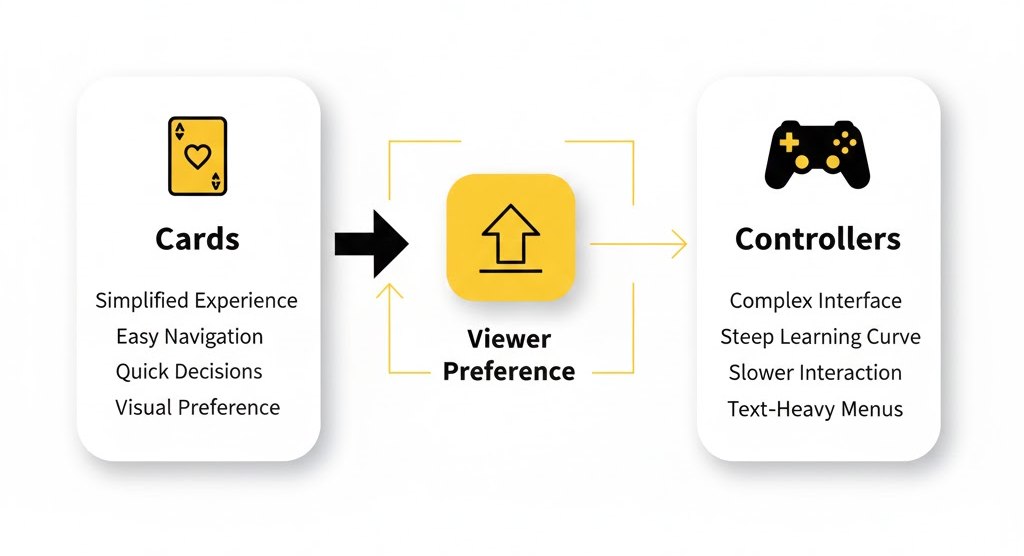
- Poker streams create parasocial relationships differently than gaming content. Viewers watch decision-making processes unfold in real-time, learning strategy while being entertained. The skill gap between professional and amateur poker players appears bridgeable, unlike the mechanical precision required in competitive gaming. A viewer can implement a betting strategy they observed immediately in their own games. They cannot replicate a 360-degree no-scope headshot.
- Chat engagement metrics support this theory. Poker streams average 14.2 messages per minute per 1,000 viewers compared to 8.7 for gaming streams, according to Hype Auditor analysis. The slower pace allows meaningful discussion about hand ranges, pot odds, and opponent tendencies. Gaming streams move too quickly for strategic analysis, so chat is limited to reactions and emotes.
Platform Algorithms and Discovery Mechanics
- Twitch’s algorithm changes in early 2025 began prioritizing “completion rate” over peak viewership. Poker streams excel at this metric because viewers stay for entire sessions. The average poker stream retains 73% of its audience after 2 hours, compared to 41% for variety gaming content, according to Stream Hatchet data. This algorithmic preference creates a feedback loop where poker content receives more homepage placement, attracting new viewers who then discover the format’s appeal.
- YouTube’s recommendation system similarly favors poker’s longer average view duration of 47 minutes compared to gaming videos’ 19 minutes. The platform’s “session duration” metric, which measures the total time spent on YouTube after clicking a video, shows that poker content keeps users on the platform 2.3 times longer than gaming content.
Geographic and Demographic Expansion
- Poker streaming transcends language barriers more effectively than narrative-driven games. A Brazilian viewer can follow a Russian player’s decisions without translation. Hand rankings and betting patterns remain universal. This accessibility opened Asian and Latin American markets that Western gaming streamers struggle to penetrate.
- Stream Hatchet’s audience analysis reveals that poker viewers are, on average, 34 years old, with an average annual household income of $67,000, compared to 24 years old and $41,000 for gaming audiences. This demographic attracts premium advertisers who pay 3.2 times more per thousand impressions, according to YouTube’s Creator Demographic Report. Financial services, luxury goods, and travel companies specifically target poker content—markets largely ignored by gaming sponsors focused on peripherals and energy drinks.
Technology Stack Advantage
- Poker platforms invested heavily in streaming integration before gaming companies recognized its value. PokerStars’ streaming software includes automated hand history overlays, real-time odds calculators, and multi-table layouts optimized for broadcast. These tools cost millions to develop and are provided to streamers free of charge, as explained in their developer documentation.
- Gaming streamers must purchase capture cards, configure OBS settings, and manage multiple software applications. Poker streamers click one button. This technical simplicity lowered entry barriers, allowing professional players to stream without technical expertise. The resulting content quality matches professional broadcasts despite amateur production knowledge.
Sustainability and Market Maturity
- Online poker generates $7.45 billion annually, according to H2 Gambling Capital, providing a stable foundation for content creation. Video game titles rise and fall with publisher support and community interest. Fortnite streamers who dominated 2019 now struggle for relevance. Poker existed before streaming and will outlast current platforms.
- The game’s mathematical complexity ensures content remains fresh despite unchanged rules. Each hand presents unique scenarios, preventing the staleness that plagues repetitive gaming content. Professional players continuously develop new strategies, creating educational content opportunities that gaming cannot match. A Counter-Strike tutorial becomes obsolete after each patch. Poker fundamentals remain relevant indefinitely.
- Streaming platforms recognize poker’s staying power. Twitch signed exclusive broadcasting rights for the World Series of Poker through 2028. YouTube invested $15 million in original poker programming. Kick offers poker streamers higher revenue shares than gaming creators. These business decisions acknowledge poker’s trajectory toward platform dominance, not a temporary trend.
Conclusion
Poker’s rise on streaming platforms represents a perfect alignment of economics, viewer engagement patterns, global accessibility, and the performance of long-form content. Unlike gaming titles that fluctuate with trends and patches, poker delivers consistent, evergreen value supported by strong advertiser interest and stable industry revenue. Its unique blend of strategy, entertainment, and educational appeal enables streamers to build loyal audiences while benefiting from algorithm-friendly metrics such as long watch times and high completion rates. As platforms continue to invest heavily in poker content, the category’s momentum indicates long-term, sustainable dominance across Twitch, YouTube, and emerging streaming ecosystems.
FAQ
1. Why is poker outperforming many gaming categories on streaming platforms?
- Poker drives longer viewer retention, stronger algorithmic performance, and greater advertiser interest while offering strategic entertainment that appeals to global audiences.
2. Do poker streamers typically earn more than gaming streamers?
- Yes. Poker streamers benefit from sponsorships, ambassador deals, consistent ad revenue, and built-in industry marketing budgets that exceed those available to most gaming creators.
3. What makes poker content easier for international audiences to follow?
- Poker relies on universal rules and decision-making rather than language-heavy storytelling, allowing viewers from different regions to enjoy streams without translation.
4. Is the growth of poker streaming temporary?
- No. With evergreen gameplay, stable revenue models, and substantial platform investment, poker streaming is positioned for long-term growth rather than short-term hype.
Disclaimer
All statistics, earnings figures, and platform performance metrics referenced in this article are based on publicly available data, industry reports, and third-party analytics at the time of writing. Streaming income and viewership numbers can vary significantly between creators and may change over time. This article is intended for informational purposes only and does not constitute financial advice, career guidance, or endorsement of any gambling or streaming platforms. Viewers and creators should conduct their own research and comply with all local laws, age restrictions, and platform policies regarding online gaming, poker, and content creation.