Why Advanced Remote Control Solutions Are Essential for Modern Digital Operations
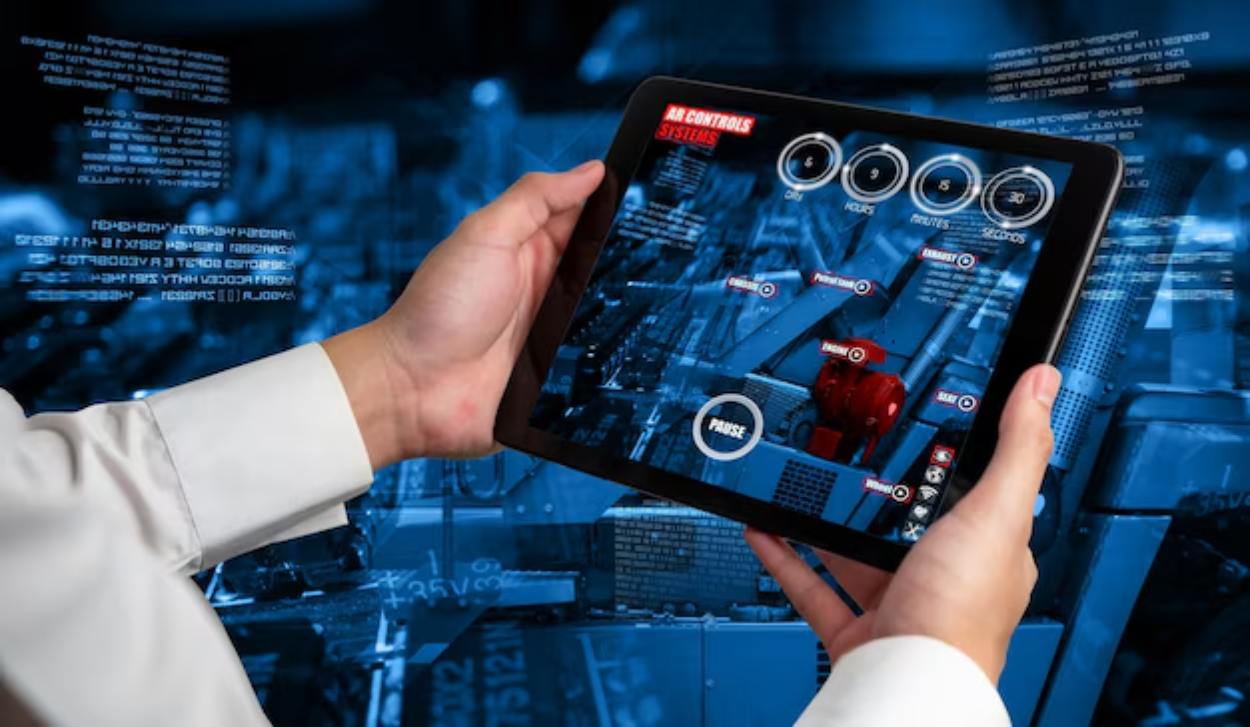
As organizations continue to adopt distributed work models and digital-first operations, the need for reliable remote control technology has become more critical than ever. Businesses today operate across locations, time zones, and devices, making physical access to systems increasingly impractical. In this environment, secure and high-performance remote control solutions are no longer optional tools; they are foundational infrastructure.
Remote control software allows users to access, manage, and operate computers from a distance as if they were physically present. When implemented correctly, it ensures continuity, improves response times, and enables teams to work efficiently without geographic limitations.
Evolution of Remote Control Technology
Early remote access tools were designed primarily for basic troubleshooting and administrative tasks. While functional, they often suffered from performance limitations, weak security, and poor user experience. Over time, growing operational demands pushed remote control technology to evolve into a far more sophisticated solution.
Modern platforms are now expected to support high-resolution displays, real-time interaction, file transfers, and persistent connections, all while maintaining strict security standards. This evolution reflects a broader shift in how organizations view remote access: not as a backup option, but as a core operational capability.
How Remote Control Improves Business Efficiency
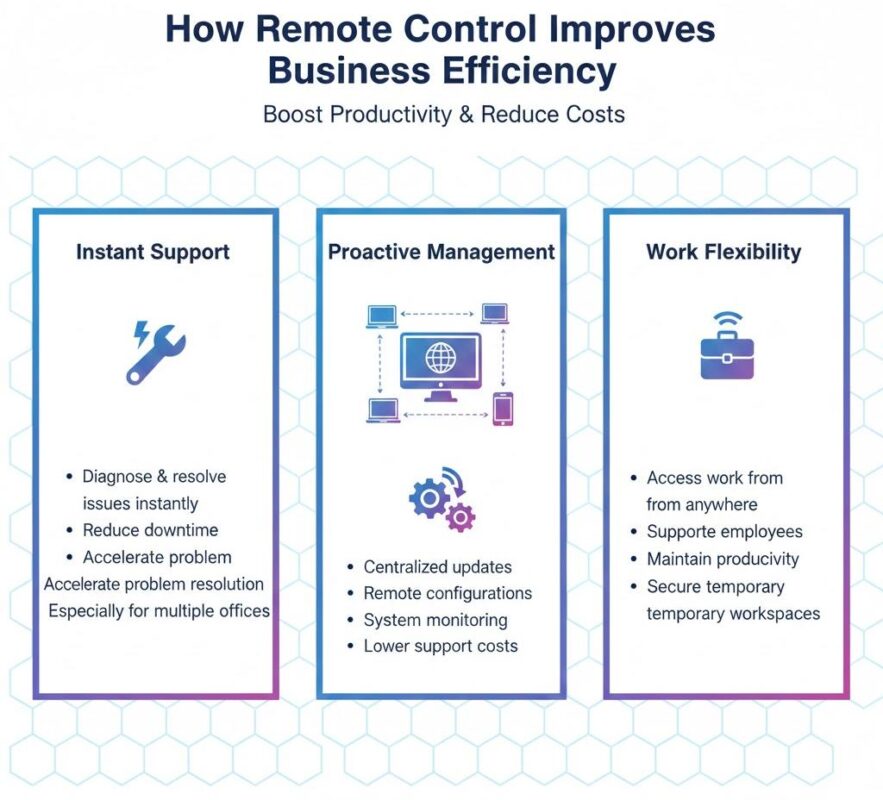
One of the most significant benefits of remote control technology is improved efficiency. IT teams can diagnose and resolve issues instantly without traveling to physical locations. This reduces downtime and accelerates problem resolution, which is especially valuable for organizations managing multiple offices or remote employees.
Remote control also enables proactive system management. Updates, configurations, and monitoring can be performed centrally, ensuring systems remain secure and up to date. For businesses operating at scale, this centralized approach reduces operational complexity and lowers support costs.
From an end-user perspective, remote control provides flexibility. Employees can access their work systems from home, while traveling, or from temporary workspaces without compromising productivity.
Security as a Non-Negotiable Requirement
As remote access expands, security becomes a top priority. Remote control software must protect sensitive data while preventing unauthorized access. Professional-grade solutions incorporate encrypted connections, authentication mechanisms, and session controls to safeguard systems.
Security is not only about protecting against external threats. Internal access management is equally important. Administrators need visibility into who is accessing systems, when sessions occur, and what actions are performed. These controls help organizations meet compliance requirements and maintain accountability.
A well-designed remote control platform balances strong security with ease of use, ensuring protection without adding unnecessary friction.
Performance and User Experience Matter
Performance plays a decisive role in the effectiveness of remote control solutions. Lag, poor image quality, or unstable connections can disrupt workflows and frustrate users. This is why modern platforms focus heavily on optimizing data transmission and minimizing latency.
Efficient compression techniques and adaptive streaming ensure smooth operation even under variable network conditions. For professionals working with demanding applications, responsive input handling and visual clarity are essential for maintaining productivity.
A seamless user experience also reduces training requirements. Intuitive interfaces allow both technical and non-technical users to operate remote systems confidently, maximizing adoption across organizations.
Choosing the Right Remote Control Platform
Not all remote control tools are built to the same standard. Many lightweight solutions are suitable only for occasional use and lack the robustness required for continuous, mission-critical operations. Organizations should prioritize platforms designed for stability, scalability, and long-term use.
Platforms like StarDesk are developed with professional environments in mind, offering consistent performance, secure connections, and centralized management capabilities. These features make them suitable for a wide range of use cases, from IT administration to daily business operations.
Evaluating a platform should involve assessing reliability under load, security architecture, ease of deployment, and support for future growth.
Learning More About Professional Remote Control Capabilities
Educational resources such as StarDesk remote control guides provide valuable insights into how modern remote control solutions are structured and why they differ from basic remote access tools. Understanding these distinctions helps decision-makers choose platforms that align with their operational needs rather than short-term convenience.
Such resources highlight best practices, performance considerations, and real-world applications that demonstrate the value of professional-grade remote control systems.
Getting Started With a Secure and Reliable Setup
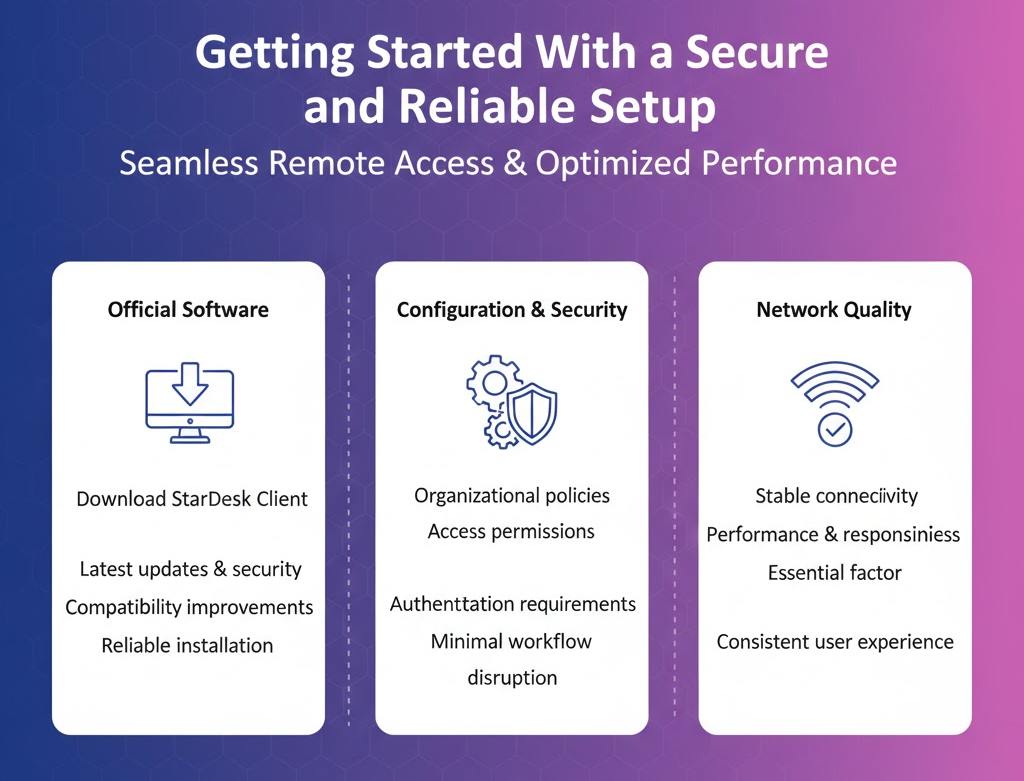
Successful implementation begins with using the correct software and ensuring proper installation. Accessing the official client through the StarDesk download page ensures users receive the latest updates, security enhancements, and compatibility improvements.
Once installed, systems can be configured according to organizational policies, including access permissions and authentication requirements. With proper setup, users gain reliable, secure access to remote systems with minimal disruption to existing workflows.
Network quality remains an essential factor, as stable connectivity directly influences performance and responsiveness.
General Inquiries
| FAQ | Answer |
|---|---|
| What is remote control software and how does it work? | Remote control software allows users to access and operate a computer or system from another location as if they were physically present. It works by securely transmitting screen data, inputs, and commands over a network connection in real time. |
| Why is remote control technology essential for modern businesses? | Modern businesses operate across multiple locations and time zones. Remote control solutions enable continuity, faster IT support, centralized system management, and flexible work arrangements without requiring physical access to devices. |
| How does remote control software improve operational efficiency? | It reduces downtime by allowing instant troubleshooting, enables centralized updates and monitoring, lowers travel and support costs, and allows employees to work productively from anywhere. |
| What security features should a professional remote control platform include? | A professional platform should offer encrypted connections, strong authentication, access controls, session monitoring, and administrative visibility to protect sensitive data and meet compliance requirements. |
| What should organizations consider when choosing a remote control solution? | Organizations should evaluate performance stability, security architecture, scalability, ease of deployment, user experience, and whether the platform is designed for continuous, mission-critical operations rather than occasional use. |
Final Thoughts
Remote control technology has become an essential pillar of modern digital operations. As organizations continue to prioritize flexibility, security, and efficiency, investing in a professional-grade remote control solution is a strategic decision rather than a technical upgrade.
By choosing a platform built for performance, scalability, and security, businesses can empower their teams to operate effectively from anywhere. In an increasingly connected world, reliable remote control is not just about access; it is about enabling seamless, resilient, and future-ready operations.