
Simple Ways to Make Video Games a Part of Your Relaxing Weekend

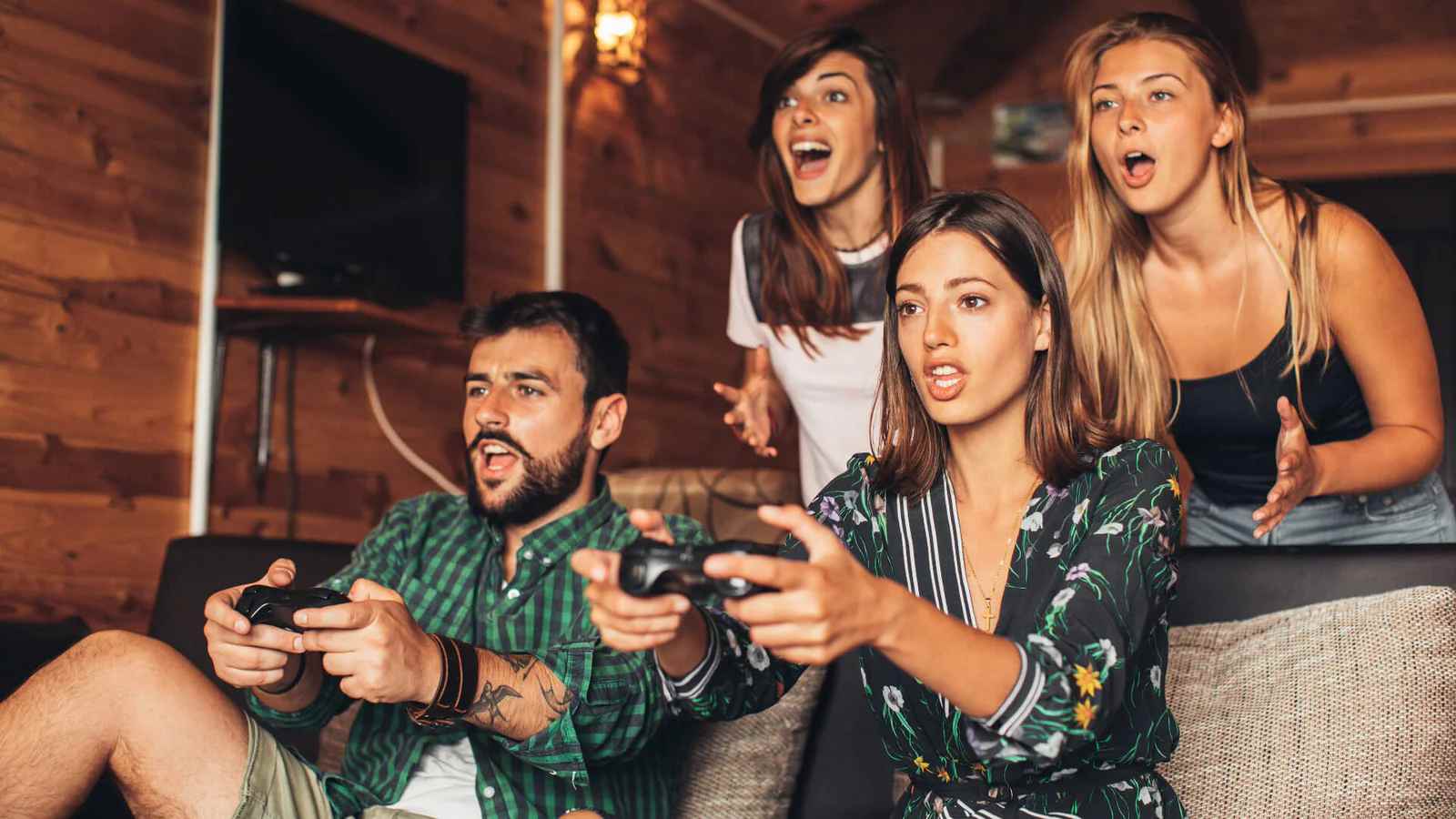
Weekends are short, and many people struggle to switch off truly. Gaming has become one of the easiest ways to unwind. It fits naturally into downtime without demanding much from you. Whether you play for twenty minutes or four hours, games meet you where you are. The barrier to entry is low, the variety is enormous, and you do not need anyone’s permission to enjoy yourself.
Choose the Right Game for Your Mood
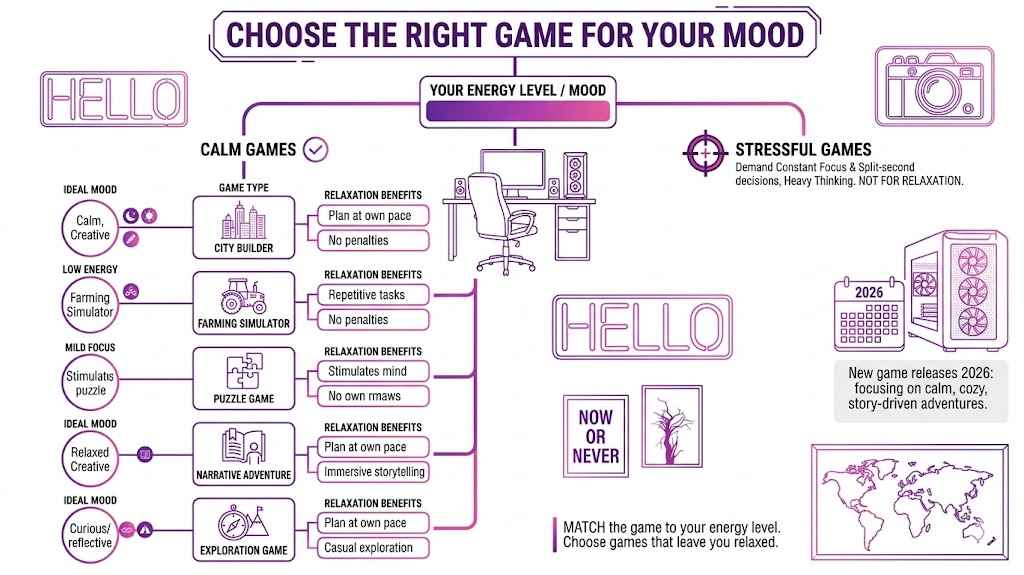
Not every game is suitable for relaxation. Fast competitive shooters demand constant focus and split-second decisions. Complex strategy games can also feel stressful if you are not in the mood for heavy thinking. The key is to match the game to your current energy level.
Games that work well for relaxation include:
- City-building games
- Farming simulators
- Puzzle games
- Narrative or story-driven adventures
- Exploration-focused titles
For those who enjoy staying updated, several new game releases 2026 focus on calm, low-pressure gameplay. Cozy games and story-driven adventures are designed to provide comfort rather than competition.
Tips for picking the right game:
| Game Type | Ideal Mood | Relaxation Benefits |
|---|---|---|
| City Builder | Calm, creative | Lets you plan at your own pace, no penalties |
| Farming Simulator | Low energy | Repetitive, meditative tasks, soothing visuals |
| Puzzle Game | Mild focus | Stimulates mind gently, satisfying problem-solving |
| Narrative Adventure | Relaxed | Immersive storytelling, emotional engagement |
| Exploration Game | Curious, reflective | Casual exploration, stress-free environment |
The main point is simple: choose games that leave you feeling relaxed rather than drained. If you finish a session feeling tense, the game may not suit your current mood, even if it is generally enjoyable.
Set a Loose Schedule Instead of Playing by Impulse
Unplanned gaming can make you feel guilty. You might sit down at 9 p.m., intending to play for an hour, and suddenly it is 2 a.m. The solution is simple: be intentional but flexible.
How to schedule gaming time effectively:
- Decide on a loose time window (e.g., “sometime between 2 and 5 p.m.”)
- Stick to it loosely — no need for rigid rules
- Plan sessions in advance to feel intentional
- Stop when your planned session ends, without guilt
This approach helps you treat gaming as a restorative activity rather than an accidental habit. Planned leisure feels more refreshing because your mind is at ease knowing you have dedicated time.
Create a Small Ritual Around Gaming
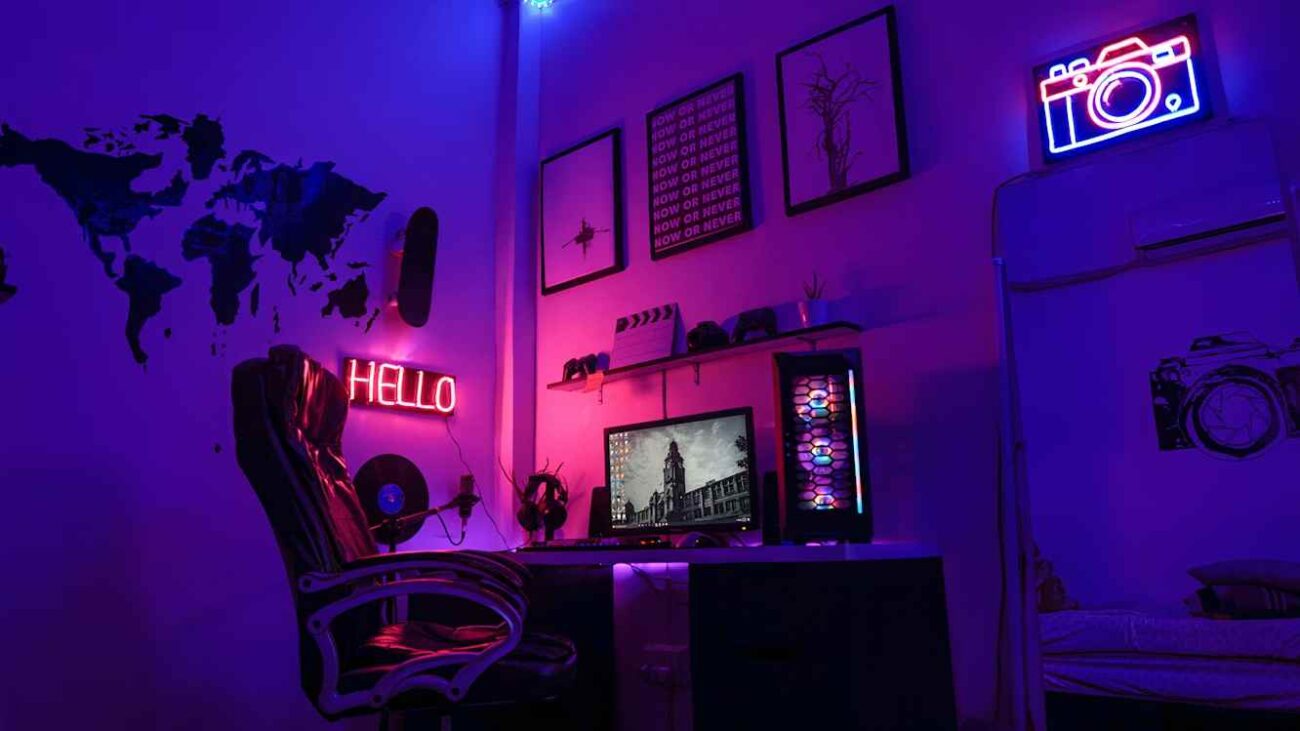
Small rituals can help your brain recognize that it is time to relax. These do not need to be elaborate.
Simple ideas for a gaming ritual:
- Make a drink you enjoy — coffee, tea, or a cold beverage
- Put on headphones for better audio immersion
- Adjust the lighting to your comfort, or use natural light
- Sit somewhere comfortable rather than hunching over a desk
- Close work tabs and notifications
These few minutes of preparation can enhance your gaming experience, making it feel intentional and restorative rather than a default activity.
Play with Others or Enjoy Solitude
Gaming can be social or solitary, depending on what helps you relax.
Options to consider:
| Play Style | Best For | Notes |
|---|---|---|
| Local Co-op | Social relaxation | Share laughs in the same room, low-pressure fun |
| Online Co-op | Long-distance social | Connect with friends far away |
| Single-player | Solitary relaxation | Focus on story or exploration without social pressure |
Some people may find competitive or online multiplayer games stressful. The important thing is to ask yourself whether the format relaxes you or adds pressure. Choose what genuinely works for you.
Conclusion
Gaming can be a powerful tool for relaxation when approached with intention.
Key steps for a restorative weekend gaming session:
- Pick the right game for your mood
- Set a loose schedule to avoid overplaying
- Create a small ritual to enhance relaxation
- Decide whether to play alone or with others
With so many options available, almost anyone can find a game that fits their pace and temperament, whether it is a ten-hour narrative RPG or a twenty-minute puzzle session.
The simplest advice is the most effective: play games that match your current mood, not what you think you should feel. Weekends are for rest, and gaming is a fun way to get there.
References
- Newman, P., Burnett, R., & McLean, D. (2019). The restorative benefits of digital games. Computers in Human Behavior, 95, 83–92. https://doi.org/10.1016/j.chb.2019.01.012
- Russoniello, C. V., O’Brien, K., & Parks, J. M. (2009). The effectiveness of casual video games in improving mood and decreasing stress. Journal of CyberTherapy & Rehabilitation, 2(1), 53–66.
- Ferguson, C. J., Olson, C. K., & Dill, K. E. (2019). Video games and mental health: Opportunities for balance. Journal of Media Psychology, 31(1), 1–12. https://doi.org/10.1027/1864-1105/a000234
- Hamari, J., & Keronen, L. (2017). Why do people play games? A meta-analysis. International Journal of Information Management, 37(3), 125–138. https://doi.org/10.1016/j.ijinfomgt.2016.07.008