
Modern Risks In Application Security

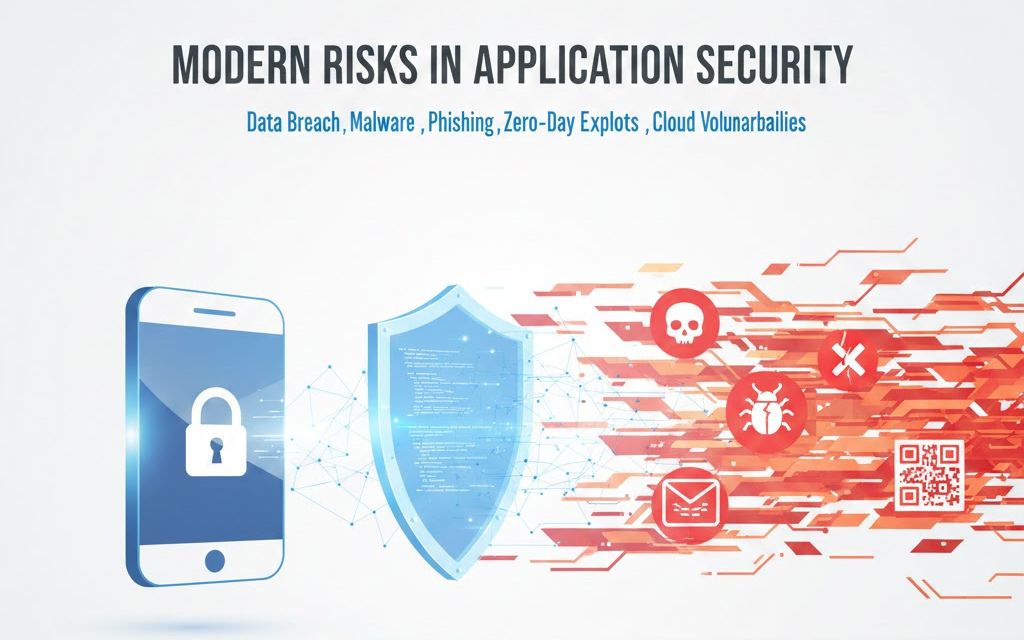
Application security now sits at the centre of every digital operation. Attackers are targeting web, mobile, and API applications with increasing precision.
You face a faster cycle of threats and a wider set of entry points. This pressure shapes how teams plan, test, and monitor their environments. It also shapes how leaders think about risk.
Teams want clear answers. They want simple processes that reduce noise. They want strong security controls that support fast development. This trend has pushed organisations to refresh their entire approach to application security.
Why Attacks Keep Rising
Attack volume increases as digital services expand. You release new code, new features, and new customer experiences. Each release expands your attack surface. Threat groups track these changes. They follow new patterns in retail, finance, healthcare, and logistics. They test your controls.
Many attacks use common flaws. SQL injection. Insecure authentication. Poor access controls. Weak session handling. Misconfigured cloud apps. These issues often arise during rapid development. Your teams move fast, but speed increases risk when controls fall behind.
Stronger security requires tighter coordination between engineering and security. It also requires continuous testing. You protect your users by finding issues before attackers do.
How AppSec Solutions Reduce Risk
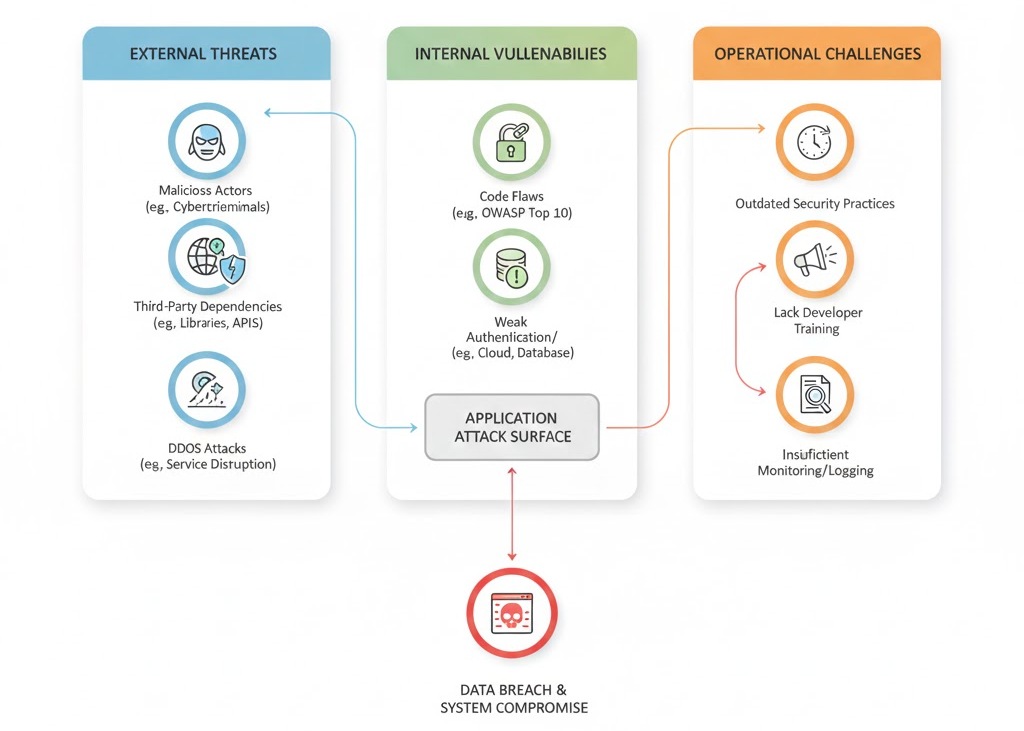
You now see greater interest in AppSec solutions because teams want security that keeps pace with development. These platforms strengthen code, API, and production system reviews. They also support faster triage and make threats easier to understand.
You gain value when these tools fit your workflow. Static testing finds flaws in code. Dynamic testing evaluates running apps. API scanning exposes weak endpoints. These checks remove blind spots and reduce manual steps.
Modern platforms go further. They provide real-time monitoring. They detect suspicious activity early. They highlight gaps in authentication flows. They also help you validate security controls during each release. This reduces pressure on your development teams and helps them focus on productive work.
Trends Driving New Adoption
Three trends have shaped recent interest in stronger application security.
The first trend is the shift toward cloud-hosted systems. Shared environments introduce new risks. Misconfigurations remain common because teams work across multiple tools and services. Stronger guardrails and clear checks reduce these errors.
The second trend is the rise of public-facing APIs. These endpoints feed mobile apps and partner integrations. They also attract attackers because they expose structured data. You reduce risk by testing these interfaces with each update.
The third trend is faster deployment cycles. Weekly or daily releases leave little room for slow reviews. You need testing tools that run in parallel with development. You also need security controls that scale as operations expand.
What Strong Programs Include Today
A strong application security program uses layers. Each layer focuses on a specific type of risk.
Code reviews capture early issues. Automated scans provide consistent checks. Penetration testing identifies absolute paths to high-value data. Runtime monitoring tracks active threats.
Your teams work better when these layers share information. A unified dashboard reduces noise. It shows where risk concentrates. It also helps you direct engineering time toward the issues that matter most.
Training remains important. Developers who understand common flaws produce safer code. Security teams that understand product goals produce better guidance. This alignment reduces friction during each release.
How You Strengthen Your Application Security Now
You do not need a complete rebuild to improve application security. You can increase visibility with targeted testing. You can reduce risk by consistently using authentication and access controls. You can simplify workflows by linking engineering and security checks.
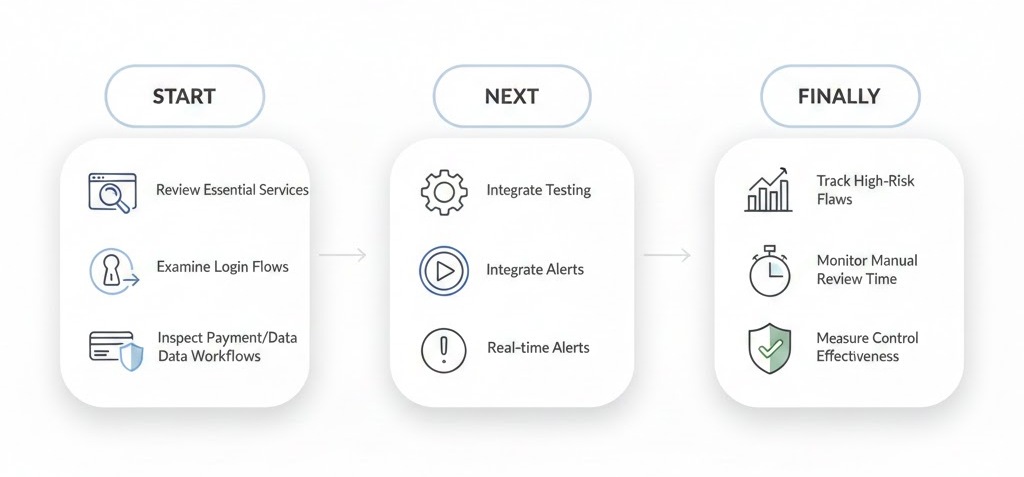
Start with a review of your most essential services. Look at login flows. Look at payment or data submission workflows. Look at your API endpoints. These areas often pose the highest risk.
Next, integrate testing into your deployment process. Continuous checks reveal issues earlier. Real-time alerts give your teams more time to respond.
Finally, measure your results. Track the number of high-risk flaws found before release. Track the time your teams spend on manual reviews. Track how often your controls stop suspicious activity. These metrics show progress and support better decisions.
Why This Topic Matters Now
Application security shapes customer trust. Users expect secure experiences in every interaction. They expect quick fixes when issues appear. They expect strong protection of their data.
You meet these expectations when your teams treat security as an ongoing process. You reduce risk when you pair structured testing with clear workflows.
Application security will keep evolving. New threats will appear. New technologies will shift how developers work. You stay ahead when you build strong processes and keep security close to daily operations.