
Microtransactions, Mobile Gaming & Mapping The Future Of The Market


It’s hard to understate just how influential microtransactions have been in the rise of mobile gaming, especially since the start of the 2010s. Some gaming analysts argue that without the presence of microtransactions, the free-to-play gaming model wouldn’t have generated high enough profits to pique the interest of larger gaming developers and designers.
Although it might be a bit unfair to say microtransactions were the decisive factor, today we’re going to look at how they are adapting, how they continue to shape the broader gaming market, and what the future has in store as microtransactions remain a key part of the industry.
Importance Of Payment Systems
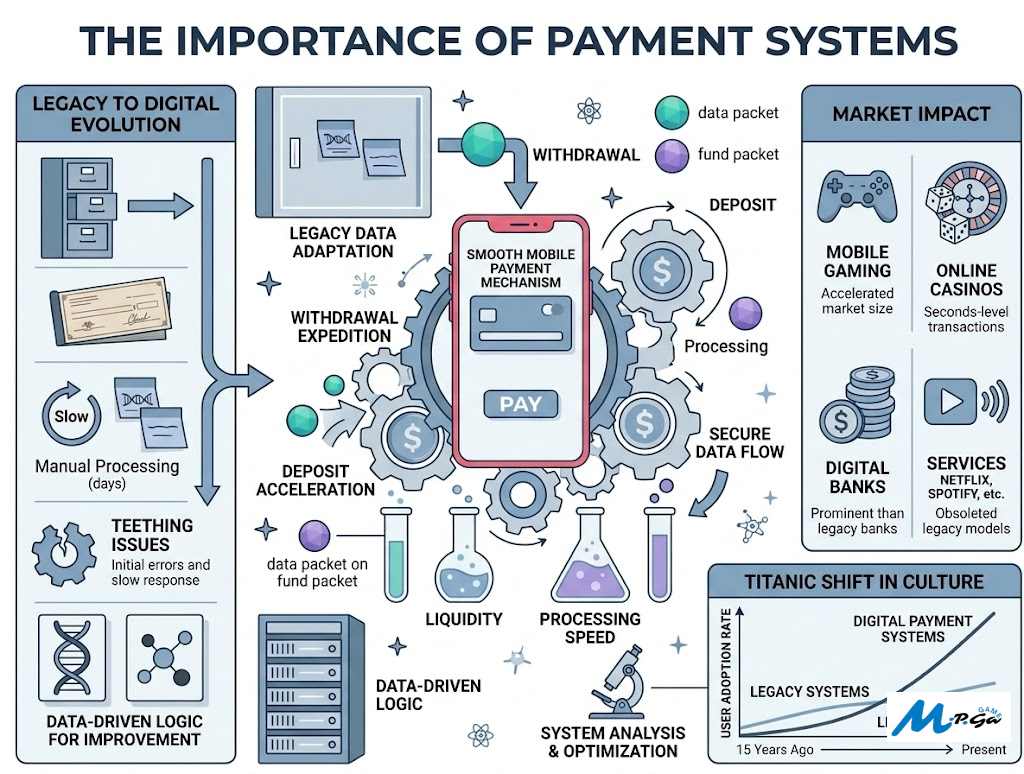
Without a swift, smooth system in place to expedite withdrawals and deposits, mobile gaming would not be anywhere near the size it is today. Of course, there are dozens of important cogs in the machine here.
However, without a route to quickly deposit and withdraw money, the mechanisms in place to quickly send and receive money, gamers would gravitate towards other gaming ideas that have also integrated similar technologies, such as console and online casino gaming.
Those who play at a mobile casino have a greater understanding of what we mean here. A decade and a half ago, when mobile casinos were first finding their feet in the igaming market, the goal was to create payment options that let you deposit and withdraw funds within a few seconds.
Now, this technology did have some teething issues, and it wasn’t until a few years into the design that we saw mobile casinos being able to challenge the market that more conventional online casino designs had mastered since the start of the 21st century.
However, once they found their way, they became integral to markets beyond casino gaming, with digital banks becoming more prominent than legacy banks, and mobile apps like Netflix and Spotify rendering many legacy competitors obsolete. This titanic shift in culture would not have been possible without mobile payment systems being as smooth as they are.
Keeping It Digital
Casino gaming platforms have been continually shifting their focus toward a fully digital approach. The rise of cryptocurrency and blockchain technology has provided a way for people to part ways with fiat currencies and conventional payment options.
Even at a smaller level, the rise of the internet as an information resource has led more casinos to use their social media channels as a strategic resource rather than simply a way for people to access their sites – as you can see in the link below.
Microtransactions are the lifeblood of the mobile gaming market. They allow companies to create ideas that keep the wheel rolling, resulting in consistent profits, and subverting the way promotions and game designs work.
Many free-to-play mobile games, which have become some of the most popular on the planet, like League of Legends, brought gamers in with a free-to-play model that requires no upfront cost, then showcased the game’s quality before asking for smaller payments to access further levels and in-game content.
It might seem commonplace now, but back in the early 2010s, it was a revolutionary concept that paved the way for gaming companies to go completely portable and digital.
How Does The Future Of Microtransactions Look?
As with almost every other industry, microtransaction markets will have to adjust to the rise of AI. Primarily, this will be through advanced transaction monitoring. AI has proven to be a great tool for companies looking to investigate fraud, as it can monitor customer data in minute detail.
However, AI will be able to identify bespoke gamer patterns, suggest payments based on their gaming style, and even make automatic purchases if given the right prompts – thus streamlining the process to a level we haven’t seen before.
More recently, we have seen direct in-game payments take on a new look thanks to the speed and convenience of microtransaction payment systems. The blockchain, particularly NFTs, provides unique insight and ownership for those looking to own objects in a game that have critical value.
Regarding direct player-to-player payments, the purchase of certain items via microtransactions can increase a player’s status within that community and, with the presence of the blockchain, could lead to cross-game compatibility – although this technology is still in its nascent stages.
Looking Ahead
Ultimately, the validity and future viability of microtransactions stem from how widely they are used and how ingrained they are in the future of gaming. The omens look good: GTA V made billions from microtransactions, and with GTA VI on the horizon this year, this helps bring microtransactions and their potential back into the mainstream of gaming news.
Blockchain and other tech innovations like AI will pull their weight too, but if games rely on microtransactions, and it is a market that has shown no signs of slowing down since the start of this decade, then it’s going to be a promising road ahead.
Disclaimer
This article is intended for informational and educational purposes only. It does not constitute financial, technological, or professional advice. Readers should conduct their own research or consult qualified professionals before making decisions related to digital payments, microtransactions, blockchain technologies, or gaming investments. The gaming and financial technology landscapes evolve rapidly, and practices or trends mentioned may change over time.
References
- Hamari, J., Hanner, N., & Koivisto, J. (2017). “Why pay premium in freemium services?” A study on perceived value, continued use, and purchase intentions in free-to-play games. International Journal of Information Management, 37(1), 144–154. https://doi.org/10.1016/j.ijinfomgt.2016.09.004
- Alha, K., Koskinen, E., Paavilainen, J., Hamari, J., & Kinnunen, J. (2016). Free-to-play games: Professionals’ perspectives. Proceedings of the 49th Hawaii International Conference on System Sciences, 4959–4968. https://doi.org/10.1109/HICSS.2016.614
- King, D. L., & Delfabbro, P. H. (2018). Predatory monetization schemes in video games (e.g., loot boxes) and internet gaming disorder. Addiction, 113(11), 1967–1969. https://doi.org/10.1111/add.14286
- Zendle, D., & Cairns, P. (2018). Video game loot boxes are linked to problem gambling: Results of a large-scale survey. PLoS ONE, 13(11), e0206767. https://doi.org/10.1371/journal.pone.0206767
- Lehdonvirta, V. (2009). Virtual item sales as a revenue model: Identifying attributes that drive purchase decisions. Electronic Commerce Research, 9(1–2), 97–113. https://doi.org/10.1007/s10660-009-9028-2
- Macey, J., & Hamari, J. (2019). eSports, skins and loot boxes: Participants, practices and problematic behaviour associated with emergent forms of gambling. New Media & Society, 21(1), 20–41. https://doi.org/10.1177/1461444818786216
- Cong, L. W., Li, Y., & Wang, N. (2021). Tokenomics: Dynamic adoption and valuation. The Review of Financial Studies, 34(3), 1105–1155. https://doi.org/10.1093/rfs/hhaa089
- Dwivedi, Y. K., Hughes, L., Ismagilova, E., et al. (2021). Artificial intelligence (AI): Multidisciplinary perspectives on emerging challenges, opportunities, and agenda for research. International Journal of Information Management, 57, 101994. https://doi.org/10.1016/j.ijinfomgt.2019.08.002