
Inside Brazil’s Gaming Boom: Forecasts, Players, and Industry Challenges in 2025

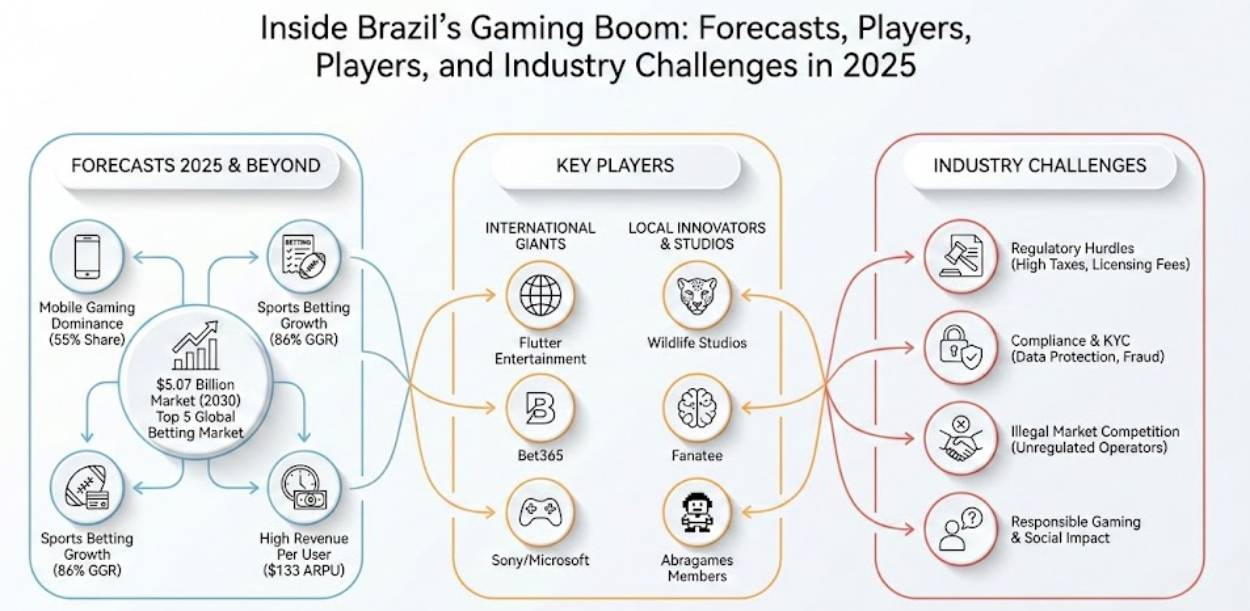
Brazil’s gaming market is entering a defining moment in 2025. With consumer spending forecast to reach $1.56 billion, the country is strengthening its position among the world’s leading gaming economies. Yet, the expansion of demand continues to outpace domestic development, leaving local studios striving to match the appetite of one of the most engaged gaming audiences on the planet.
Numbers Behind Brazil’s Gaming Surge
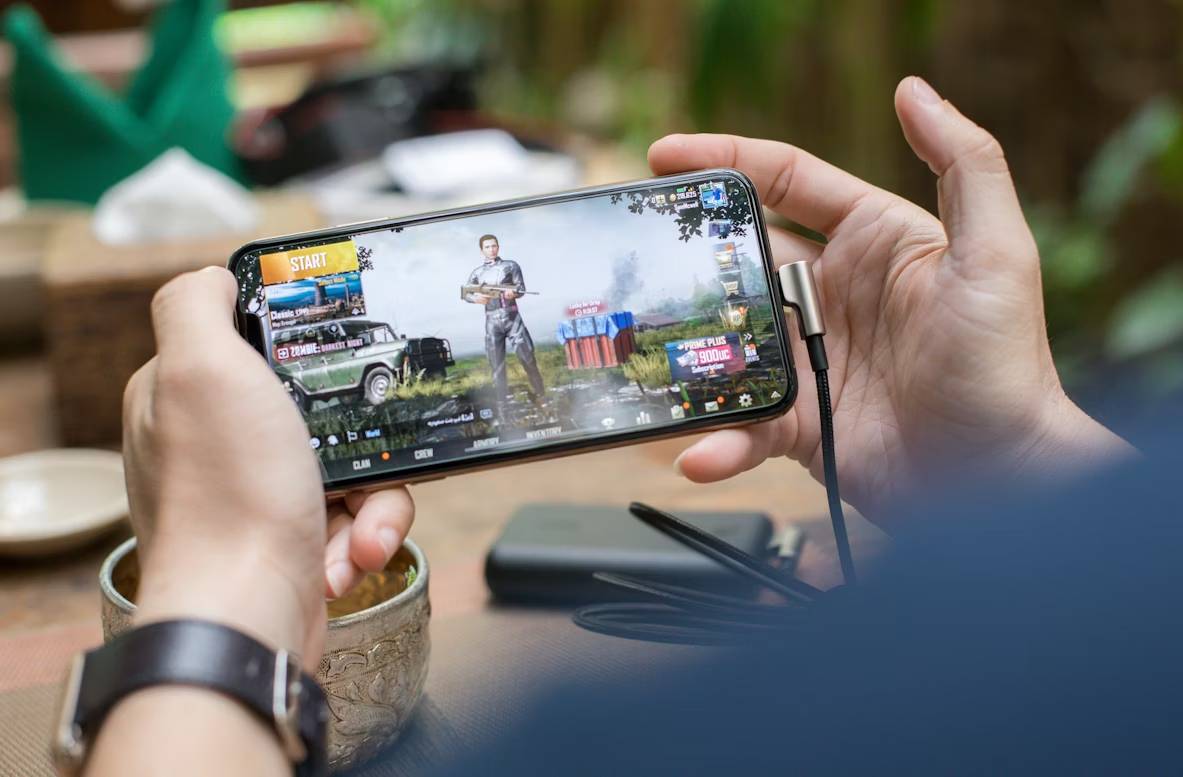
According to PwC’s Global Entertainment & Media Outlook, the Brazilian video game sector will grow 9% compared with 2024, supported by mobile access and the steady rise of casual gaming. The report projects that by 2029, the market will reach $2.1 billion, driven primarily by in-game microtransactions and advertising models.
Traditional gaming consoles and PCs will generate around $468 million this year, while casual gaming leads the sector with over $1 billion in revenue. Within that, advertising and small in-game purchases split nearly equally, indicating that the player base favours free, flexible experiences over high-cost titles.
“Brazil has a massive gaming audience and exceptional connectivity levels, especially among younger demographics,” said Ricardo Queiroz, PwC’s TMT leader. “The free-to-play model, supported by low-value microtransactions, has made gaming widely accessible.”
Connectivity and Culture Fuel Engagement
Cultural and behavioural factors help explain Brazil’s intense gaming engagement. According to McKinsey, attention levels during gameplay are higher in Brazil than in most other major markets, mainly because gaming serves both as entertainment and as a social connection.
“Brazilians play to relax, socialize, and experience a sense of belonging,” said Gabriel Codo, McKinsey’s Latin America TMT head. This engagement translates into strong advertising performance. PwC estimates that ads within “social games” will grow nearly 15% annually, reaching $924 million by 2029. Artificial intelligence has enhanced both ad targeting and user experience, reinforcing games as a prime channel for brand communication.
Local Development Still Playing Catch-Up
Despite strong consumption, Brazil’s domestic game development industry remains underpowered. While the country counts 123 million gamers, the number of studios capable of scaling globally is limited. According to Daniel Trócoli, head of Game Partnerships for Google Play Latin America, investment is still the main bottleneck.
To encourage local growth, Google’s Indie Games Fund selected ten Latin American studios in 2025, half of them Brazilian, for financial and technical support. Since its creation in 2022, the program has distributed $8 million to 40 regional developers, of whom 22 are from Brazil. Analysts, however, stress that sustained progress requires both private and governmental investment to foster creative ecosystems and training.
iGaming and Responsible Play: A Parallel Market
While the gaming sector advances through innovation and accessibility, Brazil’s iGaming market follows a more complex path. With regulations in effect since January 2025, legal operators have begun formalizing their operations. Yet, studies by LCA Consultores and the Instituto Locomotiva show that 41% to 51% of the country’s online betting activity remains unregulated, indicating that user confusion continues to favour illegal platforms.
A recent 2025 survey on the Brazilian player profile by casino KTO offers a clearer view of betting habits in the country. The data shows that 27.5% of bettors place wagers only occasionally, while 20.4% do so once or twice a month. Casino games at KTO remain the most engaging vertical, with more than 93% of players’ participation.
As for motivations, most players (72%) say they bet primarily for fun, whereas 38% report doing so to supplement their monthly income, an indicator that specialists often associate with potentially risky behaviour.
According to the study, the majority of Brazilian bettors engage primarily for leisure and social reasons, enjoyment, interaction with friends, and following favourite sports rather than for financial gain. This aligns with the broader entertainment culture in Brazil, where gaming and betting often coexist as forms of social recreation rather than investment.
Road Ahead
With $2.7 billion in total gaming revenue and one of the largest player bases worldwide, Brazil’s influence in the global gaming economy continues to grow. The next challenge will be transforming this energy into a sustainable creative industry capable of exporting not only players but also intellectual property.
While iGaming faces regulatory and transparency challenges, the video game sector stands out for its innovation potential. The convergence of technology, culture, and accessibility positions Brazil to move from a market of consumers to a nation of creators if investment, education, and production capacity can keep pace with its players’ passion.
Disclaimer
The information presented in this article is intended for general informational and educational purposes only. While every effort has been made to ensure accuracy, the figures, forecasts, and statements from third-party sources reflect the data available at the time of writing and may change over time. This content does not constitute financial, investment, or legal advice. The discussion of gaming and iGaming behavior is not an endorsement of gambling activities. Readers should consult official regulatory sources and seek professional guidance before making decisions related to gaming investments, business strategies, or betting practices.