
Blog
How Creative Teams Can Use AI Video Without Losing a Shared Direction

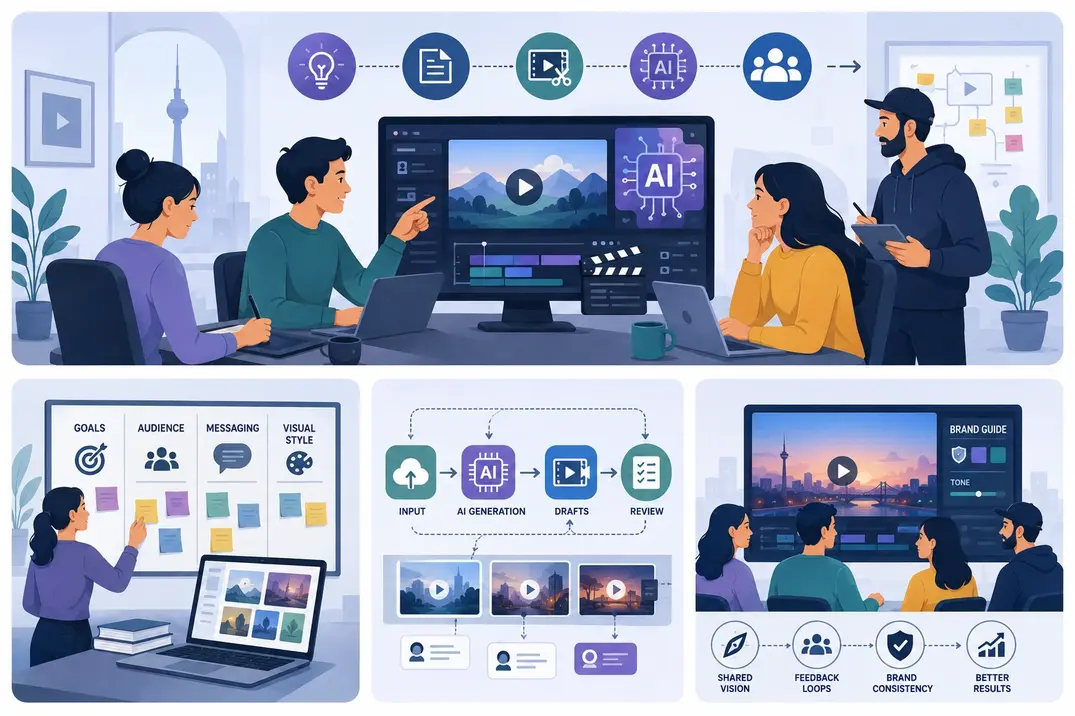
Creative collaboration becomes difficult when everyone is responding to a different version of an idea.
A writer imagines one setting, a designer imagines another, and a client may interpret the same concept in an entirely different way. By the time a polished draft appears, changing direction can be expensive.
I began using AI video with teams because it gave us an earlier object for discussion. A moving draft made tone, timing, and composition easier to evaluate than a paragraph of description.
The technology was most valuable not as an automatic decision-maker, but as a shared sketching surface.
Seedance 2.0 supports this process through multimodal references. A team can combine prompts, images, video, and audio so that different parts of the creative brief become visible in one generation.
Agreeing on the Non-Negotiable Elements
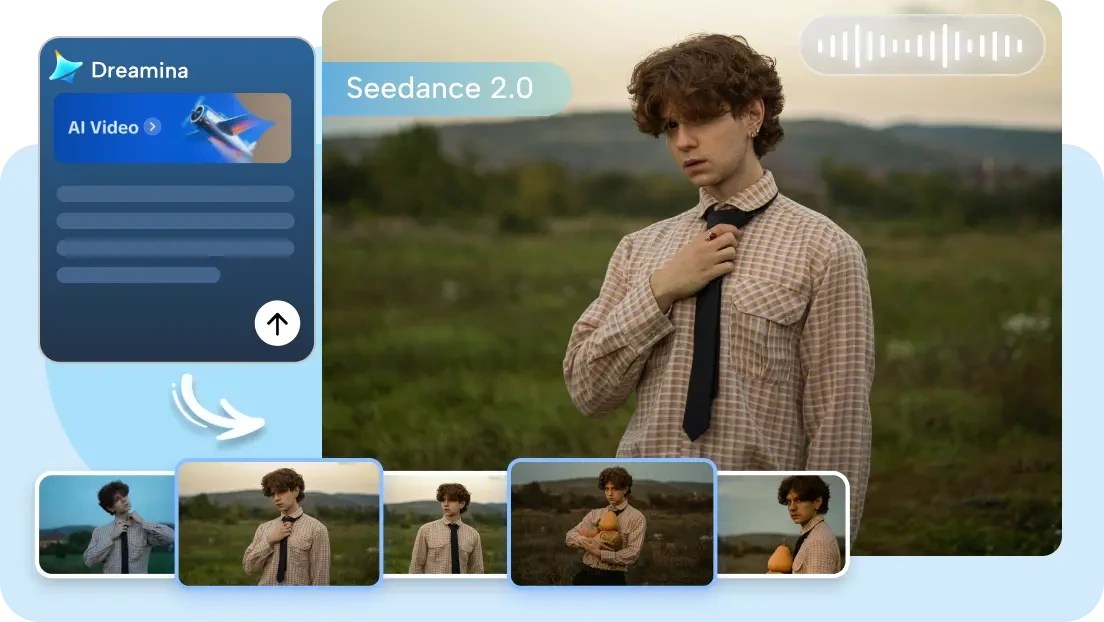
Before generating, the team identifies what cannot change.
Depending on the project, these non-negotiable elements may include:
- The target audience
- The core message
- Product appearance
- Character identity
- Brand colors
- A required action or interaction
- The intended emotional tone
This conversation prevents generation from becoming an unstructured search. It also reveals disagreements early.
If two stakeholders have different ideas about the message, no amount of visual polish will resolve the underlying problem.
We record the fixed elements in a short brief and separate them from variables that can be explored. The setting or camera movement may change, for example, while the subject and message remain stable.
Turning Different Contributions Into References
Multidisciplinary teams communicate in different ways.
A designer may provide mood boards, a filmmaker may contribute camera examples, and a strategist may write the audience insight. Audio can come from a composer or voice artist.
Seedance 2.0 can use these materials together:
- Images define appearance and style.
- Footage demonstrates movement and camera behavior.
- Audio establishes rhythm and timing.
- The prompt explains how those elements should work together.
This creates a more complete direction than asking one team member to translate every contribution into text.
The reference set should still be curated. Conflicting examples make the model’s task unclear and make the output harder to evaluate.
We therefore choose one primary reference for each important dimension and explain its purpose.
Using Generation to Compare Decisions
Teams often need to choose between several valid approaches.
- Should the campaign feel intimate or energetic?
- Should the product appear immediately or emerge through a story?
- Is a moving camera helping or distracting?
AI video makes these alternatives easier to visualize.
We generate controlled variations, changing one major decision at a time. Because the fixed references stay the same, feedback can focus on the intended difference.
Seedance 2.0 is useful for this kind of iteration because it can preserve subjects and visual assets while exploring different scenes or motion.
The generated drafts do not need final polish. They need enough clarity for the team to make a decision.
Establishing a Review Language
Feedback such as “make it better” or “make it more premium” does not help a team revise effectively.
We organize review around specific categories:
- Message clarity
- Subject accuracy
- Visual continuity
- Composition
- Movement
- Sound
- Brand fit
The first review focuses on whether the idea works. Technical polish is considered later.
This protects the team from spending time improving a visually impressive direction that does not solve the communication problem.
We also document which choices have already been approved. Without a record, later generations may reopen decisions and create unnecessary revision cycles.
Moving From a Short Concept to a Full Sequence
An early draft may prove the central idea, while the final project needs a longer narrative.
Building that sequence requires more context and stronger continuity.
Seedance 2.5 expands the process through longer continuous generation and up to 50 multimodal references.
This enables teams to provide more of the creative system, including:
- Scripts
- Storyboards
- Character sheets
- Product imagery
- Performance references
- Audio
- Style guides
The larger context can help a sequence maintain identity and direction over time. A 30-second continuous scene may also make it easier to judge pacing and interaction than several independent outputs.
The creative brief remains essential. More references are useful only when their roles are clear, and they support the same objective.
Bringing Performance Into the Collaboration
Movement and performance are often discussed too abstractly during planning.
A director may describe a gesture or interaction that other team members interpret differently.
R2V control in Seedance 2.5 can use recorded movement as a structured reference. A performer or team member can create a simple model or green-screen version of the action, guiding timing, position, and interaction.
This makes performance part of the visual development rather than something left entirely to model interpretation.
It can also expose blocking problems before the team invests in a more complex scene.
Consent and usage rights should be agreed upon whenever a person’s appearance, voice, or performance contributes to the generation.
Making Targeted Revisions
Collaborative review often identifies one detail that needs to change while the rest of a sequence has already been approved.
A complete regeneration can reopen decisions about composition, motion, or timing.
Local editing in Seedance 2.5 offers a more targeted approach by focusing changes on a selected area. The team can attempt to correct an object, character detail, or background element while preserving the approved structure.
This supports a more efficient review process. Stakeholders can request a specific change without unintentionally asking the production team to rebuild everything.
Assigning Responsibility Clearly
AI can blur ownership if the team assumes the tool is responsible for the result.
Instead, we assign human owners for key parts of the project:
- Message and audience
- Visual direction
- Product or subject accuracy
- Sound
- Accessibility
- Rights and representation
- Final approval
Generated content is reviewed for factual accuracy, potential misunderstandings, rights, and representation.
When external references or real people are involved, the team also confirms that their use is authorized.
For teams that want image generation, video creation, and refinement in a connected setting, Dreamina may be one platform to consider. Still, tools do not replace accountable roles or documented approvals.
AI as a Shared Creative Prototype
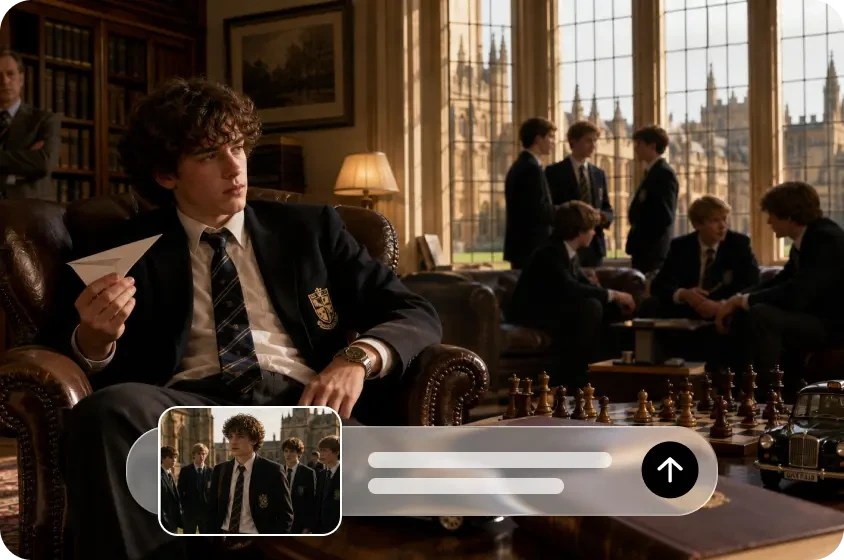
- The most productive teams do not treat AI output as an answer that must be accepted. They use it to make choices visible earlier.
- A generated draft can reveal that a concept is too complicated, that a camera move weakens the message, or that two departments are working toward different styles.
- Those discoveries are valuable even when the footage is never published. They reduce uncertainty and improve the conversations that shape the final work.
- AI video can accelerate collaboration when the team has a clear brief, curated references, structured feedback, and defined responsibility.
- It does not eliminate creative disagreement, but it gives people a common object around which that disagreement can become specific, constructive, and easier to resolve.
Final Conclusion
AI video works best in creative teams when it helps people see the same idea sooner. The real advantage is not simply faster generation, but faster alignment. When writers, designers, strategists, filmmakers, and clients can respond to the same moving prototype, feedback becomes more specific and important disagreements surface earlier.
Tools such as Seedance 2.0 and Seedance 2.5 can support that process through multimodal references, controlled variations, performance guidance, longer sequences, and targeted revisions. Those capabilities are most useful when the team has already defined what must remain consistent and what is open to experimentation.
A strong workflow still depends on human judgment. Teams need clear ownership, curated references, documented approvals, responsible use of personal likeness and performance, and a shared language for reviewing the work.
AI should therefore sit inside the creative process rather than above it. Used as a collaborative prototype, it can help a team test ideas, compare directions, identify problems, and reach decisions before production becomes expensive. The technology may make iteration faster, but a shared creative direction still comes from the people deciding what the work should communicate and why.