
Blog
What Every Remote Facility Needs to Operate Successfully

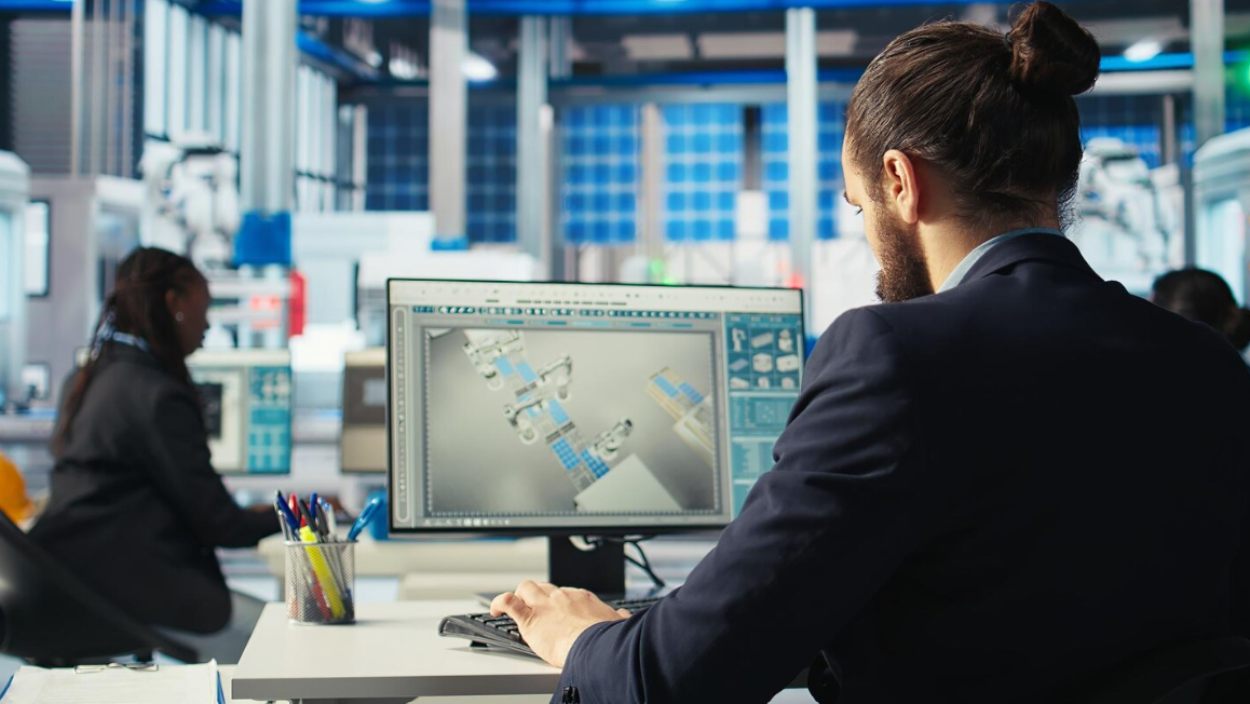
Running a facility in a remote location is not the same as running one in a city with roads, repair crews, hospitals, warehouses, and utility connections close by. Whether the site is an offshore platform, a desert mining camp, a mountain research station, or an isolated agricultural operation, the margin for error is much smaller.
In a city, a power outage is a disruption. In a remote facility, it can affect safety systems, water supply, medical support, communication, food storage, and the ability to keep people warm, cool, or protected. A delayed delivery is not just inconvenient. It can stop production, leave workers without critical supplies, or force expensive emergency transport.
That is why successful remote operations are not built around hope. They are built around planning, redundancy, and the understanding that small failures can grow quickly when help is far away.
Resilient Power That Does Not Depend on One Source
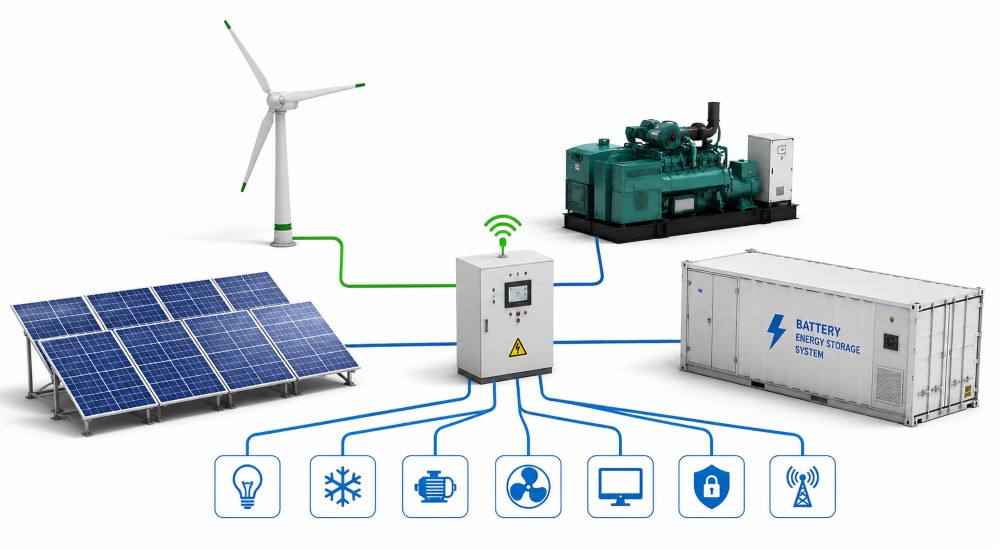
Power is the heartbeat of a remote facility. Everything depends on it: lighting, refrigeration, pumps, ventilation, control systems, emergency alarms, communications, and staff accommodation. When power becomes unreliable, the entire site becomes unstable.
A robust remote power system typically avoids relying on a single energy source. Instead, it combines generators, renewable energy, battery storage, and intelligent controls. The U.S. Department of Energy notes that microgrids can enhance resilience by enabling local energy systems to operate with greater control
For many sites, this means using diesel or gas generators only as part of a wider plan, not as the whole plan. Solar, wind, and storage can reduce fuel dependence, lower delivery pressure, and keep essential systems running.
This is where industrial battery energy storage systems (BESS) become especially valuable. They help store excess power, smooth out demand spikes, and keep critical equipment online during generator changeovers or renewable energy dips. The National Renewable Energy Laboratory has also highlighted the role of microgrids for energy resilience, especially where reliability is a central concern.
A remote desert facility, for example, may gain major value from solar because sunlight is one of the few resources it has in abundance. The same logic applies to commercial settings in Utah, where businesses can use high-efficiency solar panels in Utah to make better use of strong regional sunlight. The point is not simply to add renewable energy because it sounds modern. The point is to design a power system around the site’s real conditions.
A good system also needs smart load management. During a shortage, non-essential equipment should shut down before medical systems, communications, refrigeration, or safety controls are affected. That kind of planning can be the difference between a manageable problem and a full shutdown.
Communication Systems With Real Backup
Remote facilities cannot afford to go silent. When people are working far from public roads, hospitals, and emergency services, communication is not just an office function. It is a safety system.
A reliable site should have more than one way to stay connected. Satellite internet may be the main connection, but it should not be the only one. Long-range radio, backup satellite phones, emergency beacons, and local communication networks all have a place in a serious remote operation.
This matters for daily work as much as emergencies. Engineers may need live equipment data. Managers may need to coordinate deliveries. Medical staff may need remote consultation. Workers may need to contact family, which also supports morale during long rotations.
As facilities become more connected, cybersecurity becomes part of the communication plan. Remote does not mean invisible. Industrial control systems, sensors, and remote monitoring tools can create weak points if not properly protected. Guidance from CISA on industrial control system cybersecurity is a useful reminder that operational technology must be secured, monitored, and separated from unnecessary exposure.
A strong communication setup should include clear emergency procedures. Workers should know which channel to use, who to contact first, and what to do if the main network fails. In a remote setting, confusion costs time, and time can cost much more than money.
Logistics Planned Before Anything Runs Out
Remote logistics are not about ordering supplies when someone notices a shelf is empty. That approach works poorly even in normal businesses. In remote operations, it can be dangerous.
A well-run facility keeps careful control of critical supplies. This includes fuel, filters, valves, belts, batteries, control boards, medical supplies, food, clean water, safety equipment, and spare parts for essential machinery. The goal is not to stock everything. The goal is to understand which missing part could cause the site to stop and ensure that part is available before it is needed.
Predictive maintenance plays a major role here. Sensors can track vibration, temperature, pressure, fluid levels, and machine performance. When the data shows early signs of wear, maintenance can be scheduled before a breakdown happens. That allows repairs to be matched with planned supply runs instead of emergency flights or rushed shipping.
Water and waste systems also need serious attention. Remote sites often cannot depend on municipal water or sewer systems. Drinking water must be tested, treated, stored, and protected from contamination. The World Health Organization’s guidance on water safety planning is useful for understanding how risk-based planning supports safe water supplies.
Waste handling also needs a clear process. Food waste, wastewater, hazardous materials, used filters, oils, and packaging should all have defined storage and removal plans. Poor waste management can create health risks, environmental damage, and regulatory problems.
Good logistics feel quiet when they are working well. Supplies arrive before panic starts. Equipment is repaired before it fails. Workers have what they need without drama. That calm is not luck. It is planning.
Health, Safety, and Worker Well-Being
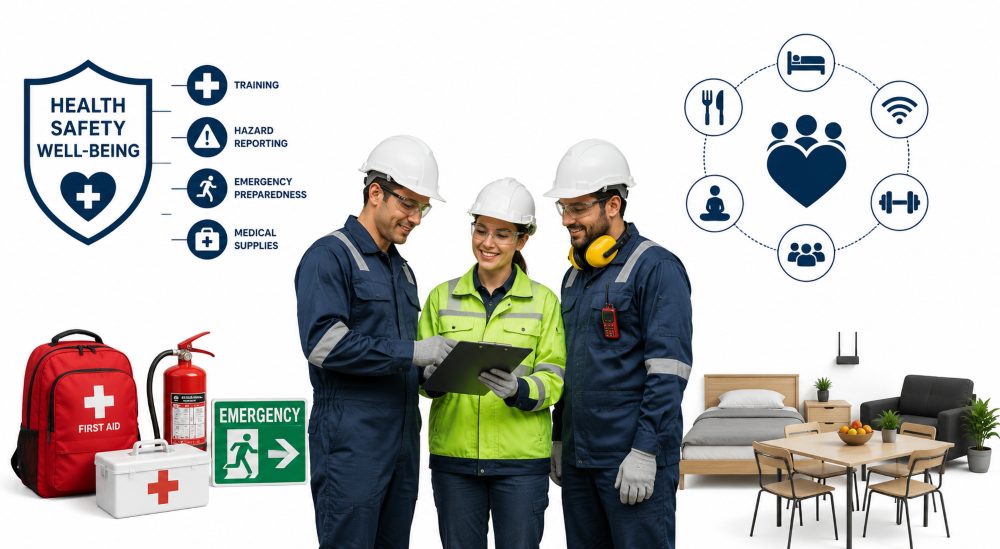
The people on site are the most important part of any remote operation. They are also the most exposed. When medical help is hours or days away, a facility must be prepared to handle more than minor first aid.
Every remote site should have trained emergency responders, medical supplies, evacuation procedures, and a clear relationship with outside medical and rescue services. Workers should know how to report hazards, respond to alarms, and act in the event of a fire, injury, severe weather, chemical exposure, or equipment failure.
The Occupational Safety and Health Administration provides practical guidance on emergency preparedness and response, including the importance of planning, training, and having the right equipment before an incident occurs.
But safety is not only about hard hats, alarms, and evacuation plans. It is also about fatigue, isolation, stress, and the daily reality of working far from home. Long shifts and difficult conditions can affect judgment, reaction time, and morale. NIOSH has discussed the risks linked to working hours and fatigue, which is especially relevant for remote teams working demanding schedules.
Comfortable sleeping areas, decent food, reliable internet, recreation space, and fair rotation schedules are not luxuries. They are part of keeping people alert, steady, and willing to stay. A facility that ignores worker well-being will eventually feel it through accidents, turnover, mistakes, and low trust.
Clear Leadership and Daily Discipline
Remote facilities do not run well on equipment alone. They need strong leadership, clear roles, and daily discipline. Everyone should know who makes decisions, who handles emergencies, who checks supplies, who maintains equipment, and who has authority during a shutdown.
This prevents small problems from becoming arguments. It also helps workers feel more secure because they know the system is not being made up as problems appear.
Daily inspections, shift handovers, safety briefings, maintenance logs, and communication checks may seem ordinary, but they are what keep a remote operation stable. The best sites are not the ones that never face problems. They are the ones that notice problems early and respond before they spread.
In Conclusion
A remote facility succeeds when it is designed to stand on its own. That means dependable power, layered communication, planned logistics, strong safety systems, and real care for the people who keep the operation moving.
The biggest mistake is treating a remote site like a normal facility placed farther away. It is not. Distance changes everything. It changes the cost of failure, the speed of response, the pressure on workers, and the importance of preparation.
When power, communication, supplies, safety, and leadership are all planned with that reality in mind, a remote facility becomes more than an isolated worksite. It becomes a controlled, resilient, and dependable operation built to keep running even in difficult conditions.