
Blog
Top Stock Image Sites for Game Development From Concept to Marketing


Game development is a visual medium first and foremost. Whether you’re building a mobile game, an indie title, or a full-scale AAA experience, visuals play a critical role in everything from concept art to marketing assets and UI design.
But not every studio has the time, or budget, to create every visual from scratch. That’s where stock photo platforms come in. For game developers, these platforms aren’t just about generic images, they’re tools for prototyping, storytelling, world-building, and promotion.
Below is a neutral look at some of the best stock photo platforms for game developers, starting with one of the most accessible options.
1. Vecteezy
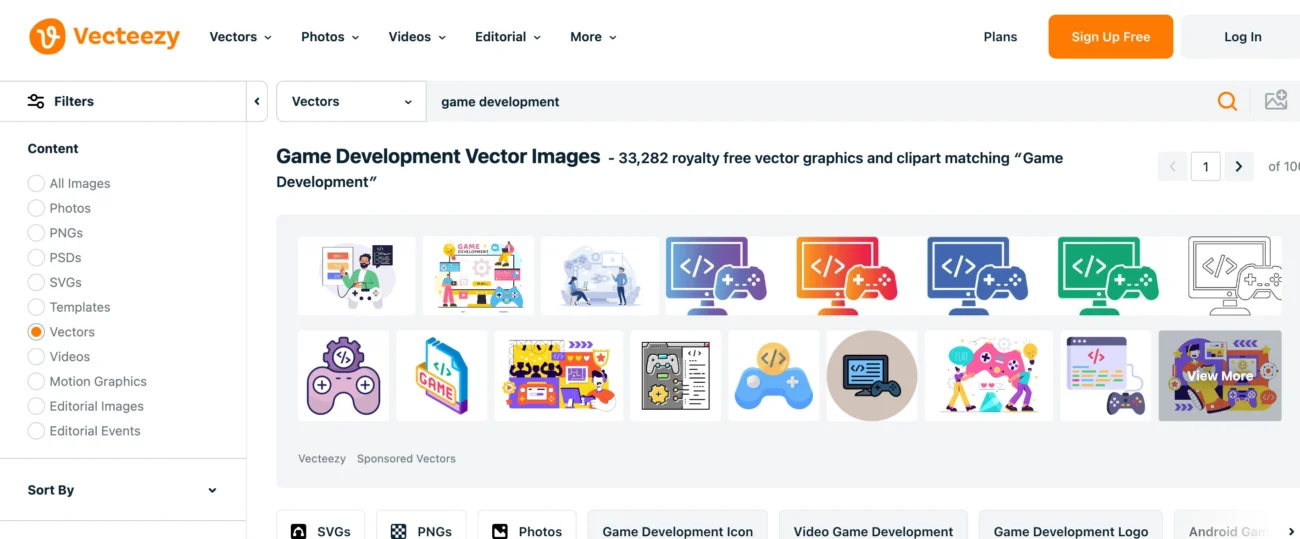
Vecteezy is often used by developers who need a mix of affordability and variety. It offers stock photos, editorial images (sports, news and entertainment) vectors, and videos, which can be useful across different stages of game development, from early mockups to marketing materials.
One practical advantage is the availability of both free and paid assets with relatively clear licensing tiers. For indie developers or small teams, that flexibility can make it easier to experiment without committing to high upfront costs.
That said, like most stock platforms, assets may not always feel unique, so developers often need to modify or combine visuals to fit a specific game style.
2. Shutterstock
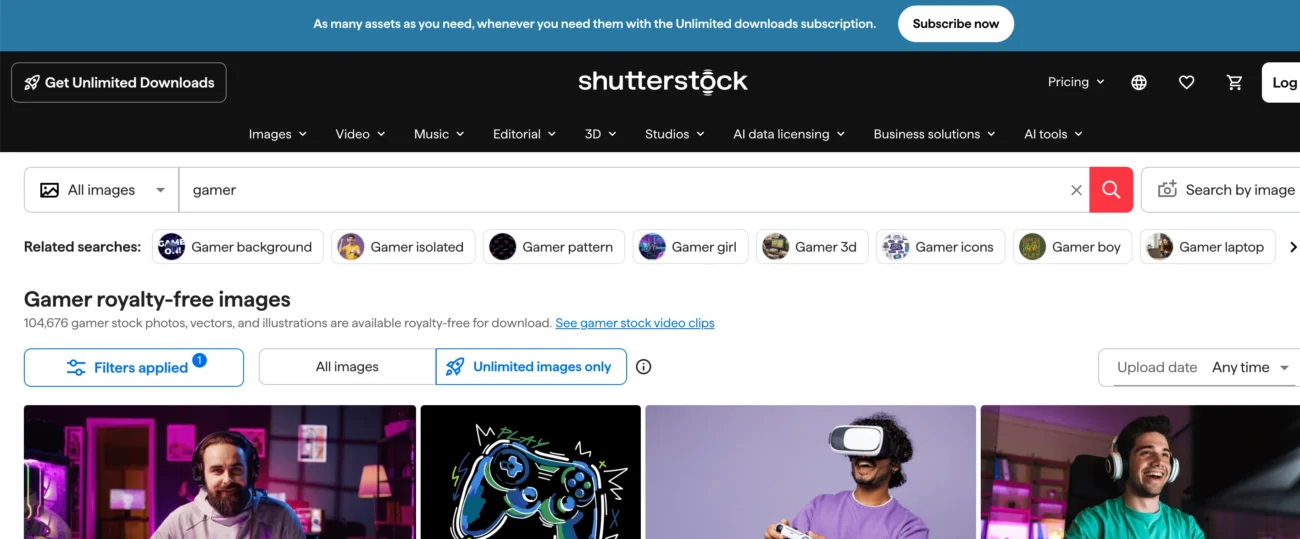
Shutterstock is one of the largest stock libraries available, offering millions of images, textures, and illustrations. For game developers, it’s particularly useful for:
- UI mockups
- Background textures
- Marketing creatives
Its strength lies in sheer volume and search functionality. However, the subscription model can become expensive over time, especially for smaller teams.
3. Adobe Stock
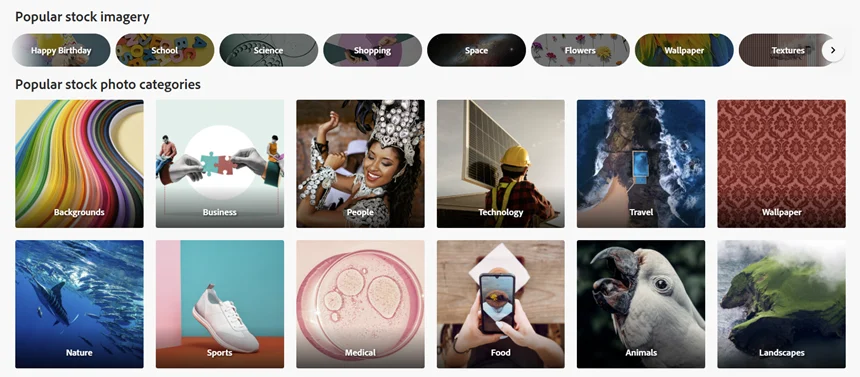
Adobe Stock integrates directly with tools like Photoshop and Illustrator, which many game artists already use. This makes it convenient for rapid iteration, developers can test assets directly within their workflow.
The platform is known for higher-quality, curated content, which can be useful for polished marketing visuals or pitch decks.
The tradeoff is cost, as premium assets can add up quickly depending on usage.
4. Getty Images
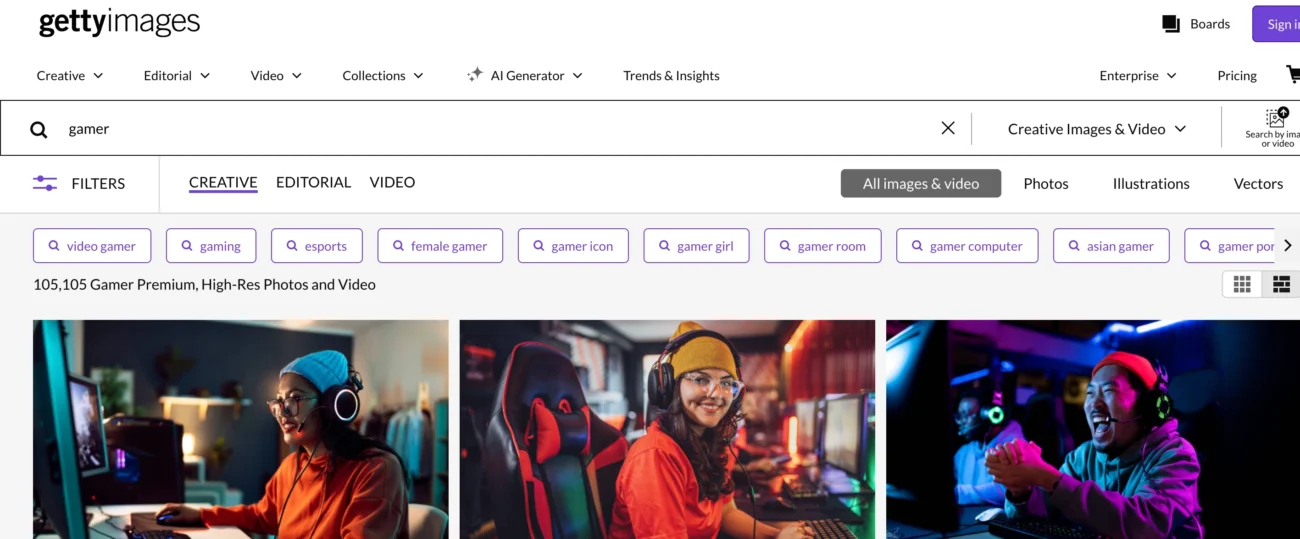
Getty Images is typically associated with editorial and high-end commercial content. While it’s not always the first choice for in-game assets, it can be valuable for:
- Realistic reference images
- Promotional campaigns
- Cinematic inspiration
Because of its pricing and licensing restrictions, it’s more commonly used by larger studios or for external-facing content rather than in-game integration.
5. Alamy
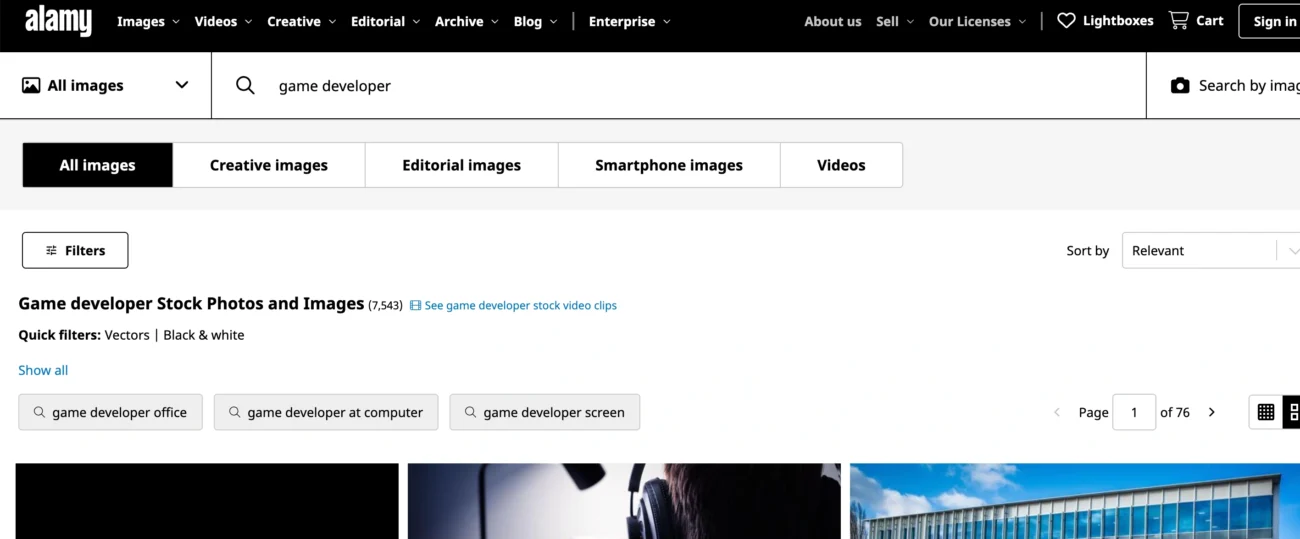
Alamy offers a broad range of unique and less conventional images. For game developers working on realistic or historically inspired environments, it can be a useful source of reference material.
Its library often includes images that feel less “stock-like,” which can help when building more immersive worlds.
However, like Getty, licensing terms need to be reviewed carefully, especially for commercial use in games.
6. Unsplash
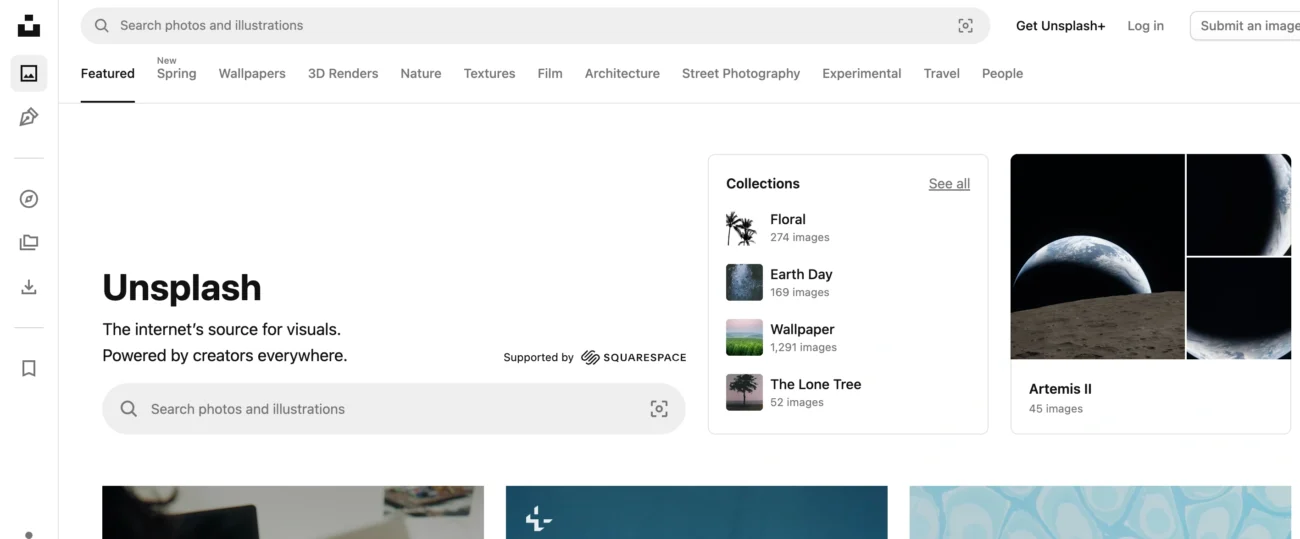
Unsplash is a popular free option, particularly for indie developers and prototypes. It provides high-resolution images that can be used for:
- Concept art references
- Placeholder assets
- Early-stage UI or menu designs
The main limitation is that, because it’s free, many images are widely used across the internet, which can reduce originality.
How Game Developers Typically Use Stock Images
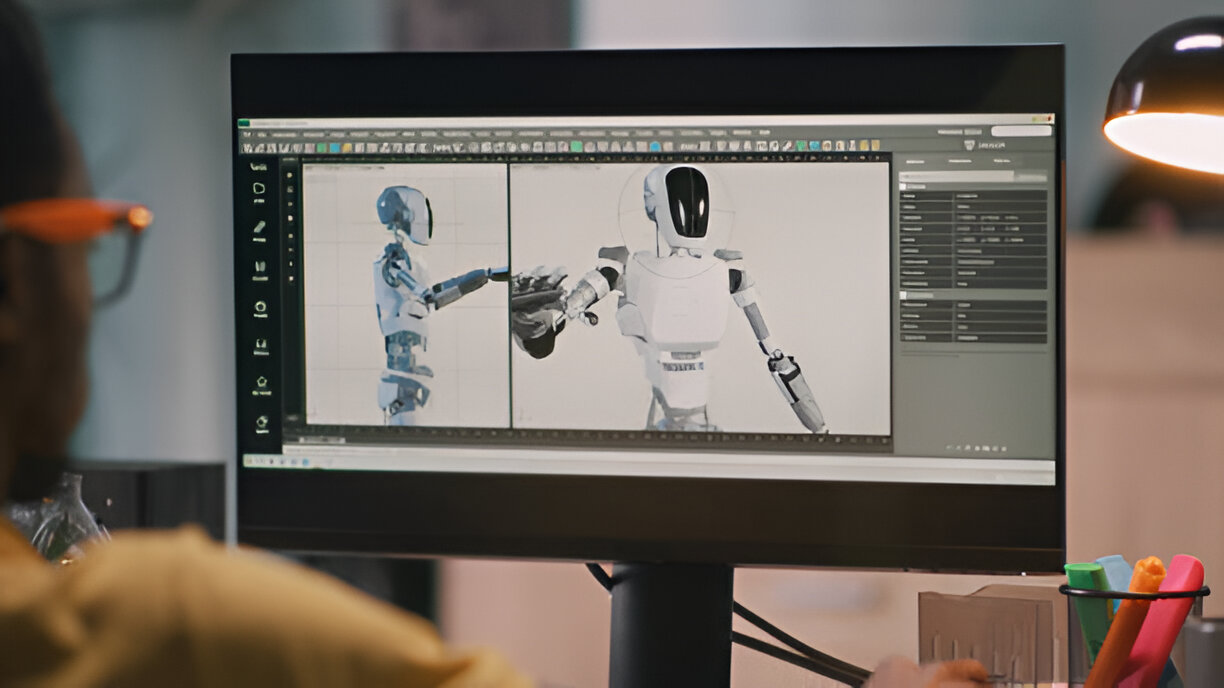
Stock platforms aren’t usually a replacement for custom game art, but they serve important roles throughout development:
- Concepting and prototyping: Quickly visualizing ideas before committing to custom assets
- Texture sourcing: Using photos as a base for materials like wood, metal, or terrain
- Marketing: Creating store pages, ads, and promotional banners
- Reference gathering: Studying lighting, environments, and real-world details
In most cases, developers adapt or transform stock assets rather than using them as-is.
Considerations When Choosing a Platform

Not all stock platforms are equally suited for game development. Here are a few things to keep in mind:
- Licensing: Ensure assets can be used in interactive media like games
- Exclusivity: Widely used images may reduce visual uniqueness
- File quality: High-resolution assets are essential for textures and large displays
- Cost structure: Subscriptions vs. pay-per-download can impact long-term budgets
The Stand Outs
Stock photo platforms have become a practical part of modern game development workflows. While they won’t replace original art, they can significantly speed up production, support creative exploration, and enhance marketing efforts.
Platforms like Vecteezy, Shutterstock, and Adobe Stock each serve different needs, from budget-friendly experimentation to high-end production assets.
For developers, the key is not just where you source images, but how you use and transform them to fit your game’s unique visual identity.