
Blog
CS2 Skin Trading Fees Compared 2026 Save Money on Every Swap

Trading skins in Counter-Strike 2 is exciting for many players. Some trade to upgrade their weapons, some flip skins for profit, and others want to cash out after a lucky case opening. No matter your goal, one thing affects everyone the same way. Trading fees slowly reduce your total value.
In 2026, millions of skin trades happen daily, and the total market value is in the billions. Because of this huge activity, even small hidden fees can remove a large part of your profit over time. What looks like a good deal at first may actually cost much more after spreads, commissions, and payment charges.
The smart approach is to check the actual final cost rather than relying on the official fee shown on a website. Major platforms like SkinsMonkey, DMarket, Skinport, CS.MONEY, and Tradeit.gg all work differently, so understanding their real costs helps you keep more money from every trade.
Why Trading Fees Matter More Than Most Players Think
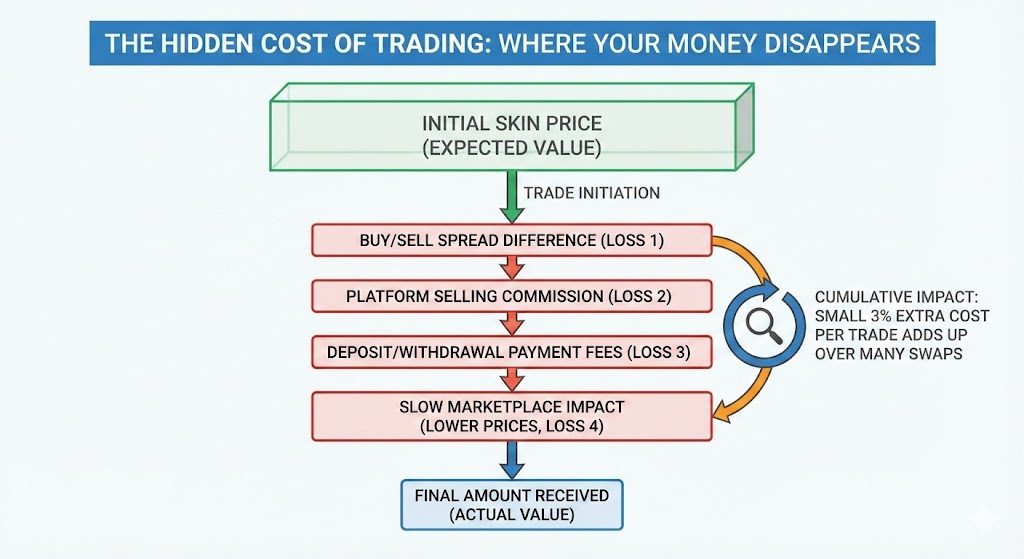
At first, many players only check the skin price and ignore the hidden costs. The problem is that the final amount you receive is often much lower than expected. This happens because multiple small charges are applied during the trading process.
To understand where money disappears, remember that losses usually come from:
- The difference between the buy and sell prices
- The platform selling commission
- deposit or withdrawal payment fees
- slow marketplaces forcing you to accept lower prices
Even a small 3 percent extra cost per trade can add up to a large amount after many swaps.
Types of Fees in CS2 Skin Trading
Different platforms charge differently. Instead of a single fee, most trades combine several small costs.
The most common trading costs include:
- Spread, which is the hidden price gap between what the bot pays and what it sells for
- The commission, which is the official percentage charged when selling skins
- Deposit fees, which may appear when adding funds with a card or PayPal
- Withdrawal fees, which reduce the amount when cashing out
- Bonuses, which sometimes add extra trading balance and lower your real cost
Understanding these parts helps you predict the true value when you trade CS2 skins, so you can click confirm with confidence.
Platform Fee Overview for 2026
Every trading site tries to balance speed, safety, and pricing. Some platforms focus on fast, instant bots, while others focus on marketplace selling with lower direct spreads but slower transactions.
Here is a simple explanation of how the major platforms usually behave.
SkinsMonkey
This platform focuses mainly on instant bot trading and deposit bonuses. The official spread may look high at first, but the large bonus often reduces the real trading cost for users who deposit funds before swapping.
Typical conditions include:
- spreads often around 5 to 10 percent
- deposit bonus sometimes up to 35 percent
- trades are usually completed in about one minute
- Crypto deposits are often free
- Withdrawals normally take one or two days
Because of the bonus system, the real cost for many users is closer to 2-5 percent.
DMarket
This platform works more like a marketplace where users sell items to other buyers. Because of this structure, the spreads are usually smaller, but the selling process can take longer depending on demand.
Typical conditions include:
- The selling commission is often between 2 and 7 percent
- deposits may cost around 2.5 percent
- selling speed can range from one hour to one day
- Withdrawals available via bank or crypto
This makes it useful for traders who handle many skins and do not need instant swaps.
Skinport
This site focuses heavily on security and marketplace selling instead of bot swapping. Buyers often pay nothing, but sellers pay the main commission.
Typical conditions include:
- Buyers usually pay zero fee
- Sellers often pay around 8 percent or less for expensive skins
- deposits normally free
- Payouts are usually processed weekly
It is often preferred by users who want safe, direct selling rather than fast trading.
CS.MONEY
This platform is well known for balanced pricing and fast automated trading. It usually sits in the middle range for fees and speed.
Typical conditions include:
- The commission is often around 3 to 5 percent
- trades are usually completed within 30 to 90 seconds
- Deposits may include small payment fees
- Crypto withdrawals are normally fast
This makes it popular for players who want stable prices and quick trades.
Tradeit.gg
This platform also uses bot trading and sometimes runs promotional codes. Without promotions, the combined deposit, selling, and withdrawal fees can be slightly higher than competitors’.
Typical conditions include:
- seller fee around 7 percent
- The deposit costs about 3 percent
- Withdrawal costs about 5 percent
- trade speed usually one to three minutes
Promo codes can reduce the total cost if used at the right time.
How Bonuses and Spreads Really Affect Your Profit
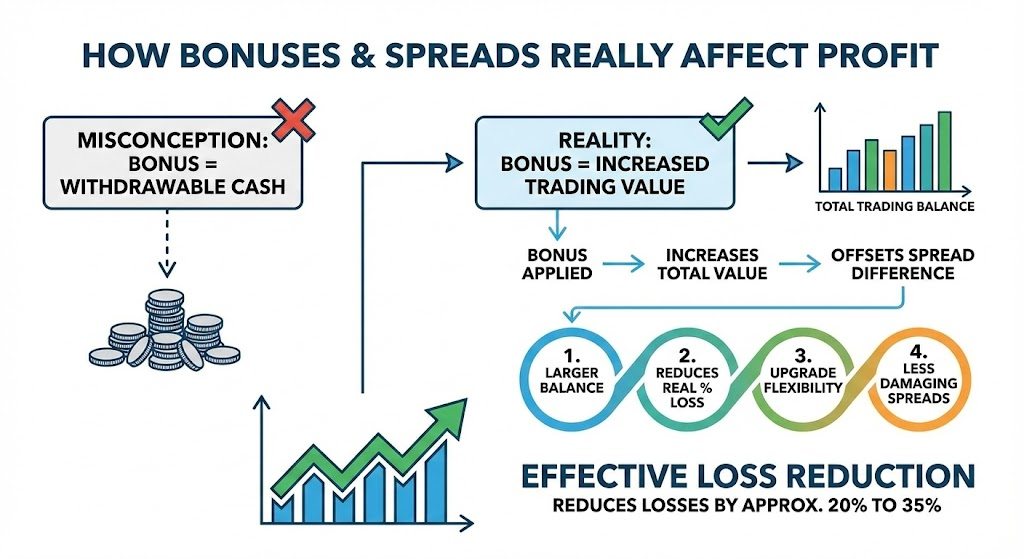
Many beginners misunderstand how deposit bonuses work. A bonus does not give you withdrawable money, but it increases the total value you can trade with. This extra value helps offset the spread difference during swaps.
In practical terms, bonuses help by:
- increasing your total trading balance
- Reducing the real percentage lost in swaps
- Giving more flexibility for upgrading skins
- making high spread trades less damaging
When used correctly, a strong bonus can reduce effective trading losses by around 20 to 35 percent.
Simple Ways to Save Money on Every Skin Swap
Saving money in CS2 trading does not require special tricks. It mostly depends on careful habits and checking details before confirming trades.
The most reliable methods include:
- using crypto payments when available to avoid card fees
- checking skin prices on tracking tools before swapping
- Comparing at least two platforms before large trades
- using bonuses mainly for upgrades instead of withdrawals
- avoiding rushed selling during sudden price drops
These small habits alone often save more money than switching platforms.
Final Thoughts
CS2 trading fees in 2026 are usually between 5 and 12 percent in real-world situations. However, players who understand spreads, bonuses, and payment methods often reduce their losses to around 2-5 percent.
The difference between losing money and making a profit is rarely about luck. It comes from understanding how trading platforms actually charge users behind the scenes.
Trade carefully, check the real value, and always calculate what you receive before accepting any swap.