
Blog
Here’s the Real State of Mobile Gaming Ads

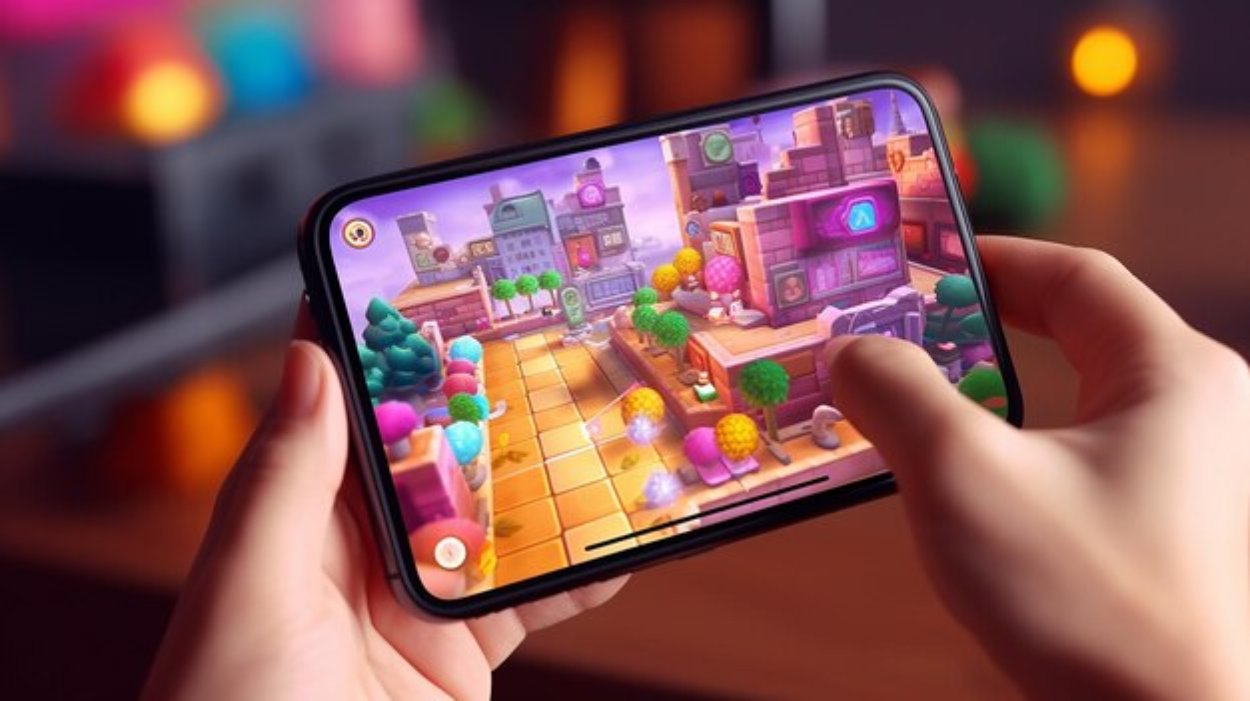
Most say that mobile gaming is an “untapped” advertising market.
On paper, the logic is easy to follow. Mobile games command long attention spans, repeated daily sessions, and a global audience that cuts across age groups and regions. Few digital channels can match that level of consistency.
Yet for players, the idea of mobile gaming being an untapped marketing space holds no truth. Ads are already deeply embedded in the experience. This contradiction sits at the center of the debate.
Mobile gaming advertising is not lacking in exposure or scale. What it lacks, increasingly, is refinement. We should not ask whether the market is untapped, but whether it has been fully optimized.
A Market That’s Already Saturated
By most practical measures, mobile gaming is one of the most ad-saturated environments in digital media. Interstitial videos, rewarded ads, playable previews, and cross-promotion banners are standard features across free-to-play titles.
Players encounter ads within minutes of installing a game, and developers rely on them as a core revenue stream rather than a secondary option.
Because of this, calling the space “untapped” in terms of reach is misleading. The ads already have infrastructure, an audience, and advertiser demand remains strong.
What’s missing is efficiency with how ads are placed, how often they appear, and how well they align with actual player behavior.
In many cases, volume has outpaced thoughtfulness.
What “Untapped” Really Means to the Industry
When advertisers and analysts refer to mobile gaming ads as untapped, they are rarely talking about raw audience size. Instead, they are pointing to unrealized value.
Several areas remain underdeveloped:
- Interactive and playable formats that accurately represent gameplay
- Context-aware placements that respond to session length, genre, or player intent
- Brand advertising that looks beyond short-term installs and cost-per-click metrics
Most campaigns remain performance-driven, optimized for speed rather than longevity. While this approach delivers measurable results, it also leads to creative repetition and player fatigue.
The ad intelligence tools for deeper respectful integration already exist, but adoption has been uneven. As a result, the market feels repetitive, not depleted.
Player Acceptance and Where It Breaks Down

Players generally accept ads as part of the free-to-play model, but that acceptance comes with conditions. Timing, frequency, and relevance matter far more than sheer ad volume.
In games like Tongits, where ads are typically confined to lobbies or between rounds rather than active play, players develop clear expectations about when interruptions are acceptable.
When ads cross those boundaries through forced interruptions, excessive repetition, or misleading creatives, frustration rises quickly.
This distinction explains why some games maintain healthy engagement despite heavy ad use, while others see rapid churn. The issue isn’t advertising itself, but a failure to align ads with natural pauses in play.
Trust as the Real Bottleneck
Trust has quietly become the most significant constraint in mobile gaming advertising.
Misrepresented gameplay, exaggerated rewards, and aggressive formats have weakened player confidence over time. Once trust erodes, retention drops, session lengths shrink, and the value of ad inventory declines.
Regulators and platform holders have begun paying closer attention, particularly around misleading creatives and ads shown to younger audiences.
These shifts point toward an apparent reality: maintaining player trust is no longer optional. It directly affects both long-term monetization and advertiser confidence.
Where the Remaining Upside Lies
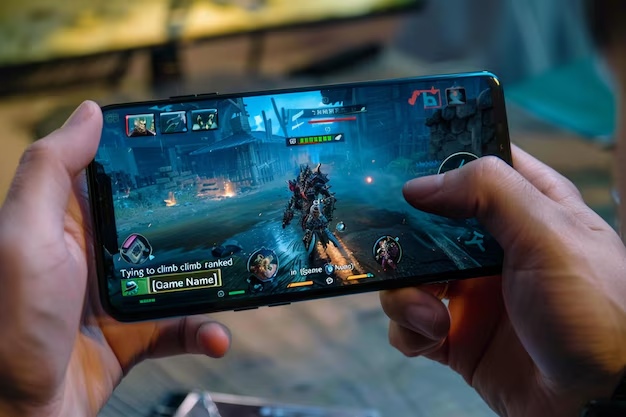
The future of mobile gaming advertising doesn’t lie in increasing ad load. Instead, it lies in improving execution.
Meaningful upside exists in:
- Honest, gameplay-accurate creative that sets correct expectations
- More innovative personalization focused on relevance rather than volume
- Viewing ads as part of the game ecosystem, not an external interruption
Emerging markets, often cited for their scale, also present an opportunity to experiment with higher-quality ad models rather than simply lower-cost inventory.
The same audiences that tolerate ads today are likely to reward better-designed experiences with more extended engagement.
So is it truly untapped?
Mobile gaming advertising is not an untapped frontier. It is a mature ecosystem that has yet to realize its potential fully.
The remaining opportunity lies in optimization with better formats, better placement, and better alignment with how people actually play. As the industry moves away from scale-first thinking toward experience-driven execution, the conversation will likely shift.
The focus will no longer be on quantity but on the quality of what they can show them.